





The Low-Risk Economics of Nostalgia
At its core, the re-release trend is a smart financial move for theatre owners. In weeks when there are no major new films, or when new content fails to draw crowds, bringing back a beloved classic is a low-risk way to fill seats. Exhibitors face a constant
need for content to keep screens running and audiences engaged. Old hits provide a reliable stream of revenue with minimal additional costs. Unlike new films, which require massive marketing budgets, these classics already have a built-in audience and brand recognition. The films are readily available from distributors, making it an easy and efficient way to ensure a steady flow of content and income from tickets and concessions.
A Big Screen Debut for a New Generation
For many Gen Z viewers, iconic films of the 90s and 2000s were discovered on laptops or TV screens. The theatrical re-release offers them a chance to experience these movies as they were intended: on the big screen, with a crowd. Social media plays a significant role, as scenes and songs from films like 'Yeh Jawaani Hai Deewani' become viral through reels and edits, sparking curiosity among younger audiences. This trend bridges a generational gap, allowing a new set of fans to participate in the cultural moments that defined a previous era. It transforms a solo streaming session into a communal event, complete with cheering and singalongs.
More Than a Movie, It's an Event
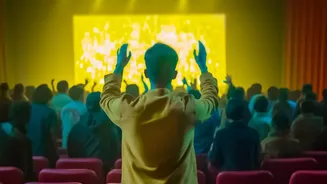
The success of re-releases proves that audiences are willing to pay for a theatrical experience, even when the film is available on streaming platforms. Screenings of films like 'Jab We Met' have seen houseful shows, with fans dancing in the aisles and reciting famous dialogues. This phenomenon turns a simple movie screening into a fan-centric event. Theatres capitalize on this by timing releases around special occasions, such as Valentine's Week, or an actor's birthday. These events are less about watching a film and more about reliving a shared memory with a community of fellow fans, creating an experience that OTT platforms cannot replicate.
A Strategic Marketing Tool
Beyond immediate ticket sales, re-releases serve a powerful strategic purpose. They can be used to generate buzz for an upcoming sequel or to celebrate a film's anniversary. For instance, the phenomenal success of 'Tumbbad' upon its re-release has reportedly greenlit a sequel, proving audience demand. Similarly, re-releasing a director's past works as a retrospective or celebrating a star's career milestone keeps their brand relevant and connects with fans on a deeper level. This strategy keeps iconic characters and stories in the cultural conversation, paving the way for future franchise instalments or related projects.
A Symptom of a Deeper Issue?
While the trend is largely celebrated, some industry insiders offer a more critical perspective. They suggest that the heavy reliance on past hits could indicate a lack of confidence in new scripts or a struggle to produce compelling original content that resonates with today's audience. Some filmmakers argue that theatres are in "desperate times" and using re-releases as filler content during a dry spell for new blockbusters. While the nostalgia model is currently working, there are concerns that overusing this strategy could diminish its special appeal. The challenge for Bollywood is to balance this successful formula with the creation of new classics for the next generation.