






What is a Personal Loan?
A personal loan is a traditional form of credit where a bank or an NBFC gives you a lump-sum amount of money. You repay this amount in fixed monthly instalments (EMIs) over a predetermined period, known as the tenure, which can range from one to five
years or more. The interest rate is clearly stated, and you know the exact cost of borrowing from the start. These loans are unsecured, meaning you don’t need to provide any collateral like gold or property. They are best suited for large, planned expenses like a wedding, home renovation, or a medical emergency, with loan amounts often ranging from ₹50,000 to ₹40 lakh.
What is Buy-Now-Pay-Later (BNPL)?
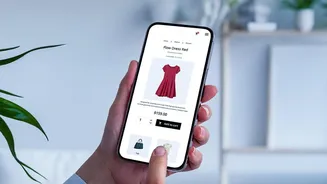
Buy-Now-Pay-Later is a type of short-term financing offered directly at the point of sale, both online and offline. It allows you to purchase something immediately and pay for it later, typically in interest-free instalments over a short period (e.g., 15-30 days or in three monthly payments). The approval is almost instant, with minimal documentation required. BNPL is designed for smaller, everyday purchases like ordering food, buying clothes, or booking tickets. The credit limit is usually lower than a personal loan, often capping out around ₹50,000 or ₹1,00,000.
The Real Cost: Interest vs. Hidden Fees
Personal loans come with a clear interest rate, which in India can range from around 10% to over 24% per annum, depending on your credit score and income. While this seems high, the cost is transparent. BNPL, on the other hand, often advertises "no-cost EMI" or "0% interest". This is true only if you pay on time. If you miss a payment, you can be hit with significant late fees and penalty interest that can sometimes be as high as 30-40% annually. Many users get caught by these charges, turning a supposedly free service into an expensive one.
How They Affect Your CIBIL Score
Both personal loans and BNPL can impact your credit score. Every on-time personal loan EMI payment helps build a positive credit history, improving your score over time. BNPL's effect is more complex. While many providers now report to credit bureaus, some may not report on-time payments, only defaults. A missed BNPL payment, even a small one, can be reported as a default and lower your score. Furthermore, using multiple BNPL services simultaneously can make you appear 'credit hungry' to lenders, potentially causing a temporary dip in your score.
The Debt Trap: A Tale of Two Borrows
The path to a debt trap differs for each. With a personal loan, the risk often comes from taking a larger loan than you can afford, leading to EMIs that strain your monthly salary. The fixed payment structure, however, makes budgeting more predictable. The BNPL debt trap is more subtle. It encourages small, impulsive purchases. It's easy to lose track when juggling balances across multiple apps. A ₹2,000 purchase here and a ₹3,000 purchase there can quickly add up to a significant amount, consuming a large chunk of your salary and leading to missed payments and spiralling late fees.
So, Which One Should You Choose?
The right choice depends entirely on your needs. A personal loan is the smarter option for large, planned expenses where you need a significant amount of cash upfront and a structured, longer repayment period. It's a tool for major life events. BNPL is best for small, manageable purchases when you need a little flexibility but are confident you can pay the amount back in full very quickly, usually within a month or two. Think of it as a convenience for your daily spending, not a solution for major financial needs.