


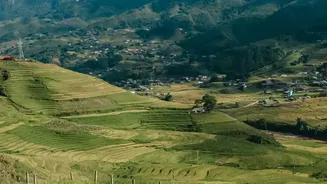
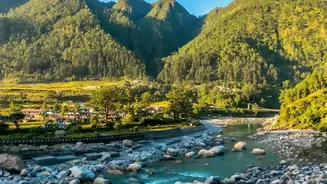
Arunachal Pradesh, the 'Land of the Dawn-Lit Mountains', is a dream for many travellers. But what if you could experience its magic without the peak-season crowds and costs? The secret lies in timing your visit just right.
Understanding Arunachal's Travel Seasons
Every travel destination has
a rhythm, dictated by weather and tourist demand. Arunachal Pradesh is no different. The peak season, typically from October to April, sees the highest influx of visitors. This period offers clear skies, pleasant weather, and major festivals like Losar and the Tawang Festival. However, this popularity comes with a price: higher rates for hotels and transport, and crowded monasteries and viewpoints. The monsoon months of June through August are the off-season, characterized by heavy rains and potential landslides, making travel challenging. Between these two extremes lie the 'shoulder months', a sweet spot for savvy travellers.
When Are the Shoulder Months?
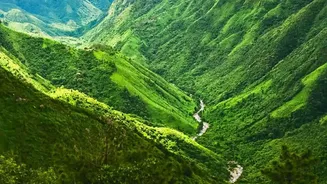
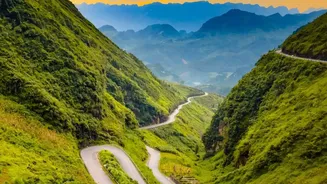
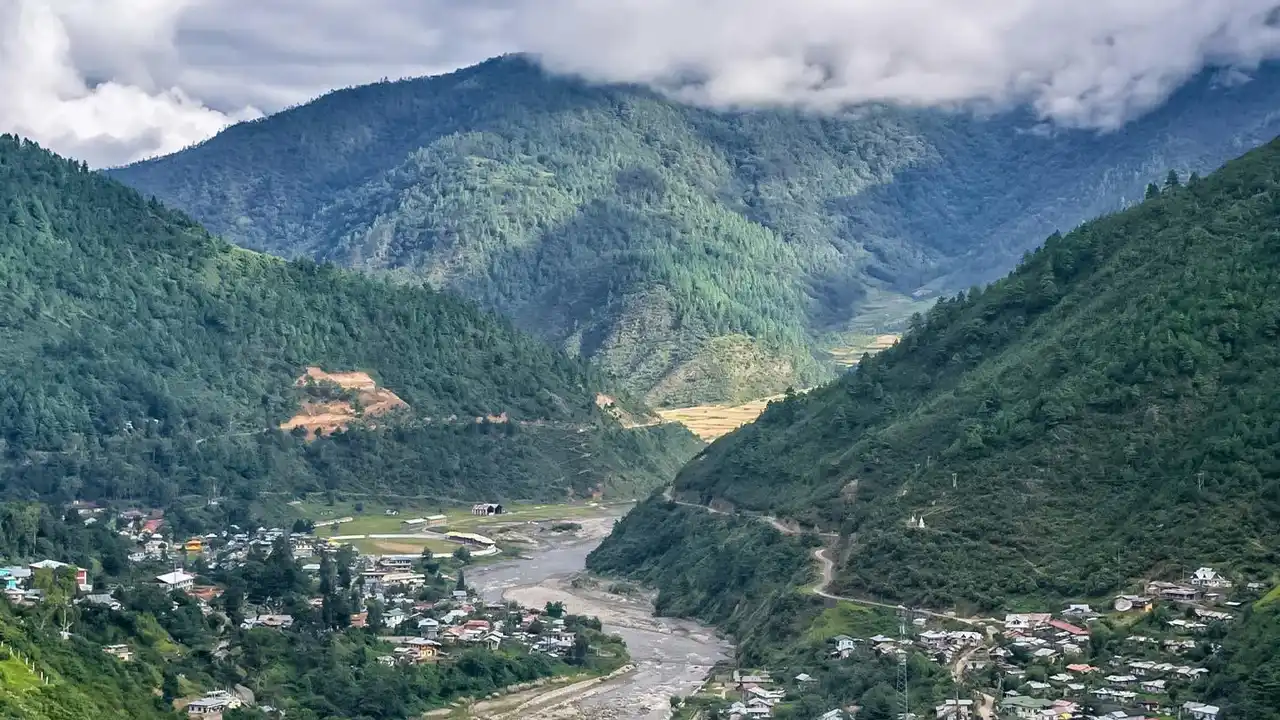
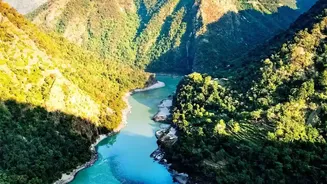
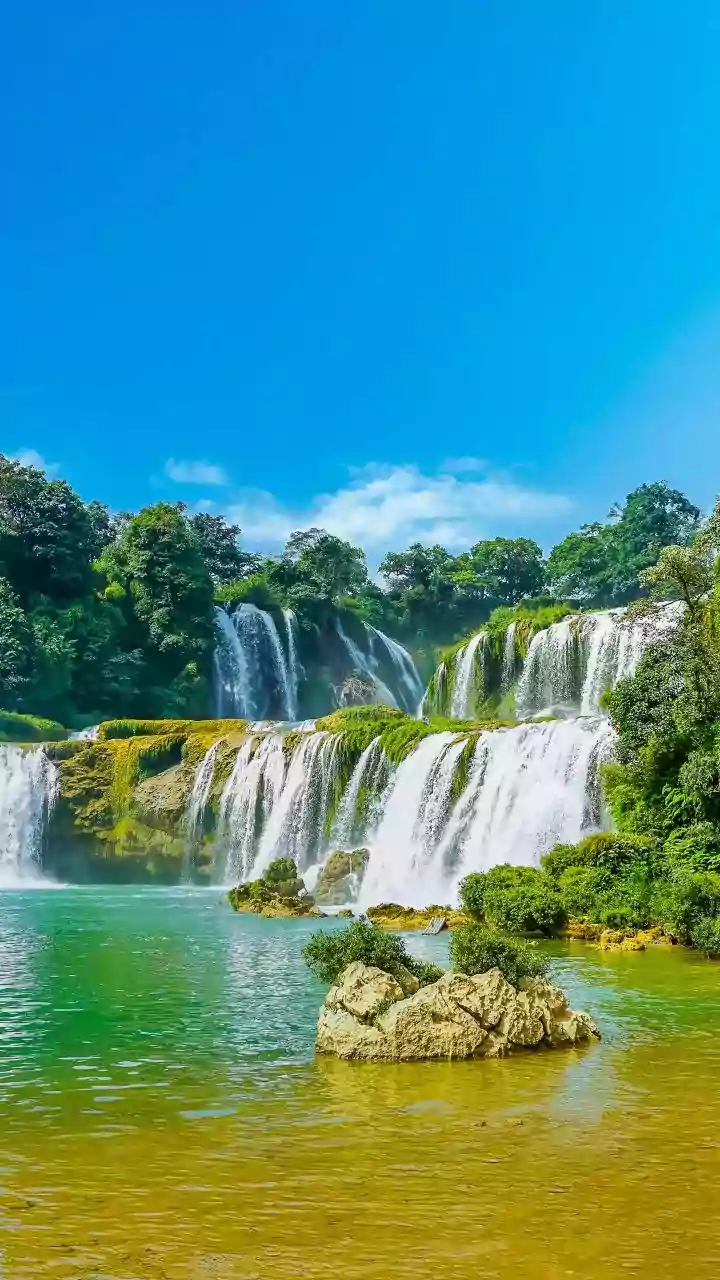
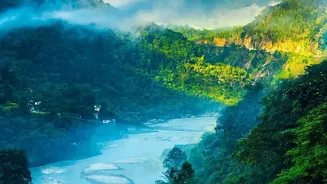
The shoulder season in Arunachal Pradesh falls primarily in two windows: the post-monsoon month of September and the pre-summer months of March and April. Some might also include May and early June. September sees the last of the rains receding, leaving behind incredibly lush, green landscapes and fewer tourists. March and April, on the other hand, mark the arrival of spring. The weather is comfortable, rhododendrons and orchids are in full bloom, and the landscape is vibrant without the extreme cold of deep winter or the intense heat of the plains.
The Primary Benefit: Lower Stay Costs
The core promise of the headline holds true: travelling during these shoulder periods can significantly reduce your accommodation expenses. With lower tourist demand, hotels and homestays are often more willing to offer competitive prices. While peak season sees a surge in rates, especially in popular hubs like Tawang and Ziro, the shoulder months bring them back to a more reasonable level. This applies across the board, from budget-friendly guesthouses to more comfortable mid-range hotels. For example, you might find that a room that commands a premium from October to December is available at a noticeable discount in March or September. This allows your travel budget to stretch further, perhaps enabling a longer stay or an upgrade in comfort.
More Than Just Savings: Other Perks
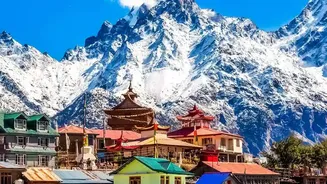
Reduced cost is a major draw, but it’s not the only advantage. Fewer people mean a more intimate and peaceful experience. Imagine exploring the vast Tawang Monastery with only a handful of other visitors, or having the serene landscapes of the Ziro Valley almost to yourself. This relative quiet allows for a deeper connection with the place and its culture. Photographers will appreciate the unique conditions—misty post-monsoon mornings in September or the brilliant floral colours of March—without having to jostle for the perfect shot. Furthermore, securing permits, transport, and preferred accommodation becomes much easier when you are not competing with peak-season crowds.
What to Expect: Weather and Planning
Shoulder season travel requires a bit of flexibility. The weather can be less predictable than during the peak dry season. March and April might see occasional pre-monsoon showers, while September can still have lingering rainfall. Temperatures are generally pleasant, ranging from 10°C to 25°C, but packing layers is always a wise strategy in the mountains. It's crucial to check road conditions before you travel, as some higher passes might still be clearing from winter snow in early spring or be affected by late monsoon effects. Despite these minor uncertainties, the trade-off is often worth it for the blend of good weather, lower costs, and thinner crowds.