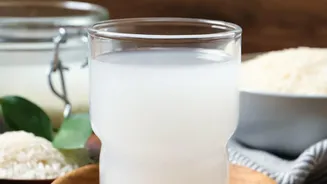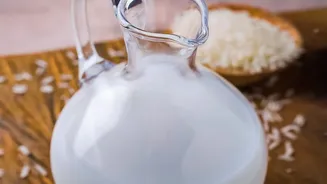




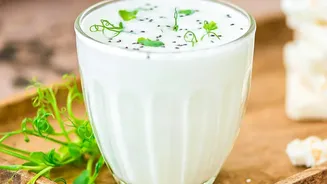
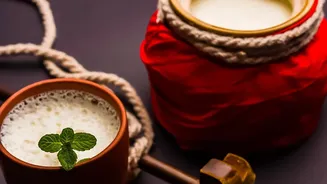
What is Fermented Rice Water?
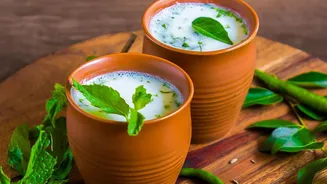
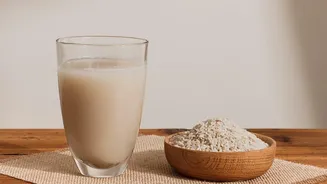
At its core, fermented rice water is a traditional, probiotic beverage with deep roots across India. Known by many regional names—like Pakhala in Odisha, Kanji in parts of the north, Pazhaya Sadam in Tamil Nadu, or Hariya in Jharkhand—the basic concept
is simple. It involves soaking cooked rice in water and allowing it to ferment naturally, typically overnight or for a couple of days. This process transforms the simple rice water into a slightly tangy, refreshing, and nutrient-rich drink. Unlike the sugary, artificially flavoured profile of a commercial soda, fermented rice water offers a subtle, earthy, and mildly sour taste that speaks of its natural origins.
The Gut-Health Obsession
The primary driver behind this switch is the growing focus on wellness, specifically gut health. Young urban consumers are more educated than ever about the impact of diet on their overall well-being. Commercial sodas, often loaded with sugar and high-fructose corn syrup, are increasingly seen as detrimental to health, linked to inflammation and metabolic issues. In contrast, fermented drinks are celebrated for their probiotic content. The natural fermentation process in rice water creates beneficial live microorganisms that can help balance the gut microbiome, aid digestion, and reduce inflammation. For a generation actively seeking “functional foods” that do more than just taste good, a drink that supports digestive health is a clear winner.
A Thirst for Authenticity
This trend is about more than just health; it's a cultural movement. As global trends become more homogenous, there is a powerful counter-movement towards authenticity and rediscovering local traditions. Fermented rice water isn't a new creation from a corporate lab; it's a timeless beverage that has been part of Indian households for centuries, often associated with cooling the body in summer and providing simple, effective nourishment. For young urbanites, choosing a glass of Pakhala or Kanji over a multinational soda brand is a conscious decision to connect with their heritage. It’s a quiet rejection of mass-produced products in favour of something with a story, a sense of place, and a link to the wisdom of their ancestors.
The Artisanal and 'Cool' Factor
Just as craft beer and artisanal coffee captured the imagination of millennials, fermented beverages are becoming the new status symbol for the health-conscious set. The appeal lies in their non-industrial, small-batch nature. Whether it's a homemade brew or a product from a local, niche brand, these drinks offer a unique flavour profile that can't be mass-replicated. Being an early adopter of such trends carries social currency. It signals a sophisticated palate and an alignment with modern values of wellness, sustainability, and cultural appreciation. While some traditional rice-based drinks like Handia or Hariya have long been popular in tribal regions, their modern, non-alcoholic counterparts are now being framed as chic wellness drinks in urban centres.
Beyond the Fizz
The move away from soda is also driven by a changing palate. Many younger consumers are experiencing “bubble fatigue,” actively seeking out non-carbonated options that feel lighter and less bloating. This has fueled the rise of everything from cold coffees to iced teas and, now, traditional fermented drinks. Fermented rice water offers hydration and refreshment without the aggressive fizz and overwhelming sweetness of soda. Its naturally mild tang and cooling properties make it a more soothing and satisfying alternative, especially in India’s warm climate.