




Understanding India's Two Monsoons
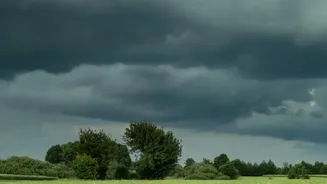
India experiences two main monsoon seasons. The primary one is the Southwest Monsoon, which brings widespread rain to most of the country between June and September. It typically arrives on the Kerala coast around June 1, moves up to Mumbai within about
ten days, and covers most of the country by mid-July. The second is the Northeast Monsoon, often called the retreating monsoon, which occurs from October to December. This system primarily affects the southeastern coast, bringing significant rainfall to states like Tamil Nadu and parts of Andhra Pradesh after the rest of the country has dried out.
Early Monsoon (June – July): South and West India
If you are planning a trip in June or early July, the south and west are where the action is. The monsoon makes its grand entrance in Kerala, where the landscape erupts in fresh greenery, waterfalls are at their peak, and the famous backwaters are rejuvenated. This is also an ideal time for Ayurvedic treatments. Goa and the coast of Maharashtra, including destinations like Lonavala and Mahabaleshwar, also come alive with overflowing dams and verdant hills. However, be prepared for heavy, frequent downpours and high humidity, which can sometimes disrupt travel plans.
Mid-Monsoon (July – August): Central and North India
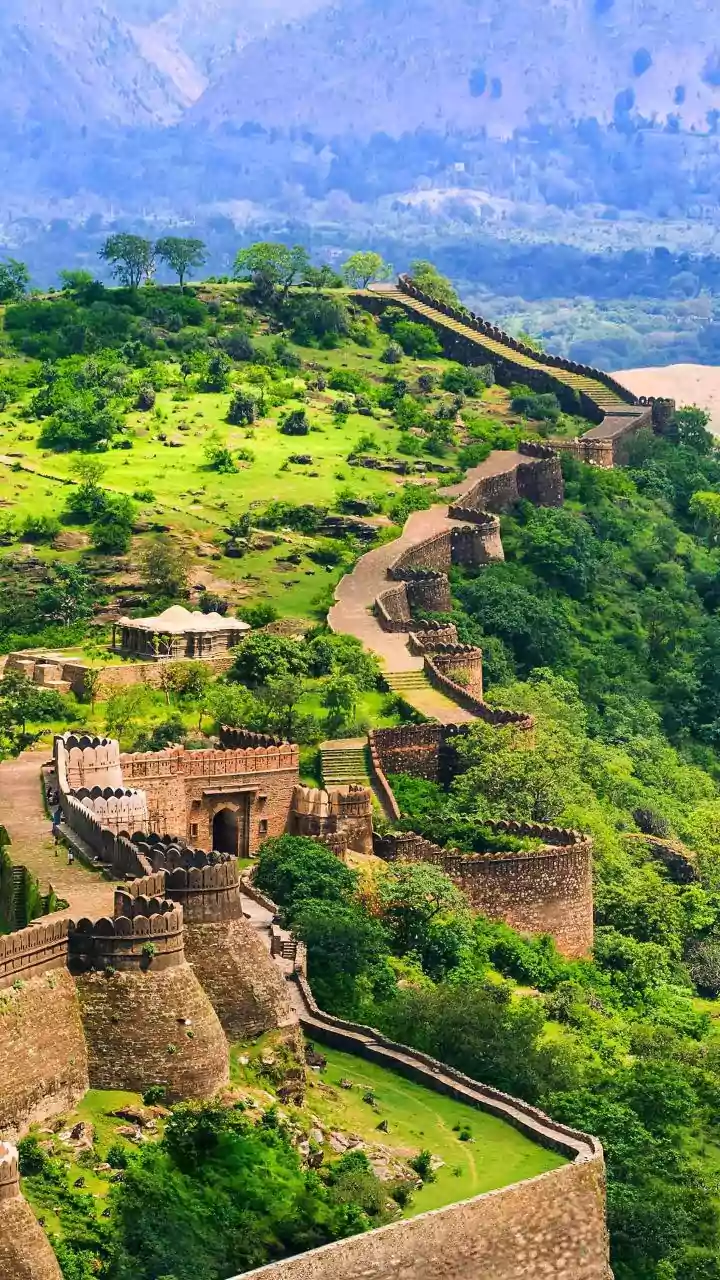
July and August are the peak monsoon months for much of North and Central India. While cities like Delhi and the surrounding plains experience high humidity and regular rain, this is a surprisingly good time to visit parts of Rajasthan. The desert state receives significantly less rainfall than other regions, and the showers that do arrive transform the arid landscape, filling lakes in cities like Udaipur and cooling the air. It's a chance to see iconic palaces and forts without the scorching heat or peak-season crowds. However, many national parks in Central India, like Kanha and Bandhavgarh, remain closed during this period.
The Himalayan Monsoon and Its Exceptions
Traveling to the Himalayas between July and August requires careful planning. Popular hill stations in Uttarakhand and Himachal Pradesh are prone to landslides and flash floods, making travel risky. It's crucial to check weather alerts and local road conditions before and during your trip. However, there are exceptions. The high-altitude desert regions of Ladakh and the Spiti Valley lie in a rain-shadow area, meaning they receive very little rainfall during the monsoon. This makes July and August the perfect time to visit for clear skies, sunny days, and spectacular mountain scenery while the rest of the country is drenched.
Late Monsoon (September): A Month of Transition
September marks the gradual withdrawal of the Southwest Monsoon. The rains begin to taper off across North and West India, leaving behind lush green landscapes, full lakes, and cooler temperatures. This is an excellent month for travel as you get the benefit of the post-monsoon beauty with fewer crowds and less intense rainfall. Destinations in Rajasthan, the Western Ghats, and even parts of the Himalayas become more accessible and pleasant. The rain has washed the dust from the air, making it a beautiful and refreshing time to explore.
The Retreating Monsoon (October – November): Southeast Coast
While most of India enters a dry, pleasant post-monsoon phase in October and November, the weather story is different on the southeastern coast. This period is the peak of the Northeast Monsoon, which brings significant rainfall to Tamil Nadu and coastal Andhra Pradesh. For these regions, this is their primary rainy season, replenishing reservoirs and sustaining agriculture. While it might not be ideal for a beach holiday, it's a unique time to see the region's temples and landscapes in a different light, though you should be mindful of potential cyclones in the Bay of Bengal.