





The Science of Staying Dry
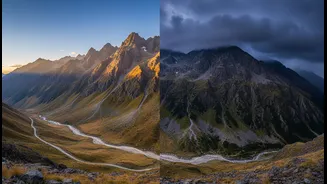
The magic behind these perpetually sunny spots is a phenomenon called the 'rain shadow' effect. It occurs when mountain ranges act as massive barriers to moisture-laden monsoon winds. As these winds, typically coming from the sea, hit a mountain, they
are forced to rise. The air cools as it ascends, releasing all its moisture as heavy rain on the windward side — the side facing the wind. By the time the air crosses over the mountains to the other side, known as the leeward side, it is stripped of its moisture. This descending dry air creates a pocket of arid or semi-arid climate, resulting in a 'shadow' where little to no rain falls. This is why places on one side of a mountain range can be drenched, while those on the other enjoy clear, sunny skies.
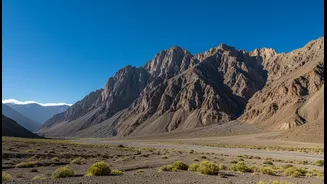
Ladakh: The High-Altitude Desert
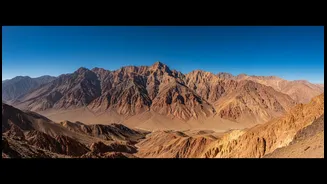
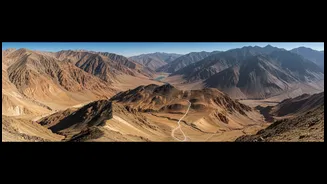
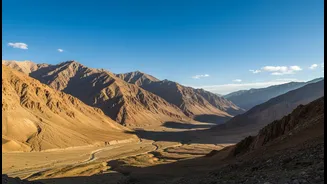
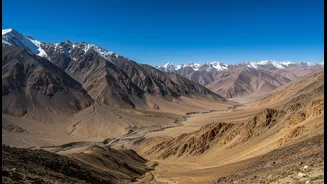
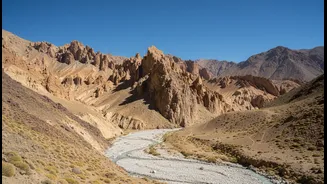
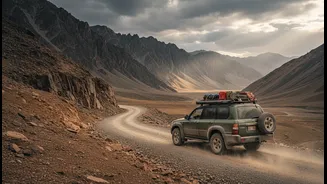
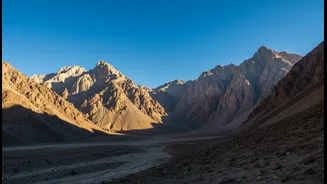
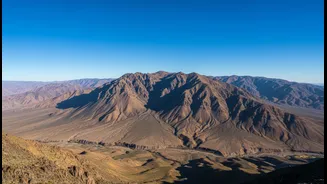
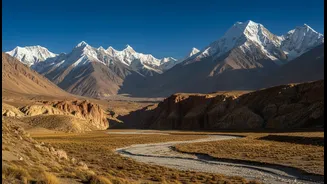
Ladakh is the quintessential rain-shadow destination in India. Shielded by the formidable Himalayas, it receives minimal rainfall during the peak monsoon months of July and August, making it an ideal escape. While the rest of the country navigates slippery roads and grey skies, Ladakh offers warm, pleasant days perfect for exploring its dramatic landscapes, from the shimmering Pangong Tso to the breathtaking Nubra Valley. This season also sees fewer crowds compared to the summer rush, often resulting in more affordable travel and accommodation. Adventure seekers can indulge in white-water rafting on the Indus and Zanskar rivers, where water levels are at their best. However, travellers should be mindful that access roads from Manali and Srinagar can be prone to landslides caused by heavy rains in those regions. Flying directly into Leh is often the safest bet.
Lahaul and Spiti: A Rugged Himalayan Alternative
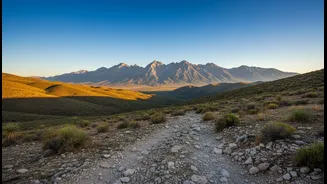
Often described as a world within a world, the valleys of Lahaul and Spiti in Himachal Pradesh are another prime rain-shadow region. Like Ladakh, they are sheltered by the Himalayas and experience very little rainfall, offering a stark, cold-desert landscape of barren mountains, ancient monasteries, and pristine rivers. The monsoon months transform the landscape in subtle but beautiful ways, with alpine wildflowers blooming in high-altitude meadows. It's an excellent time for trekking and visiting iconic sites like the Key Monastery and Chandratal Lake, often with fewer tourists around. Similar to Ladakh, the primary challenge is getting there, as the approach roads, particularly from Manali, can be susceptible to landslides and washouts.
The Other Side of the Ghats
The rain-shadow effect isn't limited to the Himalayas. The Western Ghats, which run parallel to India's west coast, create their own distinct dry zones. As the southwest monsoon winds from the Arabian Sea dump torrential rain on coastal areas like Kerala and Goa, the eastern slopes and the plains beyond remain significantly drier. This region, which includes parts of interior Tamil Nadu and central Maharashtra, offers a different kind of monsoon experience. Cities like Coimbatore and Pune, for instance, receive far less rainfall than their coastal counterparts. This makes it possible to explore the temples, towns, and landscapes of the Deccan Plateau without the constant downpours that characterize the windward side of the Ghats. It’s a perfect option for those looking for a less extreme, more accessible dry-monsoon holiday.
Why the Sudden Popularity?
The growing appeal of rain-shadow destinations is about more than just avoiding rain. It’s a strategic choice for travellers who want to take advantage of the monsoon holiday season without the associated risks of cancelled flights, flooded roads, and washed-out plans. The rise of social media has showcased the stark, unique beauty of these dry landscapes, inspiring a new generation of explorers. Furthermore, improved connectivity, especially flights to Leh, has made these once-remote regions more accessible. As travellers seek more unique and offbeat experiences, the allure of swapping a damp, humid getaway for a sunny, adventurous one has become a winning proposition in India's diverse travel landscape.