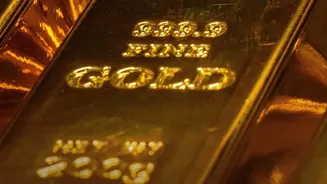







Why Are Gold Prices Falling?
Gold prices in India have seen a consistent decline over the last few days. As of September 2, 2026, 24-carat gold was trading around ₹1,52,020 to ₹1,54,090 per 10 grams, marking a significant drop from previous highs. This downward trend is influenced
by several global and domestic factors. A stronger US dollar makes gold more expensive for holders of other currencies, which can dampen demand. Additionally, expectations of interest rate hikes by central banks like the US Federal Reserve make other investments like bonds more attractive, pulling money away from gold. Geopolitical developments, such as easing tensions in the Middle East, can also reduce gold's appeal as a 'safe-haven' asset. These factors combined create a complex environment that pushes the price of the precious metal down.
The Pitfall of Timing the Market
When prices are falling, the most common question is: “Should I buy now or wait for it to drop further?” While tempting, trying to predict the absolute bottom of the market is nearly impossible and often leads to missed opportunities. Market experts advise that price corrections are normal after a strong rally and can be driven by temporary factors. Rather than waiting for a perfect entry point that may never come, it's more practical to focus on your personal reasons for buying. If the purchase is for a significant event like a wedding or festival, and you have the budget, the current dip offers a good opportunity. Experts suggest that a staggered buying approach, similar to a Systematic Investment Plan (SIP), can be a wise strategy. This involves buying smaller quantities over a period, which helps average out your purchase cost and reduces the risk of buying everything at a high point.
Look Beyond the Gold Rate
The price per gram is just one component of your total bill. When you buy jewellery, several other charges are added. Making charges, or the cost of craftsmanship, can significantly increase the final price and can be quoted as a flat fee or a percentage of the gold value. These charges are not standardised and can vary widely between jewellers, offering room for negotiation. Another cost to consider is wastage charges, which account for the gold lost during the manufacturing process. While many modern techniques minimise waste, this charge persists and can range from 8% to over 18%. Finally, a Goods and Services Tax (GST) is applied to both the value of the gold and the making charges, further adding to the overall cost.
Purity and Hallmarking Are Non-Negotiable
Regardless of the price, the purity of your gold is paramount. In India, gold purity is measured in karats (K), with 24K being 99.9% pure. Most jewellery is made from 22K gold (91.6% purity), often referred to as '916 gold', as pure gold is too soft for intricate designs. To ensure you are getting what you pay for, always look for the Bureau of Indian Standards (BIS) hallmark. A hallmarked piece of jewellery contains three marks: the BIS logo, a number indicating purity (e.g., 22K916), and a six-digit alphanumeric Hallmark Unique Identification (HUID) number that allows for traceability. This certification guarantees the purity of the gold and is a crucial mark of authenticity.
Making an Informed Decision
Deciding when to buy gold jewellery should be a balance between market opportunity and personal need. A falling price presents a favourable window, but your decision shouldn't be based on price alone. Define your budget clearly and understand the purpose of your purchase—is it for daily wear, a special occasion, or as a long-term asset? Compare making charges across different jewellers and don't hesitate to negotiate. Focus on designs you love and will wear, as jewellery's primary value is in its enjoyment. If you find a piece that fits your budget and style during a price dip, it's a good time to buy. Don't let the pursuit of the 'perfect' price lead to regret later.