


Understanding Gold Purity: What 'Karat' Means
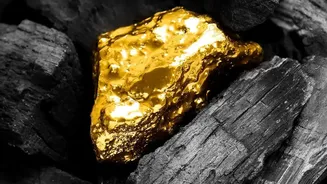
First, let's decode the terminology. The purity of gold is measured in karats (K), on a scale of 24. Therefore, 24K gold is the purest form you can get, containing 99.9% gold. Think of it as pure, unadulterated gold, which gives it a distinct, brilliant
yellow colour. On the other hand, 22K gold consists of 22 parts gold and 2 parts of other metals, making it approximately 91.6% or 91.7% pure gold. These other metals, known as alloys—typically copper, silver, or zinc—are added to enhance the gold's properties.
The Allure and Issue with 24K Gold
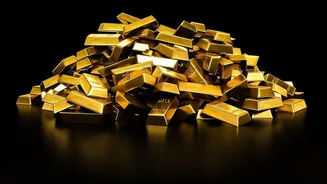
The primary appeal of 24K gold is its purity. It's the most valuable form and is often seen as the best choice for investment purposes, such as in gold bars or coins. Its colour is a deep, rich yellow that is unmatched by lower karats. However, this purity comes at a cost to its practicality for jewellery. Pure gold is extremely soft and malleable. It bends, scratches, and warps very easily, making it unsuitable for items that are worn frequently or are subject to physical contact. A ring made of 24K gold, for example, could lose its shape within a very short period of regular wear.
Why 22K Gold is the Jewellery Standard
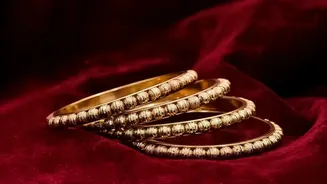
This is where 22K gold shines. The addition of alloy metals makes it significantly harder and more durable than its 24K counterpart. This strength is crucial for jewellery, as it ensures that intricate designs remain intact and that the piece can withstand the rigours of daily life. In India, 22K gold is the preferred choice for most forms of jewellery, from bangles and necklaces to earrings, precisely because it offers a great balance of high purity and necessary strength. This composition allows for detailed craftsmanship while retaining a rich golden hue and substantial value.
Rings, Chains, or Bangles: Making the Right Choice
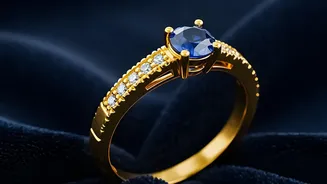
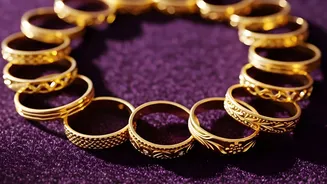
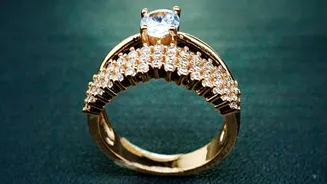
When deciding, consider the type of jewellery. Rings, which are constantly exposed to knocks and friction, absolutely require durability. For this reason, 22K gold is the superior choice for rings. Even 22K is considered somewhat soft for rings intended for very active daily wear, where 18K is often recommended, but it is far more practical than 24K. For chains and bangles, 22K is also the standard and most recommended option. A 24K gold chain is very susceptible to stretching and breaking, and bangles can easily be dented. If a piece of jewellery needs to hold gemstones, the setting must be strong to secure the stones, making 22K gold a necessity over the too-soft 24K alternative.
Considering Cost and Resale Value
Naturally, 24K gold is more expensive per gram than 22K gold due to its higher gold content. When it comes to resale, the value of any gold is primarily determined by its weight and purity. While 24K gold fetches a higher price per gram, jewellery made from it can depreciate faster due to wear and tear, potentially losing weight from friction and scratches over time. 22K gold jewellery, being the standard in markets like India, is widely accepted for resale and exchange. While you will have deductions for making charges on any jewellery, the durable nature of 22K pieces means they are more likely to retain their original weight and condition.