

Croatia’s magnetic coastline draws millions, but its fame means top spots are often overwhelmed. For the independent traveller, the secret to a better trip isn't avoiding Croatia, but exploring it smarter. The key? Its fantastic ferry network.
The Ferry System: Your Key to a Better Croatia
Croatia's
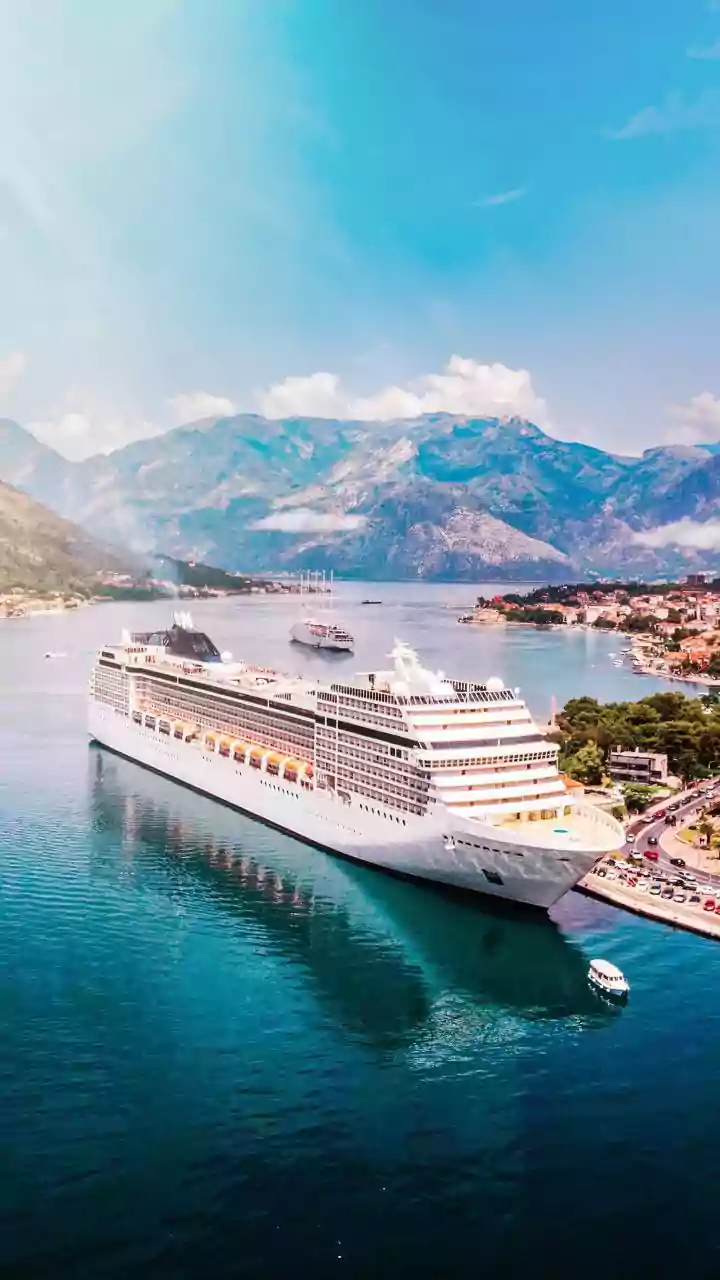
ferry system is the country's lifeblood, connecting the mainland to over a thousand islands. For a traveller, it’s a floating highway to adventure. The two main types are car ferries (trajekti) and faster, passenger-only catamarans. Companies like Jadrolinija, Kapetan Luka (Krilo), and TP-Line operate these routes. While car ferries are slower, they offer smoother rides in rough seas. Catamarans are quicker and often dock right in the heart of pedestrian-friendly island towns, making them perfect for foot passengers. Planning to leave a rental car on the mainland and hop between islands on foot is often the most efficient and affordable strategy. During the peak season of July and August, it is wise to book popular catamaran routes in advance as they can sell out.
Instead of Dubrovnik's Crowds, Try Mljet's Tranquility
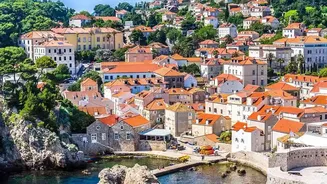
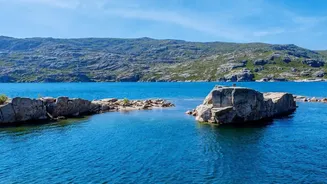
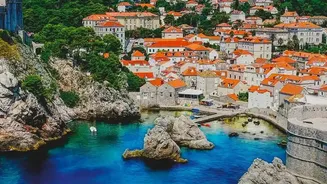
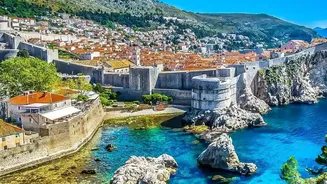
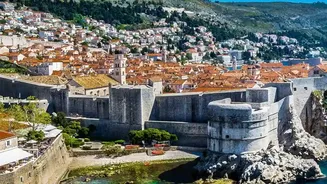
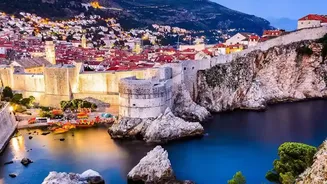
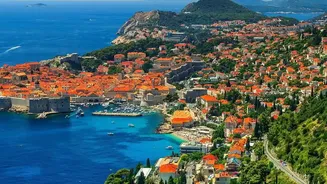
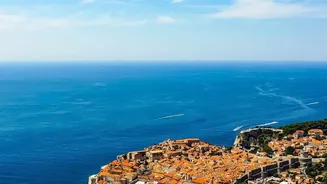
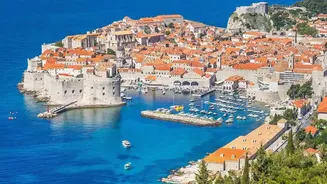
Dubrovnik's medieval walls are breathtaking, but the 'Game of Thrones' effect has led to intense crowds, especially at midday in summer. For a complete change of pace, take a ferry to Mljet, Croatia's greenest island. Roughly a third of the island is a national park, featuring two saltwater lakes, Veliko and Malo Jezero, where you can swim in calm, warm waters. It’s an ideal destination for hiking, cycling, and embracing a slower pace of travel. While you can visit as a day trip from Dubrovnik, spending two or three days allows you to truly explore its natural beauty. Catamarans run from Dubrovnik to the port villages of Polače or Sobra on Mljet, making it easily accessible for those without a car.
Swap Hvar's Party Scene for Vis's Authentic Charm
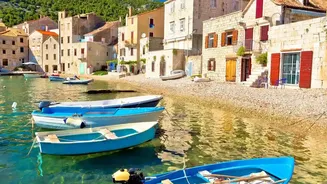
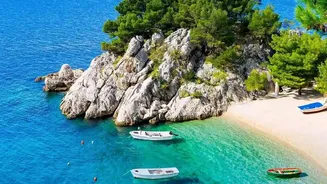
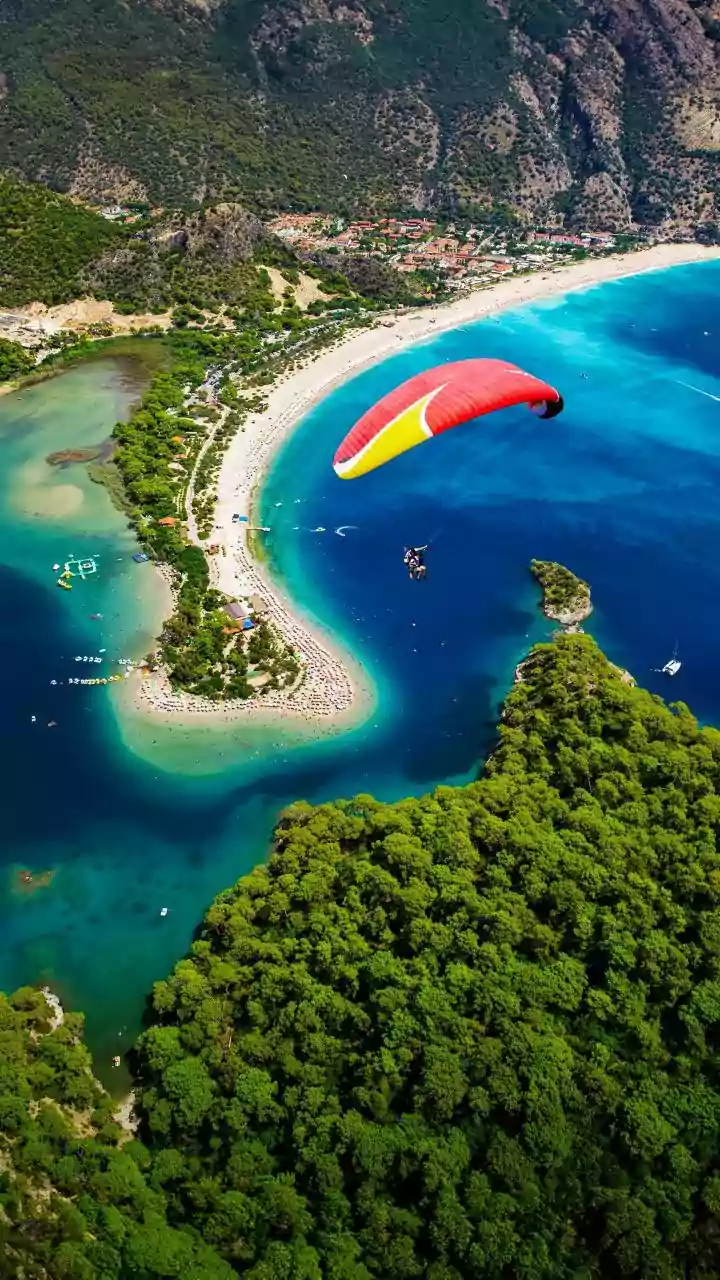
Hvar Town is famous for its glamorous nightlife, but this often comes with high prices and a bustling, sometimes overwhelming, atmosphere. For a more authentic and serene experience, set your sights on Vis. As the farthest inhabited island from the mainland, Vis was a military base and closed to tourists until 1989, which helped preserve its unspoiled character. The island offers a unique blend of untouched nature, secluded beaches like the famous Stiniva Bay, and fascinating history, including abandoned military tunnels. Life here moves at a slower pace. You can reach Vis via a 2 to 2.5-hour ferry or catamaran ride from Split. Its relative remoteness means it's less crowded, even in peak season, offering a peaceful retreat.
Bypass Split's Bustle for Šibenik's Historic Heart
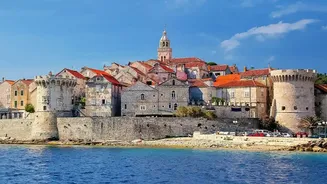
Split is a vibrant, essential hub built around a Roman emperor's palace, but its popular Riva promenade can become intensely crowded. Just an hour up the coast lies Šibenik, a stunning and often overlooked alternative. Unlike many Dalmatian cities founded by Greeks or Romans, Šibenik is a native Croatian town with a steep, medieval old town full of stone stairways. It boasts two UNESCO World Heritage sites: the Cathedral of St. James, built entirely of stone, and the St. Nicholas Fortress. While it has no airport, Šibenik is easily reached by bus from Split or Zadar. It serves as a quieter base for exploring the region, including the nearby Krka National Park, and its ferry port offers connections to smaller, charming islands like Prvić and Zlarin.