



What Are Aerosols, Anyway?
Before we can talk about clouds and rain, we need to understand aerosols. In atmospheric science, an aerosol isn't the spray can under your sink. It's a tiny particle of solid or liquid suspended in the air. These particles are everywhere and come from
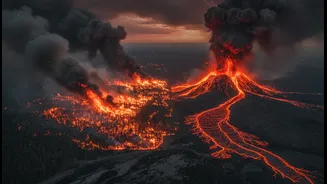
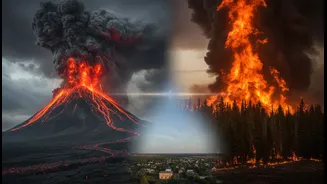
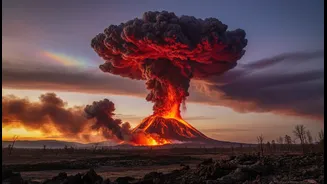
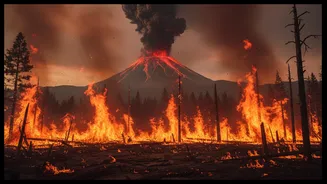
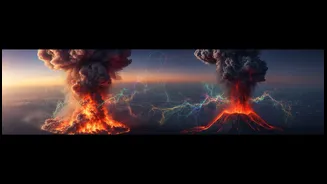
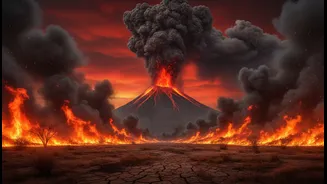
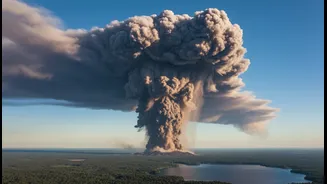
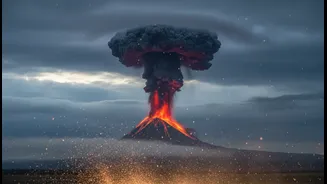
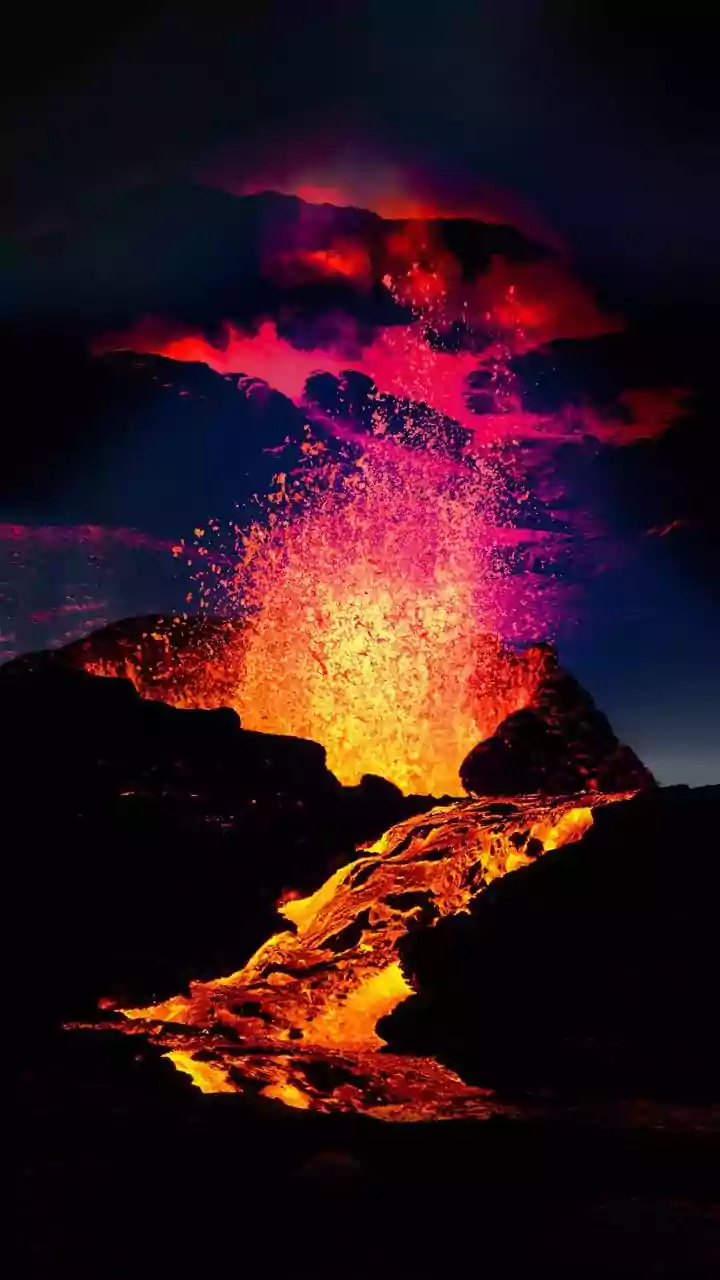
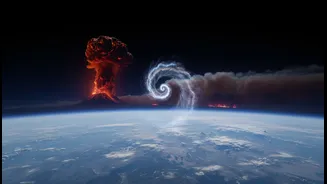
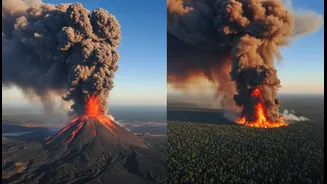
many sources. Natural sources include sea salt lofted by wind, dust from deserts, and pollen from plants. Both wildfires and volcanoes are major natural sources of aerosols, releasing massive plumes of smoke, ash, and gases that form particles into the atmosphere. Wildfire smoke is a mix of particles, including black carbon (soot) and other organic compounds. Volcanoes eject ash and, crucially, sulfur dioxide gas, which reacts in the atmosphere to form sulfate aerosol droplets. These particles are so small and light that they can travel thousands of miles on wind currents, affecting areas far from the original source.
From Smoke and Ash to Rainclouds
Clouds are essentially just collections of water droplets or ice crystals. But that water vapor needs a surface to condense onto. This is where aerosols come in. They act as seeds, known as Cloud Condensation Nuclei (CCN), for cloud droplets to form. Think of it like dew forming on a spiderweb; the web gives the water something to cling to. In the sky, countless aerosol particles provide the surfaces needed for water vapor to gather and create a cloud. Without aerosols, our skies would look very different, and cloud formation would be much more difficult. Therefore, a huge plume of smoke from a wildfire or ash from a volcano is, in effect, a massive delivery of potential cloud seeds into the atmosphere.
More Rain or Less? It’s Complicated
This is where the hype often begins, with claims that these events will cause massive storms or, conversely, devastating droughts. The reality is far more nuanced, and scientists are still working to understand all the variables. On one hand, by adding a huge number of particles to the air, you get a cloud with many more, but much smaller, water droplets. These smaller droplets are less likely to collide, grow, and fall as rain. This can lead to clouds that last longer but produce less precipitation, sometimes even suppressing rainfall. On the other hand, some research shows that certain aerosols, particularly from smoke, can intensify storm clouds and lead to heavier rain under specific conditions. For instance, dark soot particles can absorb sunlight, warming the air around them and changing atmospheric stability, which can influence storm behavior. The type of aerosol, its concentration, the humidity, and the existing weather patterns all play a role, meaning there's no single, simple outcome.
Beyond Rain: Other Weather Effects
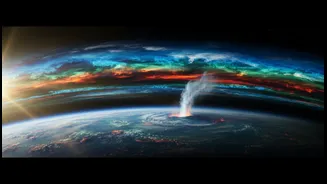
The impact of these aerosols isn't limited to just rainfall. A thick blanket of smoke or volcanic haze can block sunlight, leading to cooler surface temperatures during the day. Famously, the 1991 eruption of Mount Pinatubo injected so much sulfate aerosol into the stratosphere that it caused a measurable drop in global temperatures for about two years. Wildfire smoke can create a similar, though more localized and temporary, cooling effect on the ground. Furthermore, the most intense wildfires can generate their own weather, creating massive, smoke-infused storm clouds called pyrocumulonimbus that can even produce lightning. These powerful clouds can inject smoke particles high into the stratosphere, where they can persist and travel for longer periods.
How to Talk About It Without the Hype
When you see a headline about fires or volcanoes changing the weather, remember the nuance. The key is to avoid definitive, dramatic statements. Instead of saying, “This fire is going to cause a massive drought,” you can say, “The smoke from this fire could affect cloud formation, but its effect on rain is really complex.” The most accurate takeaway is that large aerosol releases influence or modify weather and cloud patterns, rather than creating a predictable disaster. Use phrases that reflect the scientific uncertainty, such as “it can lead to,” “under certain conditions,” and “the effects are complicated.” This approach grounds the conversation in the reality of the science—that aerosol-cloud interactions are a powerful, fascinating, but incredibly intricate part of our Earth's climate system.