








The Tyranny of 'Less'
From Marie Kondo’s life-changing magic of tidying up to the rise of 'clean eating' and digital detoxes, the mantra 'less is more' has become an undeniable cultural force. It promises a calmer, more focused, and meaningful existence if only we could shed
the excess. We’re encouraged to declutter our homes, streamline our schedules, and restrict our diets. The underlying message is simple: subtraction leads to satisfaction. But this relentless pursuit of reduction can create its own form of anxiety. What if you find joy in your collection of books? What if a busy social calendar energises you? The pressure to conform to a minimalist ideal can leave many feeling guilty for simply enjoying the things, foods, and connections that make their lives feel full.
When More Possessions Mean More Joy
While no one advocates for hoarding, psychologists are beginning to question the starkness of minimalist doctrine. Objects can be powerful anchors for memory, identity, and creativity. A home filled with personal mementos, art, and books isn't necessarily 'cluttered'; it's a rich tapestry of a life lived. Research in environmental psychology suggests that sterile, empty spaces can be uninspiring and even depressing. A 'healthy' level of organised complexity—what some might call maximalism—can stimulate the mind and provide comfort. The key isn't the quantity of your possessions, but their quality and meaning to you. The goal shouldn't be to own as little as possible, but to be surrounded by things that you genuinely love and use.
The Backlash Against Restrictive Wellness
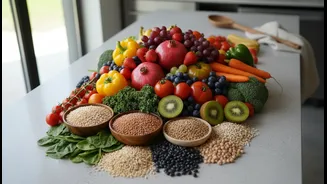
The 'less is more' philosophy is perhaps most pervasive—and potentially harmful—in the world of wellness and nutrition. 'Clean eating' often involves eliminating entire food groups like gluten, dairy, or sugar, promising better health. However, nutritionists and doctors warn that such restrictive diets can backfire spectacularly. Cutting out major food groups without a medical reason can lead to nutrient deficiencies, a fraught relationship with food, and even disordered eating patterns. A growing movement of dietitians now champions an 'all foods fit' or 'intuitive eating' approach. This philosophy argues for 'more'—more variety, more flexibility, and more permission to enjoy food without guilt. True health comes from a balanced, diverse diet, not from a shrinking list of 'acceptable' foods.
Your Social Life and the 'Joy of Missing Out'
In response to burnout culture, the 'Joy of Missing Out' (JOMO) became a celebrated concept. It gave us permission to decline invitations and protect our energy. While setting boundaries is vital, some sociologists worry the pendulum has swung too far. Humans are fundamentally social creatures. A rich network of friends, family, and community ties is one of the strongest predictors of long-term happiness and resilience. While an empty calendar might seem peaceful in the short term, chronic social 'decluttering' can lead to isolation and loneliness. Sometimes, saying 'yes' to that extra coffee date, joining another club, or making time for a friend in need is exactly what your well-being requires. More connections can mean more support, more laughter, and a stronger sense of belonging.
Moving From 'Less' to 'Intentional'
Ultimately, the emerging expert consensus isn't about championing mindless excess over mindful minimalism. It's about shifting the goalpost. The opposite of 'less' isn't necessarily 'more'—it's 'enough'. It’s about being intentional. Instead of asking 'How can I have less?', the better question might be, 'What truly adds value to my life?'. This reframing allows for a more personal, flexible, and forgiving approach to building a life. For one person, that might mean a sparsely decorated apartment and a simple routine. For another, it could mean a home brimming with art, a packed social schedule, and a diet that includes cake. Neither is inherently better; the only thing that matters is that the choice is conscious and brings genuine joy.