






Cardiovascular Health and Endurance
Both running and swimming are champions of cardiovascular fitness, strengthening your heart and improving your body's ability to use oxygen. Running is a high-impact activity that elevates the heart rate significantly, making it excellent for boosting
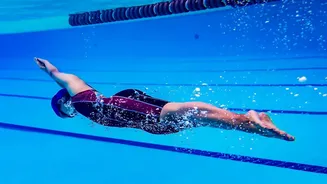
your VO2 max, especially when you're starting out. Swimming provides a comparable cardio workout, but the horizontal body position and the supportive nature of water can result in a slightly lower heart rate for the same perceived effort. However, the breath control required for swimming can lead to significant improvements in lung capacity. For overall heart health, consistency with either exercise is key, as both have been shown to reduce the risk of coronary disease and improve longevity.
The Calorie Burn Question
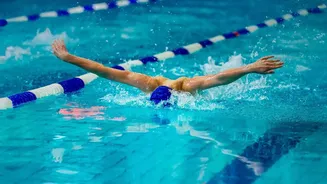
When it comes to burning calories, the answer isn't straightforward and depends heavily on intensity, duration, and individual factors like body weight. Generally, at a moderate, sustained effort, running tends to burn slightly more calories per minute. This is because it’s a weight-bearing exercise, meaning you're constantly working against gravity. However, the tables can turn with increased intensity. Vigorous swimming, especially using demanding strokes like butterfly or a fast freestyle, can match or even exceed the calorie burn of a hard run. Water is about 800 times denser than air, so pulling your body through it requires immense effort from multiple muscle groups, contributing to a significant energy expenditure.
Muscle Engagement and Toning
Here lies one of the most significant differences. Running is a lower-body dominant exercise, powerfully building strength in the quadriceps, hamstrings, glutes, and calves. It also engages your core for stability. Swimming, by contrast, is a true full-body workout. It comprehensively recruits muscles in your arms, shoulders, back, and chest, all while your core works to maintain a stable line in the water and your legs provide propulsion. This makes swimming a more balanced option for developing overall muscle tone.
Joint Impact and Injury Risk
For anyone with joint pain or a history of injuries, this is a critical distinction. Running is a high-impact activity; with each stride, your joints absorb a force equivalent to several times your body weight. This can lead to stress injuries like shin splints or knee problems. Swimming is the undisputed winner for joint health. The buoyancy of water supports about 90% of your body weight, effectively eliminating impact on your ankles, knees, and hips. This makes it an ideal choice for recovery, cross-training, or for those with arthritis. While swimming has a lower injury risk overall, overuse can sometimes lead to shoulder issues if technique is poor.
The Unexpected Factor: Bone Density
While swimming wins on joint safety, running has a unique advantage in building stronger bones. As a weight-bearing exercise, the impact of running stimulates bone-forming cells, which helps to increase bone mineral density. This is a crucial benefit for long-term health and preventing osteoporosis. Because swimming is non-weight-bearing, it doesn't provide this same bone-strengthening stimulus. For this reason, some experts recommend a hybrid approach, combining both activities to get the cardiovascular and muscular benefits of swimming alongside the bone-density perks of running.
The Power of a Steady Session
Regardless of whether you choose the pool or the pavement, the concept of 'steady sessions' is vital. This refers to training at a consistent, moderate pace that is challenging but sustainable—not an all-out sprint, but not a recovery jog either. These sessions are crucial for building aerobic strength. They train your body to become more efficient at using fat for fuel, which is key for improving endurance. By consistently performing steady runs or swims, you increase your body's mitochondrial density—the power plants in your cells—allowing you to go faster at the same effort level over time. This principle of consistency is more important than the choice of exercise itself.