







The Golden Rule: Fresh is Always Best
Traditionally, prasad is meant to be prepared fresh and consumed on the same day after being offered to the deity. This ensures the purest offering and the best taste and texture. The high moisture content in many traditional sweets, especially those
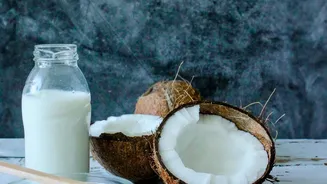
made with fresh coconut, milk, or mawa (milk solids), makes them a breeding ground for bacteria. While storing leftovers is often necessary, the guiding principle should always be to consume them as quickly as possible. Before serving any stored prasad, always trust your senses. If it has a sour smell, shows any signs of mould, or has a slimy or unusually hard texture, it must be discarded immediately to prevent foodborne illness.
Steamed Modaks (Ukadiche Modak)
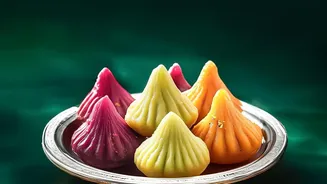
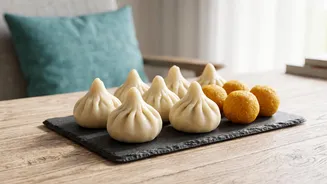
Ukadiche Modak, with its delicate rice flour shell and moist coconut-jaggery filling, is the star of the festival but also the most perishable. Due to its high moisture content, it has a very short shelf life. At room temperature, these modaks should be consumed within a day. For slightly longer storage, you can place them in an airtight container in the refrigerator, where they will last for up to two or three days. It's crucial to use an airtight container to prevent them from drying out. When you're ready to eat them, it is best to re-steam them for 5-7 minutes until soft and warm. Microwaving is generally not recommended as it can make the rice casing chewy and tough.
Fried Modaks and Dry Ladoos
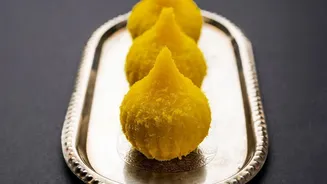
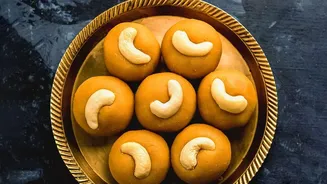
Fried modaks and dry sweets like Besan Ladoo or Atta Ladoo have a significantly longer shelf life because the cooking process removes much of the moisture. These can typically be stored at room temperature in a clean, dry, airtight container for a week or even longer, depending on the ingredients. Sweets made primarily with flour, ghee, and sugar are less prone to spoilage than their milk or fresh coconut-based counterparts. For even longer preservation, especially in humid climates, storing them in the refrigerator is a good option. Allow them to come to room temperature for about 15-20 minutes before serving to enjoy their best texture and flavour.
Prasad with Mawa, Khoya, or Paneer
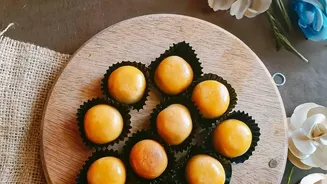
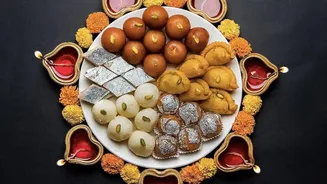
Any prasad made with milk solids like mawa, khoya, or fresh paneer (such as Peda or Milk Barfi) is highly perishable. These sweets must be refrigerated and consumed quickly. They generally last for about three to five days in the fridge when stored in a proper airtight container. Leaving them at room temperature for more than a few hours, especially in a warm climate, can lead to rapid spoilage. When storing, it's best to use glass or stainless steel containers, as they are less reactive than plastic. High humidity can also accelerate spoilage, causing these sweets to become sticky and sour.
No-Cook and Dry Fruit Modaks
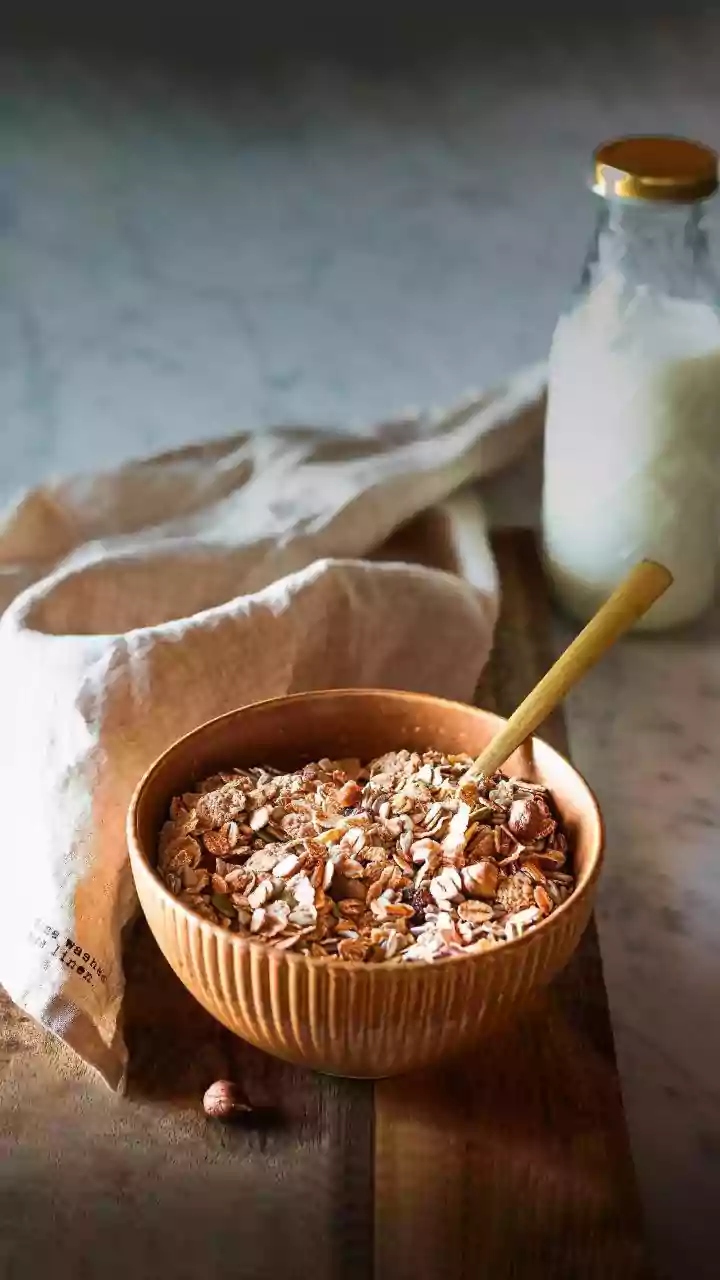
A popular modern variation, no-cook modaks made from ingredients like dates, figs, nuts, and seeds have an excellent shelf life. Because they contain very little moisture, they are naturally well-preserved. These can be stored in an airtight jar at room temperature for up to 10 days. The natural sugars and oils in the dry fruits help keep them fresh. As with other sweets, the key is to protect them from air and humidity. They are a great option for preparing in advance or for sending to friends and family who live far away.
Essential Safety and Storage Tips
To ensure all your prasad remains safe and delicious, follow these general food safety practices. First, always cool sweets completely to room temperature before packing them into containers; storing them while warm creates condensation, which encourages mould and spoilage. Always use clean, dry hands and utensils when preparing and serving prasad. During the festival, the Food and Drug Administration (FDA) often issues guidelines, urging mandals and home cooks to maintain strict hygiene and avoid adulterants to ensure public safety. When storing different types of sweets, use separate containers to prevent flavours from mixing and to contain any potential spoilage. Finally, label containers with the date of preparation so you can keep track of their freshness.