


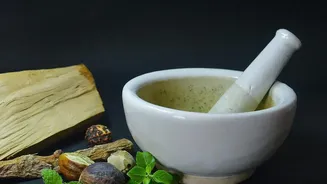
From Ancient Remedy to Modern Superfood
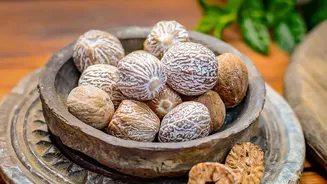
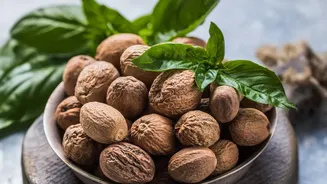
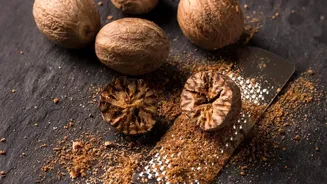
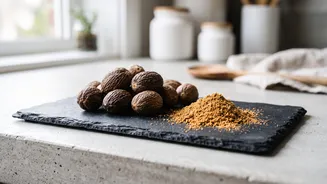
Nutmeg, the seed of the Myristica fragrans tree, has been a prized commodity for centuries, not just for its flavour but for its role in traditional medicine. In Ayurvedic and Unani systems, it was used to treat digestive issues like diarrhea and bloating,
and as a tonic to calm the nerves. In medieval Europe, it was even believed to ward off the plague. This long history has laid the groundwork for its modern reputation. Today, claims about nutmeg's benefits have expanded, with proponents touting it as a powerful antioxidant, anti-inflammatory agent, mood booster, and even a sleep aid. But as this ancient spice moves from the kitchen shelf to the supplement aisle, it's crucial to separate the scientifically supported facts from the folklore.
Claim: A Potent Antioxidant and Anti-Inflammatory
One of the most common claims is that nutmeg is packed with beneficial plant compounds that fight inflammation and cellular damage. This is largely true. Nutmeg contains a variety of powerful compounds, including antioxidants that can help protect your cells from damage. It also possesses anti-inflammatory properties. However, it's important to contextualise this. Much of the research highlighting these effects has been conducted in laboratory or animal studies, often using concentrated nutmeg extracts rather than the small amounts used in cooking. While the sprinkle of nutmeg on your morning coffee contributes to your overall intake of beneficial compounds, it is not a magic bullet for inflammation on its own. The amount used in everyday cooking is safe and adds to a healthy diet, but it isn't a replacement for a balanced, plant-rich eating plan.
Claim: A Natural Sleep Aid and Mood Booster
For generations, a pinch of nutmeg in warm milk has been a folk remedy for sleeplessness. Some traditional medicine systems also used it to soothe stress. There is some modern, albeit limited, scientific exploration into this. A few animal studies have suggested that nutmeg extract may have antidepressant-like effects and can aid in sleep duration and quality. The theory is that certain compounds in nutmeg may interact with the central nervous system. However, robust human studies confirming these effects are lacking. While the traditional use is well-established, relying on nutmeg as a primary treatment for insomnia or mood disorders is not supported by strong clinical evidence.
Reality: The Hidden Dangers of 'Too Much'
This is where a balanced view is most critical. The very compounds that give nutmeg its potential benefits can also make it dangerous in large quantities. The main culprit is a compound called myristicin, which has psychoactive properties. While culinary amounts are perfectly safe, consuming large doses of nutmeg—as little as two teaspoons (about 5-10 grams)—can lead to nutmeg poisoning. Symptoms can be severe and distressing, including nausea, dizziness, dry mouth, rapid heartbeat, agitation, and hallucinations. In very high doses, or when combined with other substances, it can lead to organ failure and has been linked to fatalities. These toxic effects are why using nutmeg to achieve a 'high' is an incredibly risky and ill-advised practice.
Finding the Right Balance: Food vs. Supplement
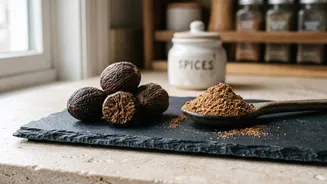
The key takeaway is the vast difference between using nutmeg as a spice and attempting to use it as a high-dose supplement. In the kitchen, nutmeg is a safe and flavourful addition to countless recipes, and the small amounts used pose no threat. Most recipes call for a fraction of a teaspoon, which is far below the toxic threshold. When you see nutmeg supplements or hear claims that require consuming large amounts, extreme caution is warranted. There is not enough scientific information to determine a safe and effective therapeutic dose for nutmeg as a supplement. The potential benefits seen in studies are often from high-dose extracts that should not be replicated at home with the kitchen spice. Stick to enjoying nutmeg for its wonderful aroma and taste in your food, where its benefits can be enjoyed without the risk.