







The Science Behind the Sip
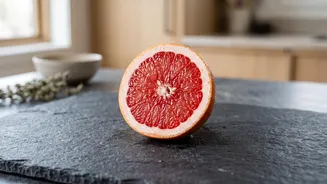
The issue isn't just about acidity; it's about specific chemical compounds found in certain fruits. The most well-documented culprit is grapefruit. It contains substances called furanocoumarins that interfere with a crucial enzyme in our small intestine
known as CYP3A4. This enzyme is responsible for breaking down, or metabolizing, a vast number of medications before they enter the bloodstream. When furanocoumarins block this enzyme, the breakdown process is hindered. This can lead to one of two outcomes, both of which are problematic. For many drugs, the result is that much more of the medication enters your bloodstream than intended, leading to abnormally high levels that can be toxic and increase the risk of serious side effects. In other cases, some citrus juices can block drug transporters in the body, which prevents the medication from being properly absorbed, thereby reducing its effectiveness.
More Than Just Grapefruit
While grapefruit is the most famous interactor, it's not alone. Seville oranges (often used in marmalades), pomelos, and tangelos can have similar effects because they also contain furanocoumarins. For a different reason, other juices can also pose a problem. Apple and orange juice, for instance, have been shown to reduce the effectiveness of the common allergy medication fexofenadine (Allegra). They do this by blocking a transporter protein that helps move the drug from the gut into the blood. This means you get less of the active ingredient, and your allergy symptoms may not be well-controlled. Because the concentration of these interactive compounds can vary by fruit variety and processing methods, it can be hard to predict the exact impact.
Common Medications at Risk
The list of medications affected by citrus juice, particularly grapefruit, is long and growing, spanning many common conditions. It's important to know this is a drug-specific issue, not a class-wide one. Affected medications often include: certain statins for lowering cholesterol like atorvastatin (Lipitor) and simvastatin (Zocor); some blood pressure drugs like nifedipine; anti-anxiety medications like buspirone; and immunosuppressants for organ transplant recipients like cyclosporine and tacrolimus. For these drugs, the interaction typically leads to dangerously high concentrations in the body, increasing risks of side effects like liver and muscle damage. Conversely, the antihistamine fexofenadine becomes less effective when taken with grapefruit, orange, or apple juice.
Timing Doesn't Solve the Problem
A common misconception is that you can safely consume the juice if you simply separate it from your medication by a few hours. Unfortunately, this is not effective. The blocking effect of grapefruit's furanocoumarins on the CYP3A4 enzyme is irreversible and can last for up to three days, as the body needs time to produce new enzymes. This means that even a single glass of grapefruit juice in the morning can affect medication you take later that day or even the next. For interactions that reduce absorption, like with fexofenadine, the effect may be shorter, but spacing the dose is still not a reliable strategy. The safest and simplest approach is to avoid the problematic juice entirely while on an affected medication.
The Safe Way to Swallow
The best practice is also the simplest: take all medications with a full glass of plain water. Water does not interfere with absorption or metabolism and ensures the pill or capsule travels smoothly to your stomach. If you are unsure whether your medication interacts with citrus or any other food, the first step is to check the patient information leaflet that comes with your prescription. These guides are required to list any known significant interactions. However, the most reliable source of information is your doctor or pharmacist. They can review your specific medications, explain any potential risks, and in some cases, may be able to prescribe an alternative drug from the same class that is not affected by citrus juice. Never alter your medication dose on your own if you have accidentally consumed juice; consult your healthcare provider for guidance.