





Understanding the Gut-Brain Axis
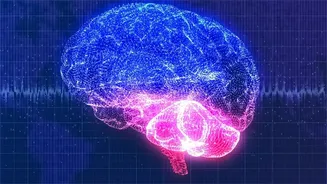
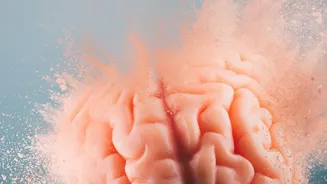
The gut-brain axis is a two-way communication highway connecting your central nervous system (your brain and spinal cord) with your enteric nervous system (the nervous system of your gut). This network uses physical and chemical signals to chat constantly.
Think about feeling 'butterflies' in your stomach when you're nervous—that's the gut-brain axis in action. This communication is influenced by trillions of microorganisms, like bacteria, living in your gut. This community is called the gut microbiome, and keeping it balanced is crucial for both physical and mental health. An imbalanced microbiome can lead to issues like brain fog, difficulty concentrating, and mood swings.
The Heroes of Your Gut: Probiotics
Probiotics are the 'good' or 'friendly' live bacteria that help maintain a healthy balance in your gut. They work by protecting the intestinal lining and preventing harmful inflammatory molecules from affecting your system. A healthy gut populated with beneficial bacteria contributes significantly to the production of neurotransmitters like serotonin. In fact, about 90% of your body's serotonin, often called the 'happy chemical', is made in the gut. When these levels are stable, it helps regulate mood and promote emotional well-being. For Indian diets, incorporating probiotics is simple. Traditional foods like homemade dahi (curd), chaas (buttermilk), and fermented batters for idli and dosa are excellent natural sources. Even homemade pickles (achar) and fermented drinks like kanji can replenish these friendly bacteria.
The Fuel for the Heroes: Fiber as Prebiotics
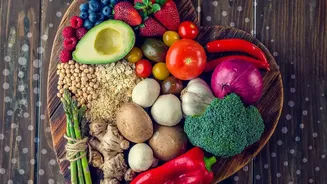
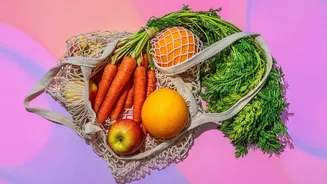
If probiotics are the heroes, then prebiotics are their fuel. Prebiotics are specific types of dietary fiber that your body can't digest, but your gut's good bacteria love to eat. By feeding these beneficial microbes, prebiotics help them thrive and multiply. This process is essential for keeping the gut environment healthy. When these fibers are fermented by good bacteria, they produce compounds called short-chain fatty acids (SCFAs), which have anti-inflammatory properties and are vital for brain health. Indian cuisine is naturally rich in prebiotic fiber. Millets like jowar, bajra, and ragi are fantastic sources. Pulses and legumes, including moong dal, chana, and rajma, are packed with the fermentable fiber that supports a healthy gut. A variety of vegetables like bhindi (okra), lauki (bottle gourd), palak (spinach), onions, and garlic also serve as excellent prebiotics.
Connecting Diet to Daily Mood and Focus
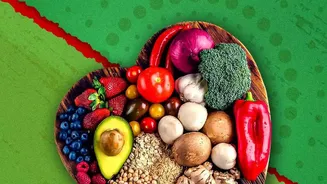
So, how does eating dahi and dal translate to better focus at work? When you consume a diet rich in both probiotics and prebiotics, you create a diverse and resilient gut microbiome. This balanced ecosystem reduces inflammation throughout the body, including the brain, which can otherwise contribute to brain fog and memory issues. Furthermore, a healthy gut effectively manages the production of mood-regulating neurotransmitters. Research suggests that a well-fed microbiome can help guide tryptophan, an amino acid, toward pathways that create serotonin, supporting a positive mood. In contrast, a poor diet can allow unhealthy bacteria to convert tryptophan into compounds that may promote inflammation and negatively impact mental well-being. By nourishing your gut, you are directly supporting the biological machinery that helps keep you feeling focused, calm, and emotionally stable.