




From Cardio to Kettlebells: Redefining Fitness
There’s a quiet revolution happening across India. The narrative of fitness, once dominated by endless cardio sessions and the pursuit of thinness, is being rewritten. [13] The new mantra centres on building a strong, functional, and resilient body. Walk
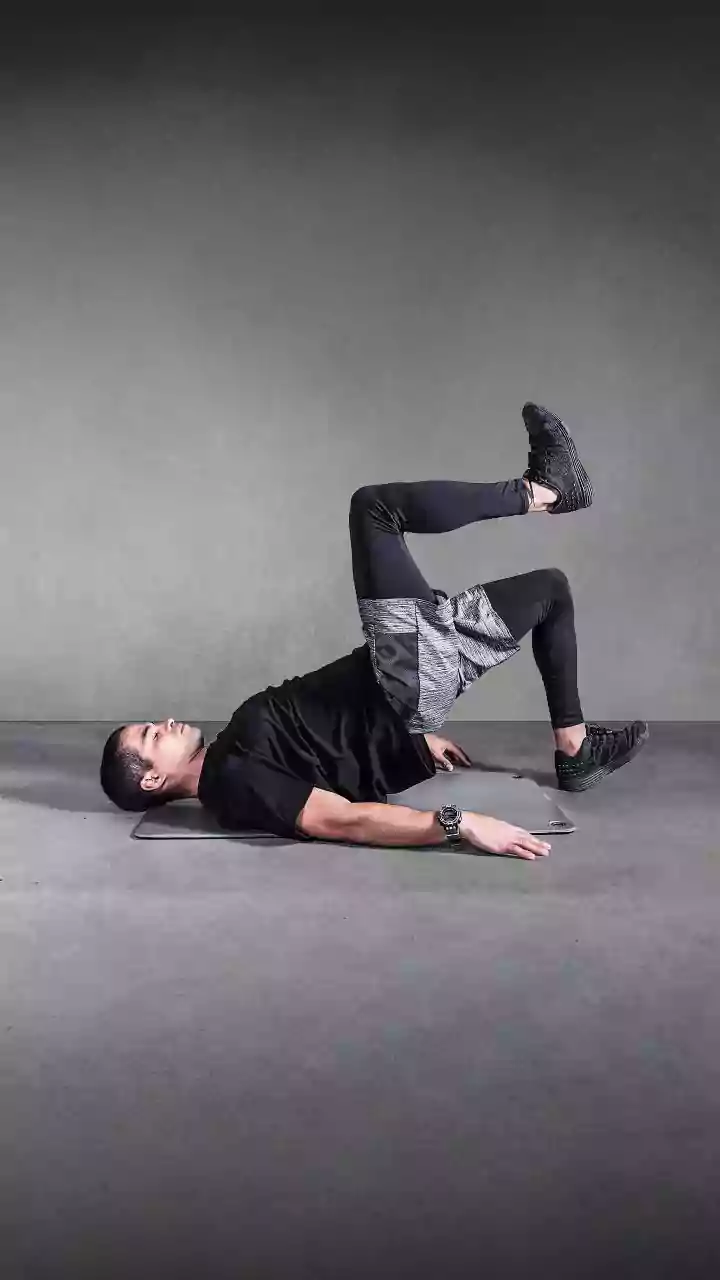
into a gym in any major city, and you're now more likely to hear discussions about lifting capacity than weight loss. [13] This isn't just an anecdotal observation; it's a fundamental shift. Functional workouts, strength training, and mind-body practices like Pilates are moving from the fringes to the mainstream. [13, 21] The goal is no longer just about aesthetics but about long-term health and capability—being strong enough for daily life, preventing injury, and ageing gracefully. [13] This shift is part of a larger wellness boom, with India's fitness market projected to more than double from ₹16,200 crore in 2024 to ₹37,700 crore by 2030. [8, 9]
The Post-Pandemic Push and Social Media's Influence
The COVID-19 pandemic served as a major catalyst, accelerating a trend towards health-consciousness. [26] It brought a heightened awareness of lifestyle disorders and the importance of preventive health. [20, 24] This newfound urgency found a powerful amplifier in social media. Fitness influencers on platforms like Instagram and YouTube have democratized fitness, making it seem more accessible and less intimidating than ever before. [6, 14] They've played a key role in changing societal attitudes, moving the perception of fitness away from something reserved for elite athletes to a goal achievable by anyone. [14] By sharing workout routines, nutrition tips, and personal journeys, these influencers provide a roadmap and a sense of community, inspiring millions to adopt healthier lifestyles. [6, 25]
Women Leading the Charge
Perhaps the most significant aspect of this trend is how women are embracing strength training, challenging long-held cultural myths that lifting weights makes women "bulky". [30] Female-led fitness communities and trainers are creating supportive environments where women feel empowered to lift, build muscle, and focus on performance. [30] For many, lifting weights has become a radical act of empowerment and self-definition. [17] This is a stark contrast to previous generations where exercises like Zumba or running were more common for women. [29] Today, trailblazers like Mirabai Chanu, a world champion and Olympic silver medallist, have made weightlifting aspirational for women across the country, following in the footsteps of pioneers like Karnam Malleswari, India's first woman to win an Olympic medal. [12, 23] This has helped normalise the idea of women building physical strength as a core component of their well-being. [29, 30]
A More Holistic Vision of Health
This fitness evolution is not just about physical strength; it's about a holistic vision of wellness. The conversation now includes nutrition, mental health, and longevity. [18, 20] There's a growing understanding that you can't exercise your way out of a sedentary lifestyle. [19] As a result, hybrid workouts that blend strength, cardio, and mobility are gaining popularity. [10] The focus is shifting from short-term, high-intensity bursts to sustainable, lifelong habits. [18] This is reflected in the rising popularity of mindful, low-impact practices like Pilates and yoga, which build core strength and flexibility without the high-impact strain. [13] Consumers are building complete 'wellness systems'—combining gym memberships with healthier diets and sleep tracking—viewing health as a connected, daily practice rather than an occasional goal. [18, 22]