
The Science of Recovery: Why Protein Is King
When you engage in strenuous exercise, your muscle fibres experience tiny micro-tears. This is a normal part of the process of getting stronger. For your muscles to repair and grow, your body initiates a process called muscle protein synthesis (MPS).
To do this effectively, it needs an adequate supply of protein, which provides the essential building blocks known as amino acids. Conventional wisdom often points to animal products as the go-to source, but a well-planned vegetarian diet offers potent alternatives that are just as effective for kickstarting this crucial repair process. The post-workout window is a key time for nutrient intake, with experts often recommending consuming a mix of protein and carbohydrates within two hours of exercise to optimize recovery.
The Tofu Advantage: A Complete Protein Powerhouse
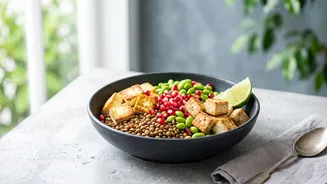
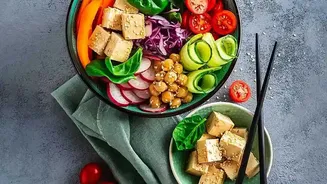
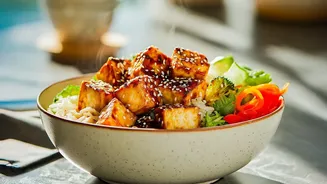
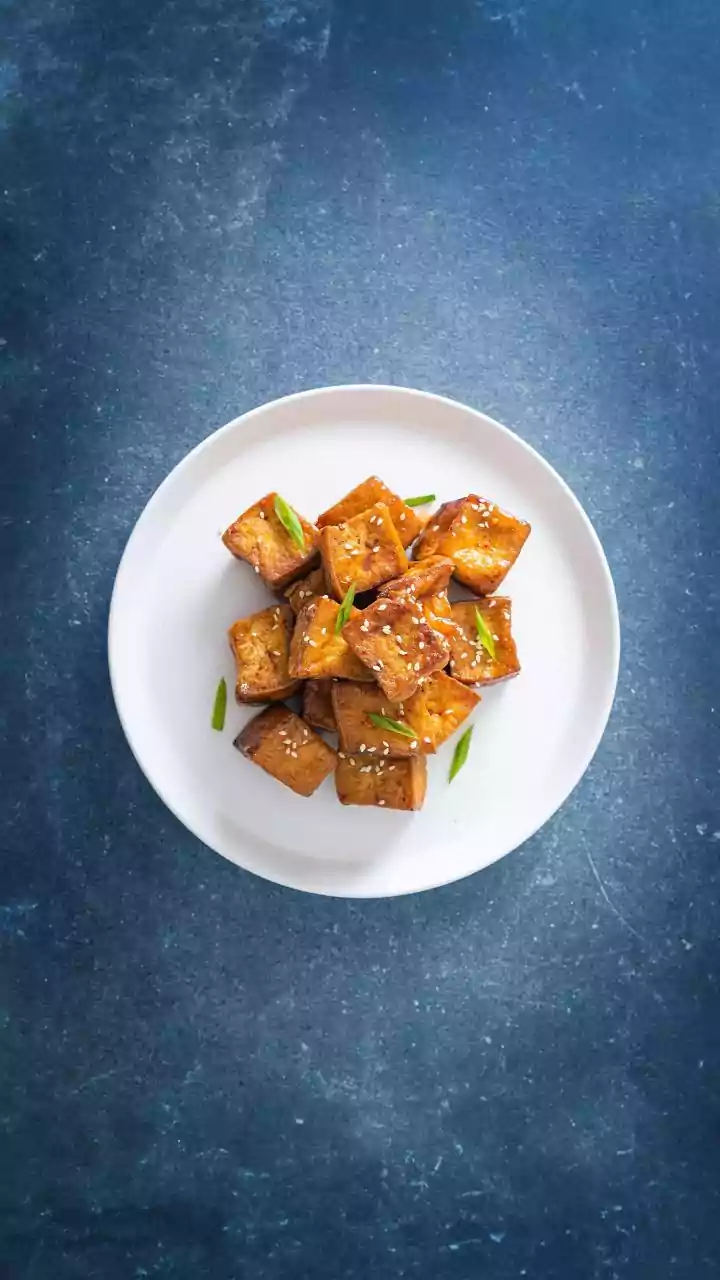
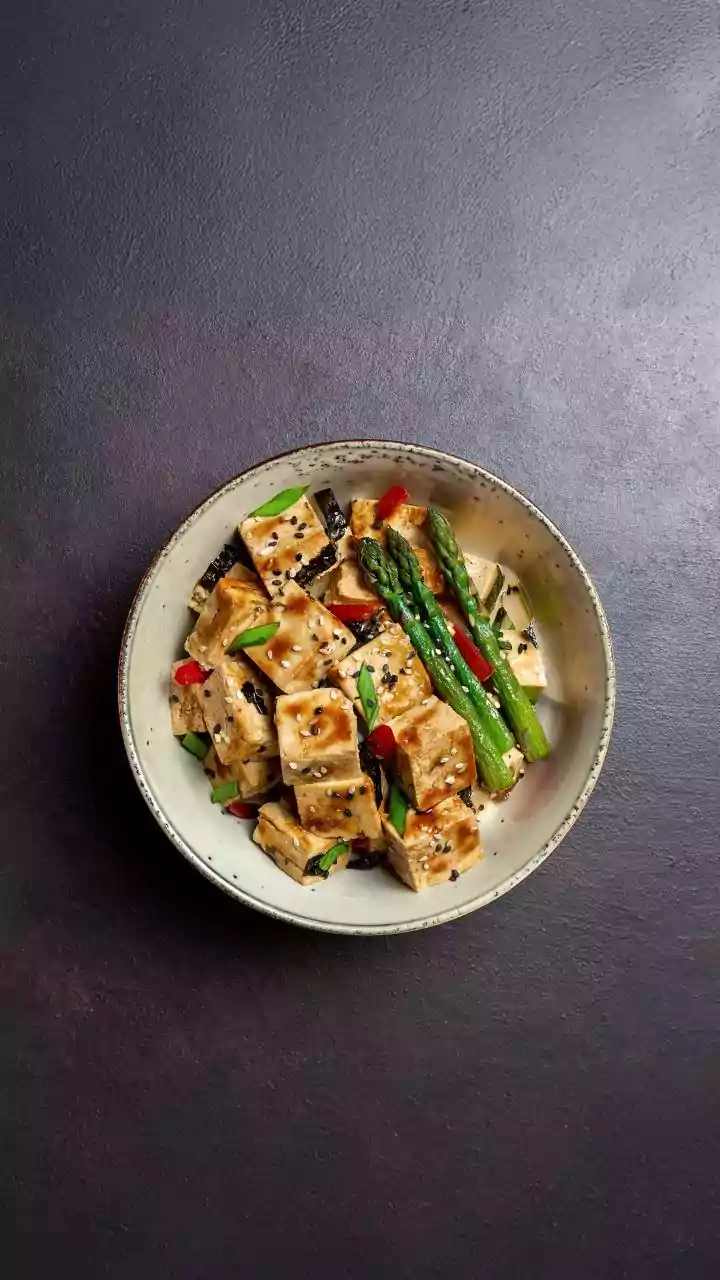
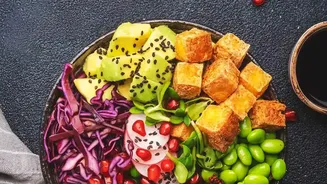
Tofu, made from soybeans, has long been a staple for those on plant-based diets, and for good reason. It stands out because it is a 'complete protein', meaning it contains all nine essential amino acids that your body cannot produce on its own. This makes it a direct parallel to many animal-based proteins. A half-cup serving of firm tofu can provide around 22 grams of protein, making it an efficient way to hit your recovery goals. Furthermore, soy protein is known to be effective for muscle building, with some studies suggesting it can be as effective as whey protein. Tofu is also rich in isoflavones, which have antioxidant properties that can help reduce exercise-induced inflammation and muscle soreness. Its digestibility is another plus; compared to some high-fibre plant foods, tofu is relatively gentle on the stomach, making it a great post-workout option.
Don't Underestimate Seeds: Nature's Nutrient Bombs
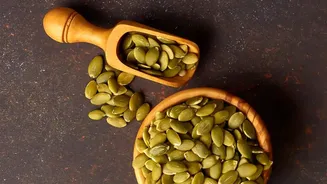
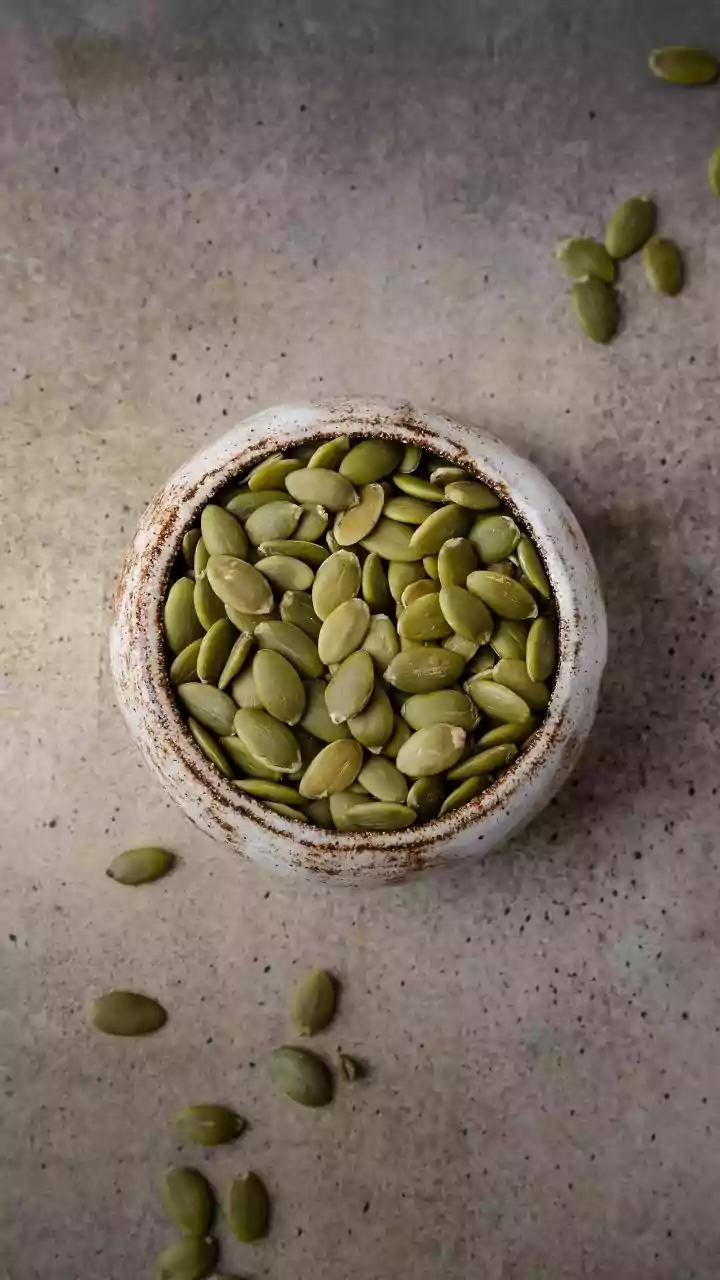
Seeds may be small, but they are incredibly mighty when it comes to nutrition. For athletes, they are a fantastic addition to a recovery plan. Hemp seeds are a standout, as they are also a complete protein source and contain a significant amount of leucine, the amino acid that is a key trigger for muscle protein synthesis. Pumpkin seeds are another star, packed with magnesium and zinc, two minerals essential for muscle function, energy metabolism, and tissue repair. Chia and flax seeds are rich in alpha-linolenic acid (ALA), a type of omega-3 fatty acid known for its anti-inflammatory properties, which can help soothe sore muscles and support joint health. Adding a mix of these seeds to a post-workout smoothie or meal not only boosts protein but also delivers a wide array of micronutrients that support overall recovery.
Meeting Your Leucine Needs on a Plant-Based Diet
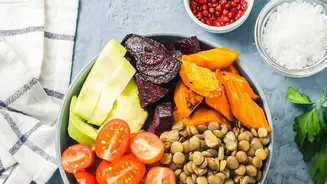
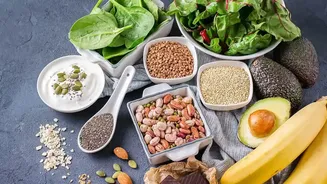
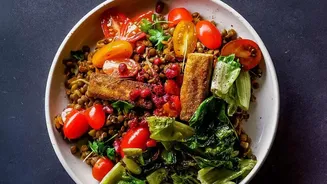
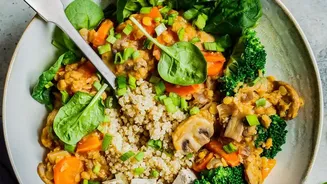
One of the most critical amino acids for triggering muscle growth is leucine. While animal proteins are generally higher in leucine, it is entirely possible to meet your needs with plant-based foods. Soy products like tofu and edamame are excellent sources. Combining different plant proteins throughout the day ensures you get a full spectrum of amino acids. For instance, pairing legumes (which are lower in the amino acid methionine) with grains (which are lower in lysine) creates a complete protein profile. Recent studies have shown that when the total amount of protein and leucine is matched, plant-based proteins can be just as effective as whey for building muscle. The key is to focus on consuming a variety of high-protein plant foods, such as lentils, beans, quinoa, nuts, and the aforementioned tofu and seeds, to ensure you're providing your body with all the tools it needs to recover and thrive.