




Catch the Final Act of the Perseids
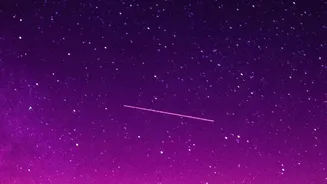
While the spectacular peak of the Perseid meteor shower occurred around August 12-13, the show isn't entirely over. The shower remains active until about August 24. This annual event happens when Earth passes through the dusty trail of Comet Swift-Tuttle.
In the final days of the shower, your chances of spotting a shooting star are lower than at the peak, but it's still worth a look. For your best shot, find a location away from city lights, preferably after midnight. Let your eyes adjust to the darkness for at least 20-30 minutes and look towards the northeast. While you won't see the peak rate of nearly 100 meteors per hour, any stray Perseid you spot will be a rewarding experience. The key is patience and a clear patch of sky.
Saturn Shines Brightly
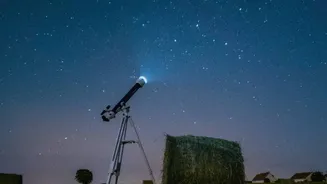
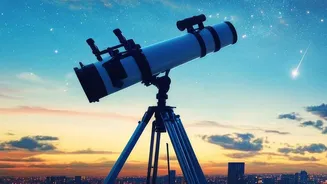
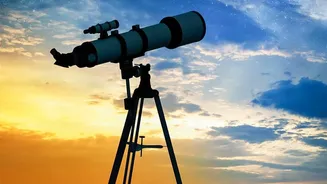
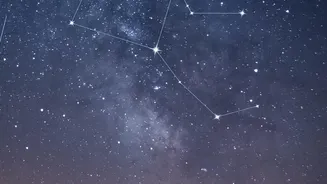
August is an excellent month for viewing the magnificent ringed planet, Saturn. Although its official opposition—when it appears biggest and brightest—is on October 4, 2026, it is already a prominent object in the night sky. From late August onwards, Saturn is well-placed for evening observation, rising in the east as the sun sets and remaining visible for most of the night. It will be shining brightly in the constellation Cetus. While you can spot Saturn's steady, yellowish light with the naked eye, a small telescope is required to see its famous rings. Even a modest backyard telescope will reveal the stunning detail that makes Saturn a favorite target for amateur astronomers. Look for it in the southern sky around midnight for the clearest view.
A Glimpse of Bright Venus
While a grand parade of six planets was a highlight earlier in the month, Venus continues to put on a show in the evening sky. Around mid-August, the planet reached its greatest eastern elongation, meaning its widest apparent separation from the Sun. For the remainder of the month, you can spot Venus as a brilliant point of light low in the western sky shortly after sunset. It will be unmistakably bright, outshining every star. However, it sets relatively quickly, so you'll need to look for it as twilight deepens. Don't miss the chance to see our nearest planetary neighbor in its dazzling evening appearance.
Finding the Best Viewing Spots
The success of your skywatching adventure heavily depends on your location. The primary challenge during August in many parts of India is the monsoon cloud cover. However, breaks in the weather can provide exceptionally clear skies. To maximize your chances, escape the light pollution of major cities. Locations in high-altitude, rain-shadow regions like Spiti Valley in Himachal Pradesh or parts of Ladakh offer some of the best conditions, with over 250 clear nights a year. For those in the south, areas like Coorg in Karnataka or Yercaud in Tamil Nadu can be good options, especially after a spell of rain clears the atmospheric haze. Even a short drive away from city limits, to places like Jawhar near Mumbai, can dramatically improve your view of the cosmos.
Simple Tips for a Great Experience
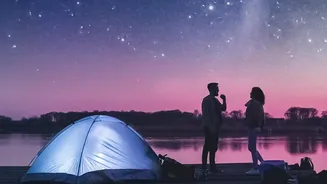
You don’t need expensive equipment to enjoy the night sky. The most important tool is patience. When you head outside, give your eyes about 20 to 30 minutes to fully adapt to the darkness; this will allow you to see much fainter stars and meteors. Using a star-gazing app on your phone can help you identify constellations and locate planets, but be sure to switch your screen to a red-light mode to preserve your night vision. Lastly, get comfortable. A reclining chair or a blanket on the ground will save you from neck strain and allow you to take in a wide view of the sky above.