



The Legend of the Ghost Pepper
For generations, the Bhut Jolokia has been a revered ingredient in the kitchens of Northeast India, particularly in states like Nagaland, Assam, and Manipur. Known locally as Raja Mirchi or King Chilli, it was once certified as the world's hottest pepper,
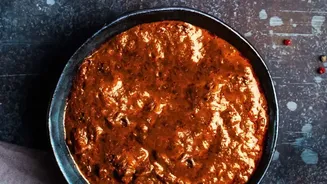
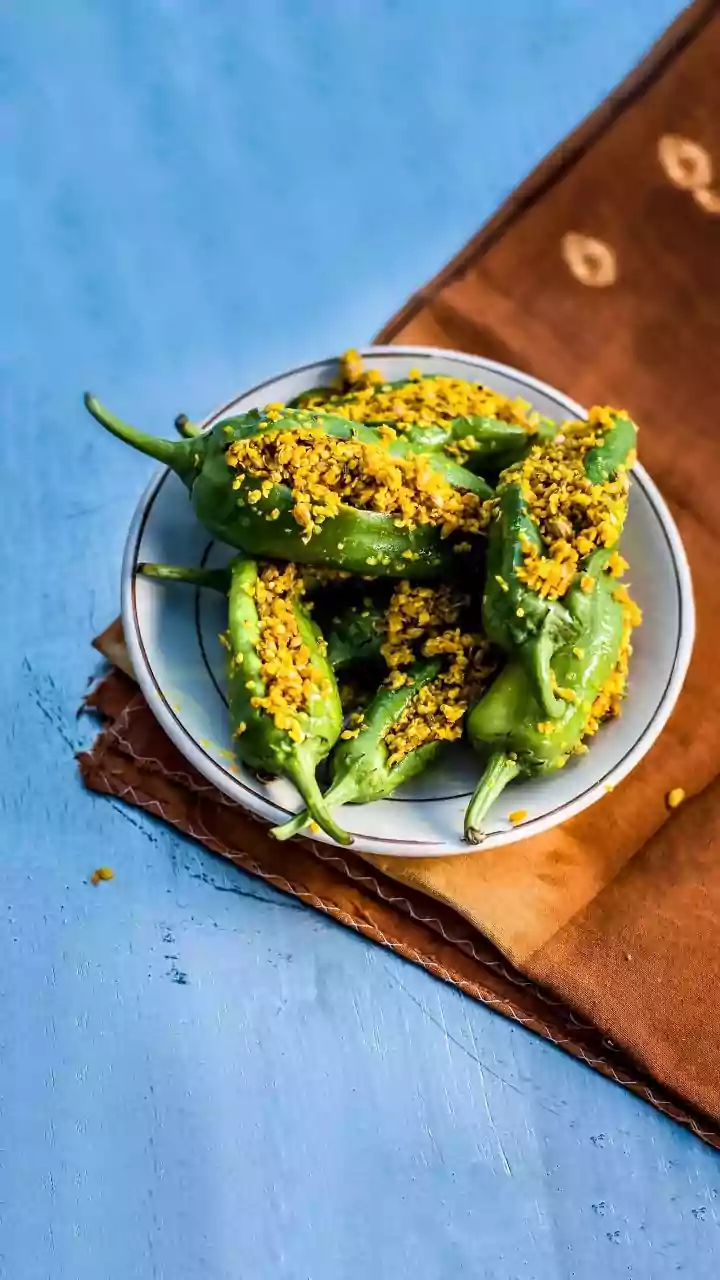
packing a punch over a million Scoville Heat Units. Traditionally, it’s used to add intense heat to curries, pickles, and chutneys, often paired with smoked meats and fermented foods. In its homeland, the ghost pepper is not a gimmick but a core component of the regional culinary identity, respected for its power and unique flavour. Its use is a testament to a food culture deeply connected to the land, where ingredients are simple, fresh, and potent.
Beyond Raw Heat: Unlocking Flavor
The challenge for any modern chef is to look past the Bhut Jolokia's intimidating reputation. The goal is no longer just to create the spiciest dish for a viral challenge, but to harness the chili's complex flavor profile. Beneath the searing heat lies a surprisingly delicate, almost fruity and smoky taste. This nuance is what urban chefs are now exploring. They are moving away from using it as a blunt instrument of pain and are instead treating it as a specialty spice. This shift is part of a broader culinary movement in India that celebrates indigenous ingredients, from Meghalaya's sohphlang tuber to Assam's aromatic Joha rice, giving them a contemporary platform.
Taming the Flame: The Chef's Secret
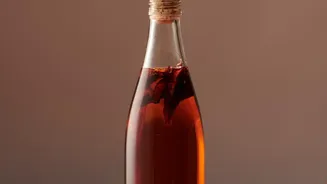
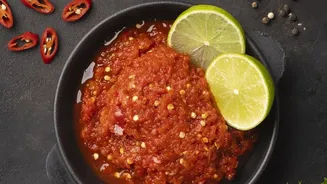
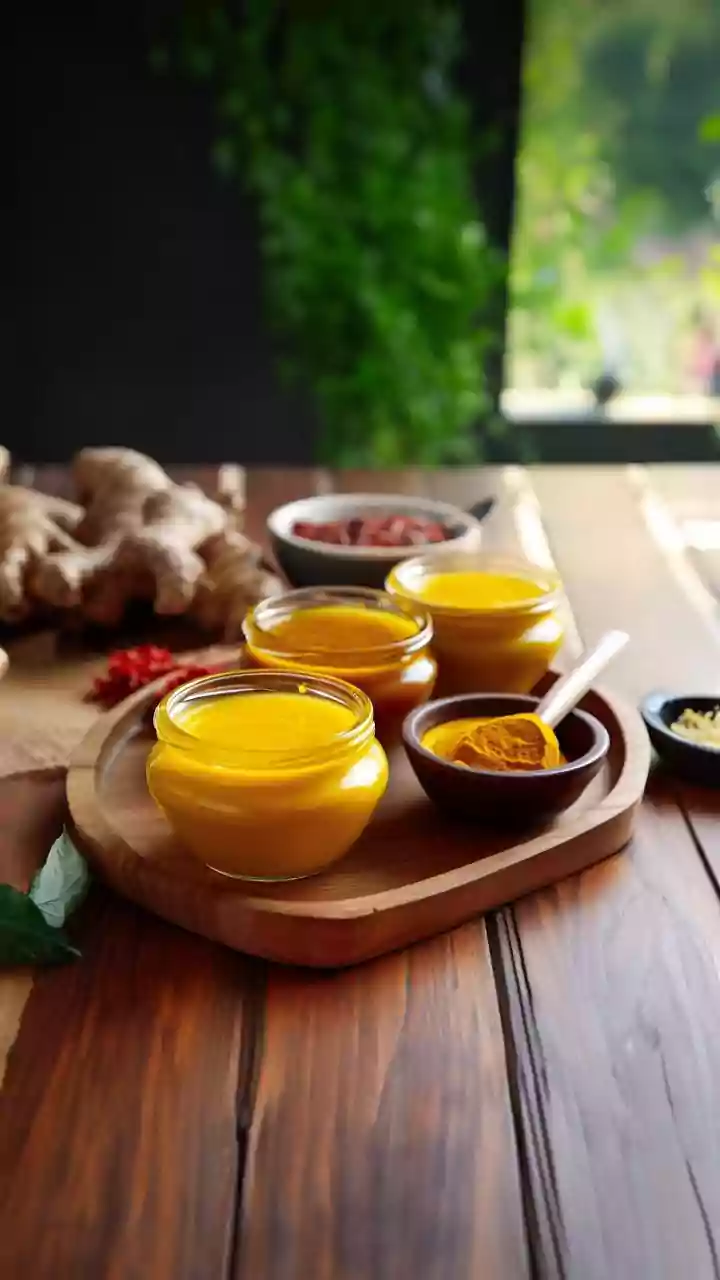
So, how do chefs make a chili that was historically used to deter wild elephants palatable for the average cafe-goer? The secret lies in technique. Instead of using the raw pepper directly in large amounts, chefs are getting creative. One popular method is infusion. By steeping whole dried or fresh peppers in oils, honey, or even vinegars, they can extract the chili's aromatic compounds and smoky notes while controlling the level of capsaicin—the chemical responsible for the heat. Another approach is to use it in powdered or flake form, which allows for precise measurement and even distribution in spice rubs, marinades, or sauces. Pairing it with cooling agents like dairy, coconut milk, or balancing its fire with acidic ingredients like citrus is also a common strategy to make the heat enjoyable rather than overwhelming.
Ghost Peppers on the Modern Menu
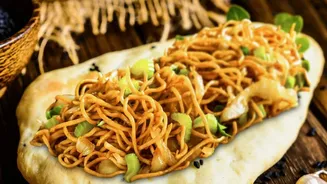
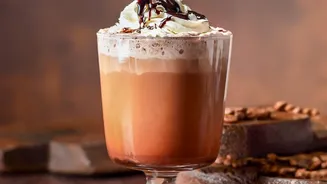
Across India's metros, the ghost pepper is appearing in the most unexpected places. It's no longer confined to traditional curries. You might find Bhut Jolokia-infused honey drizzled over crispy fried chicken wings, offering a perfect blend of sweet and heat. Some cafes are adding a pinch of ghost pepper powder to their hot chocolate or even lattes for a surprising kick. In savory dishes, its applications are even broader: ghost pepper mac and cheese, spicy meatballs for pasta, fiery burger sauces, and even as a bold topping for artisanal pizzas. These dishes aren't just about being spicy; they use the Bhut Jolokia to create a memorable and layered flavor experience that keeps customers intrigued and coming back for more.
A Celebration of Indian Terroir
The rise of the ghost pepper in urban fusion cooking is more than just a fleeting trend. It signifies a deeper appreciation for India's rich agricultural diversity and regional cuisines. For years, many high-end restaurants prioritized imported ingredients. Now, chefs are championing local produce, recognizing that ingredients like the Bhut Jolokia have a unique story and a distinct sense of place. This movement connects diners in cities like Mumbai and Bengaluru to the hills of Nagaland and the fields of Assam, fostering a sense of culinary pride and curiosity. It's about showcasing the incredible range of flavors that India has to offer, proving that traditional ingredients have an exciting and evolving future in modern gastronomy.