





Before You Begin: Monsoon Prep
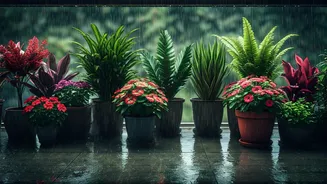
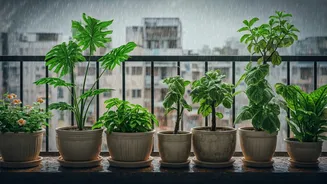
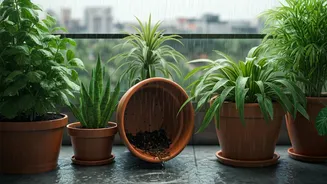
The secret to a successful monsoon balcony garden isn't just choosing the right plants; it's about setting them up for success. The biggest challenge during the rainy season is not a lack of water, but too much of it. Waterlogging is the number one enemy,
leading to root rot. Before you plant, ensure every pot has clear drainage holes. Elevating your pots on bricks or simple pot stands can also make a huge difference, allowing excess water to escape freely. A good quality, well-draining soil mix is also crucial. A mix of garden soil, compost, and sand or perlite will provide nutrients while preventing the soil from becoming a soggy mess. With these basics in place, you’re ready to add some green.
Balsam: The Rain-Lover
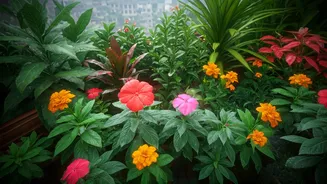
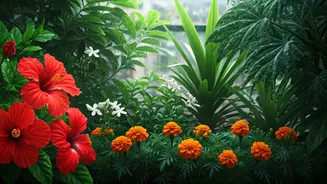
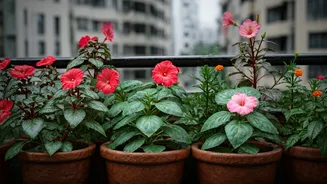
Often called Rose Balsam, *Impatiens balsamina* is a quintessential monsoon flower that feels right at home in the moist, humid conditions. Its vibrant, cup-shaped flowers, which resemble miniature roses or camellias, come in shades of pink, red, purple, and white. They grow profusely along the stem, nestled between bright green leaves, ensuring a colourful display. Balsam is an annual plant that grows quickly, making it incredibly rewarding for beginner gardeners. It’s perfectly suited for containers and thrives in partial shade, making it ideal for balconies that don’t receive harsh, direct sunlight all day. **Care Tips:** Plant in well-draining soil rich in organic matter. While it loves moisture, ensure the pot doesn't get waterlogged. Water only when the top inch of soil feels dry; the monsoon rains will often take care of this for you.
Marigold: A Pop of Sunshine
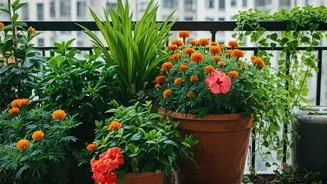
When the sky is overcast, a burst of yellow and orange from marigolds (*Tagetes* species) can feel like bottled sunshine. These hardy annuals are incredibly easy to grow and are known for their resilience. They tolerate heavy rains well, provided they are in well-draining soil. French marigolds (*Tagetes patula*) are particularly well-suited for small balconies as they are compact and bushy, typically growing between 6 to 12 inches tall. Beyond their cheerful appearance, marigolds have a distinct aroma that naturally repels pests, making them a fantastic companion for other plants in your balcony garden. **Care Tips:** Marigolds love full sun, so place them in a spot that gets at least six hours of direct sunlight. Allow the soil to dry out moderately between waterings to prevent root rot. Removing spent flowers, a process called deadheading, will encourage the plant to produce more blooms throughout the season.
Petunia: Cascading Colours
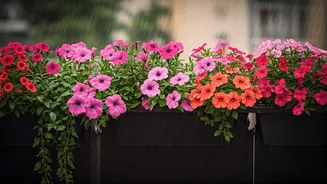
For a spectacular display of cascading colour, look no further than petunias. These popular flowers come in a dizzying array of colours, from vibrant pinks and purples to pristine whites. While some older varieties can be delicate, many modern cultivars are quite weather-tolerant. Their trailing habit makes them perfect for hanging baskets or railing planters, allowing you to maximise your vertical space. The constant moisture from the monsoon keeps them happy, and they bloom profusely, creating a waterfall of colour. However, they can be susceptible to rot if they get too waterlogged, so good drainage is non-negotiable. **Care Tips:** Petunias thrive in full sun, needing at least 6-8 hours a day for the best blooms. Water before the soil dries out completely, but avoid splashing water on the flowers and leaves to prevent fungal diseases. If plants start to look long and leggy, trim them back to encourage bushier growth and a new wave of flowers.
Portulaca: The Hardy Beauty
Also known as Moss Rose, *Portulaca* is a sun-loving succulent that is surprisingly adept at handling the monsoon. Its fleshy leaves store water, giving it excellent drought resistance, which also helps it withstand periods of heavy rain without succumbing to rot as quickly as other plants, as long as the soil drains well. The true magic of Portulaca is its vibrant, rose-like flowers that come in a rainbow of colours. These flowers typically open with the morning sun and close in the late afternoon, providing a daily spectacle. It is a low-growing plant, making it perfect for small pots, troughs, or as a 'spiller' in mixed arrangements. **Care Tips:** Portulaca needs a minimum of 6-8 hours of bright sunlight to bloom properly. Use a sandy, extremely well-draining soil mix. Overwatering is a bigger risk than underwatering, so let the rain do most of the work and only water manually during extended dry spells.
Spider Plant: For Lush Greenery
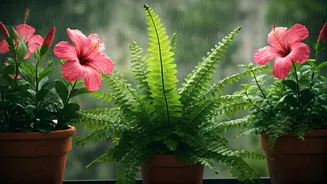
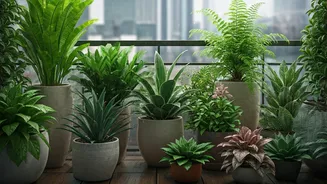
If you prefer foliage over flowers, the Spider Plant (*Chlorophytum comosum*) is an excellent, low-maintenance choice. It’s known for its air-purifying qualities and graceful, arching leaves, often with a white stripe. During the monsoon, the increased humidity helps its foliage become even more lush and vibrant. These plants are incredibly forgiving and adaptable. They produce tiny plantlets, or “pups,” on long stems, which can be easily propagated to create new plants. They do well in hanging baskets where their arching leaves and pups can cascade freely, adding a touch of green without taking up floor space. **Care Tips:** Spider plants prefer bright, indirect light; direct sun can scorch their leaves. They are not fussy about soil but require good drainage. Water when the top inch or two of soil is dry. They are fairly drought-tolerant, so it's better to err on the side of underwatering, especially during the humid monsoon months.