

The Lithium-Ion Bottleneck
For years, the electric vehicle revolution has been powered by lithium-ion batteries. While effective, they have a significant downside. The key material, lithium, is scarce, and its global supply chain is concentrated in a few countries, leading to volatile
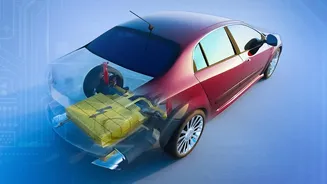
prices and geopolitical risks. For India, which imports most of its lithium, this dependence means that the cost of an EV battery—which can be up to 40% of the vehicle's total price—remains stubbornly high. This has kept many entry-level EVs just out of reach for a large segment of the population, despite government incentives and a clear demand for cleaner transportation.
Enter Sodium-Ion: The Abundant Alternative
Sodium-ion batteries work on a principle similar to their lithium-ion cousins, but they use sodium as their charge carrier. The biggest advantage is the raw material itself. Sodium is one of the most abundant elements on Earth, readily available from common salt. This drastically reduces material costs and removes the geopolitical supply chain pressures associated with lithium. By leveraging a resource that India has in abundance, manufacturers can build batteries that are inherently cheaper, potentially reducing costs by 20-30% at scale compared to lithium-ion versions.
More Than Just a Price Drop
While affordability is the headline feature, sodium-ion technology offers other compelling benefits suited for Indian conditions. These batteries generally have a higher thermal stability, reducing the risk of fires—a key safety concern for consumers. They also perform better across a wider range of temperatures, from extreme heat to cold, without requiring complex and costly thermal management systems. Furthermore, developers have demonstrated incredibly fast charging capabilities and long lifespans, with some prototypes retaining 80% capacity after 3,000 to 6,000 cycles. This combination of safety, durability, and faster charging makes them highly practical for everyday use.
The Indian Push for Self-Reliance
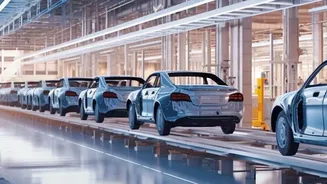
Several Indian companies are aggressively pursuing sodium-ion technology, aligning with the 'Make in India' mission. Reliance Industries, through its acquisition of UK-based firm Faradion, is planning a giga-factory in Jamnagar to produce sodium-ion cells. The company aims to commercialise the technology for both EVs and stationary energy storage. Similarly, Pune-based KPIT Technologies has developed its own indigenous sodium-ion battery technology and has partnered with Trentar Energy Solutions to commercialise it, with plans for a 3 GWh manufacturing facility. Other players like Indi Energy are developing cells using hard carbon derived from agricultural waste, creating a circular economy benefit. This domestic push is crucial for India's energy security and goal of becoming a leader in battery manufacturing.
What Are the Trade-Offs?
The primary drawback of current sodium-ion batteries is their lower energy density compared to lithium-ion. In simple terms, they store less energy in the same amount of space or weight. This means that for a given battery size, an EV with a sodium-ion pack will have a shorter range. However, this is not a dealbreaker. For entry-level vehicles designed primarily for city commuting and daily errands, the slightly reduced range is a perfectly acceptable trade-off for a significantly lower purchase price. Many experts see sodium-ion as a complementary technology, ideal for affordable two-wheelers, three-wheelers, and compact cars, while lithium-ion will continue to power long-range and high-performance models.
What This Means for Your Next Car
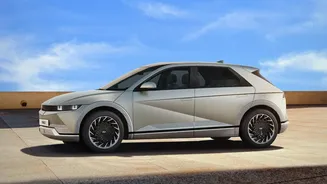
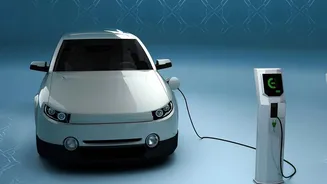
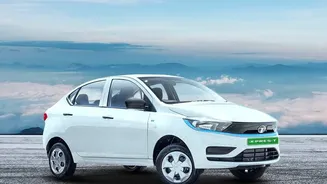
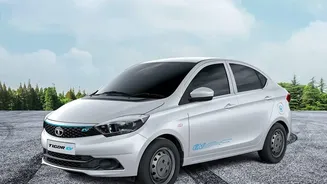
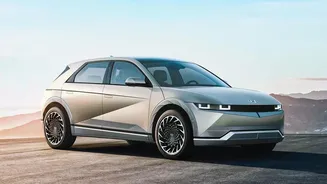
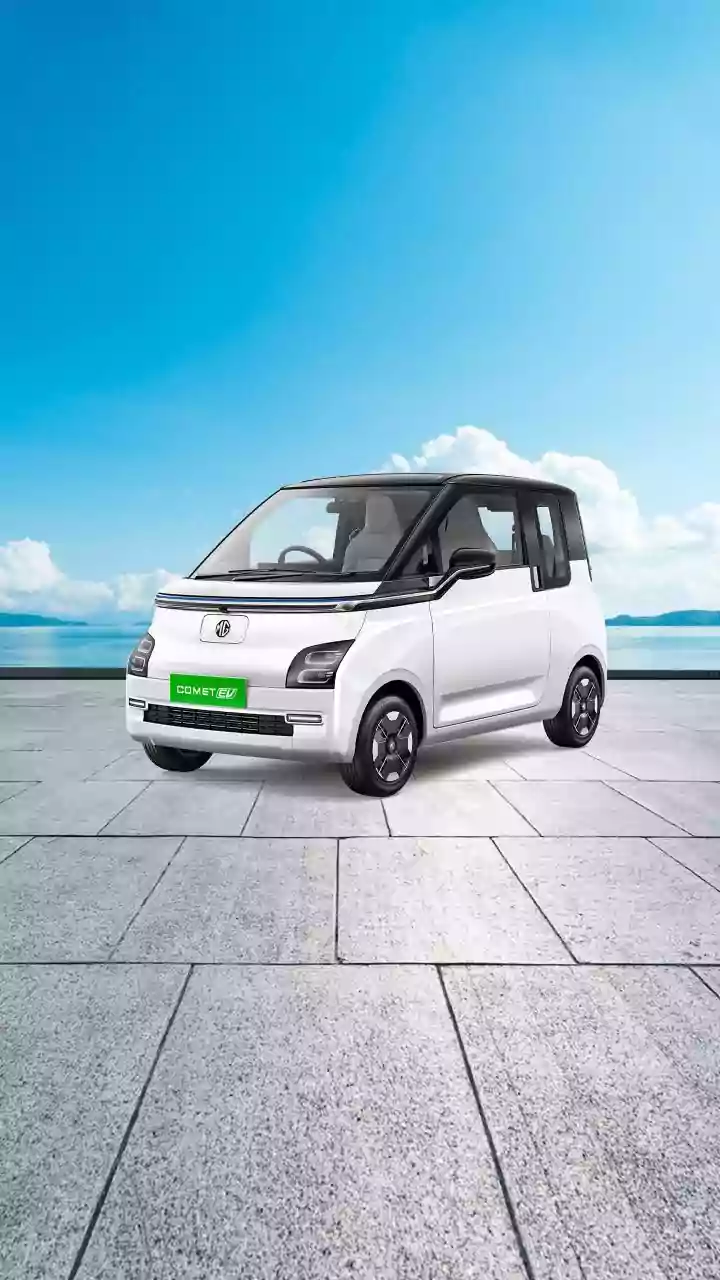
The transition won't happen overnight, but the pace is accelerating. With major players like Reliance targeting production by 2026 and advancements bringing the technology closer to commercial readiness, the first wave of sodium-ion powered EVs in India is on the horizon. Initially, you can expect to see this technology appear in the most price-sensitive segments: electric scooters, auto-rickshaws, and budget-friendly city cars. The arrival of these vehicles could finally crack the affordability code, making electric mobility a realistic option for millions of Indian families for the first time.