



The Shift That Started at Home
Not long ago, the path to fitness was a well-trodden one leading straight to the local gym. It was a place of community, motivation, and specialised equipment. But the pandemic-induced lockdowns of 2020 acted as an unexpected catalyst, forcing millions
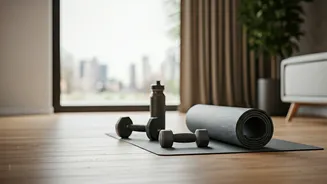
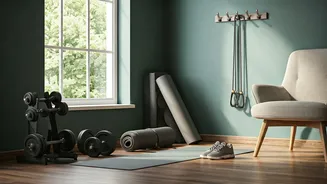
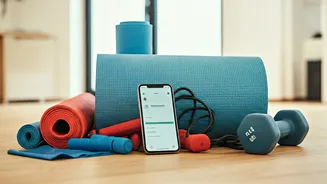
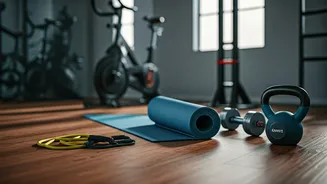
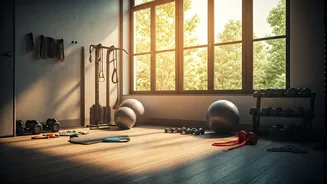
to reconsider their routines. Confined to their homes, people discovered a world of fitness that didn't require a commute or a membership card. What began as a temporary solution—following YouTube tutorials, downloading fitness apps, and investing in basic equipment like yoga mats and resistance bands—has since blossomed into a full-fledged movement. Many who made the switch out of necessity found they actually preferred the autonomy and flexibility of a home-based regimen, laying the groundwork for a lasting change in the nation's fitness culture.
Convenience Is the New King
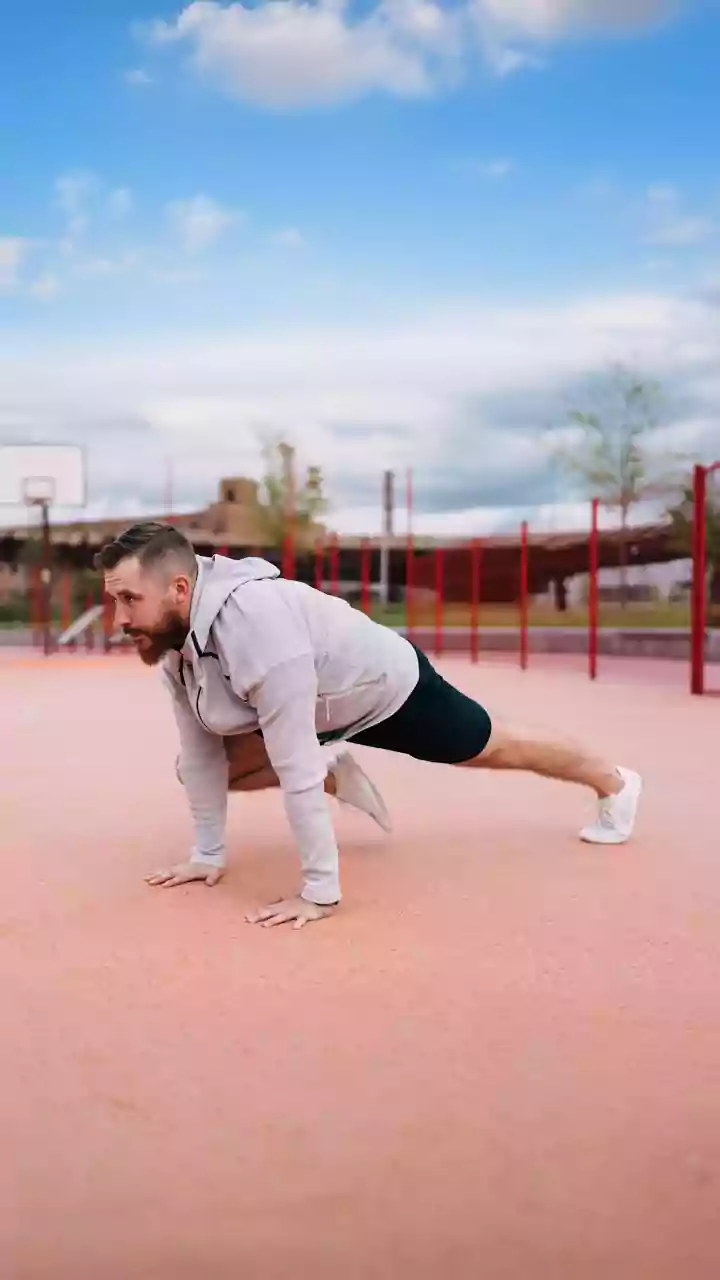
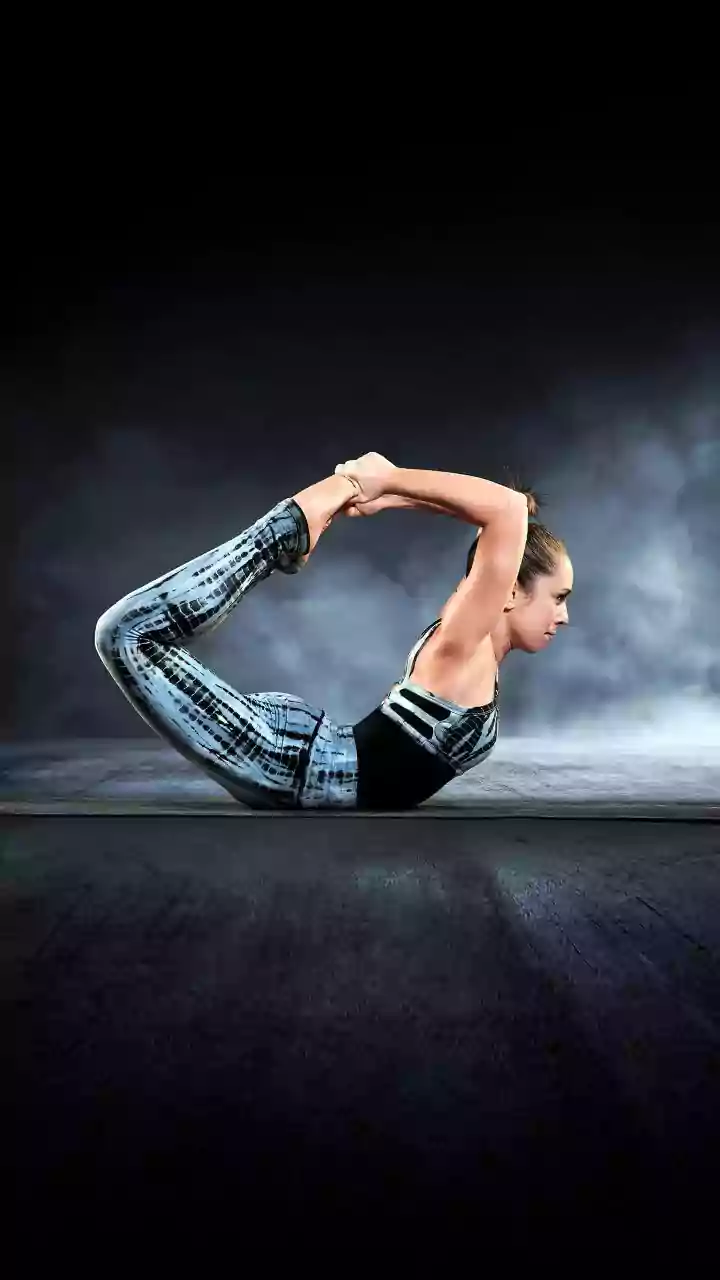
In the hustle and bustle of modern Indian life, time is the ultimate luxury. For many urban professionals, the biggest barrier to a consistent gym routine isn't the workout itself, but the logistics surrounding it. Factoring in traffic, travel time, and waiting for equipment can easily turn a one-hour workout into a two-or-three-hour commitment. Home training eliminates these hurdles entirely. The 'commute' is a few steps from the bedroom to the living room. There are no peak hours, no waiting for the squat rack, and no need to pack a gym bag. This unparalleled convenience allows people to seamlessly integrate fitness into their packed schedules, whether it’s a quick 20-minute HIIT session before work or a late-night yoga flow to de-stress. The ability to work out on one’s own terms, at any time, has proven to be a powerful draw.
Your Phone Is Your New Personal Trainer
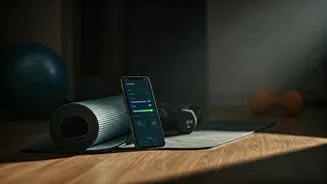
The home workout revolution would not be possible without technology. The smartphone has evolved into a powerful fitness tool, a digital gym that fits in your pocket. A burgeoning market of fitness apps now offers everything from personalised workout plans and nutrition tracking to live-streamed classes with world-class instructors. Companies like Cult.fit (formerly Cure.fit), Fittr, and countless international apps have brought structured, high-quality training directly into Indian homes. Beyond apps, platforms like YouTube and Instagram are flooded with free content from certified trainers and fitness influencers, democratising access to expert guidance. This digital ecosystem provides the variety, motivation, and structure that many feared they would lose by leaving the gym, making home workouts more engaging and effective than ever before.
The Changing Economics of Staying Fit
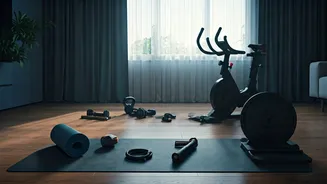
While gym memberships were once seen as a necessary investment in health, many are now re-evaluating the cost. A premium gym membership in a metro city can run into several thousand rupees a month. In contrast, many top-tier fitness apps offer subscriptions for a fraction of that price, while a wealth of content is available for free. Even with the initial investment in equipment like dumbbells, kettlebells, or a stationary bike, the long-term cost of a home gym setup can be significantly lower than years of recurring membership fees. This economic advantage, combined with the lack of long-term commitment, makes home fitness an attractive and accessible option for a much broader audience, from students to young families.
Is This the End of the Gym?
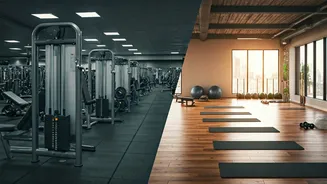
While the headline suggests a complete 'swap', the reality is more nuanced. The gym is not dead; it's evolving. Many fitness enthusiasts are adopting a hybrid model, complementing their home workouts with occasional gym visits for heavy lifting, specialised classes, or the social atmosphere. In response, gyms are repositioning themselves as premium community hubs, offering experiences that can't be replicated at home—think advanced machinery, swimming pools, and in-person community events. The trend towards home training is less about replacement and more about diversification. It signifies a fundamental shift where fitness is no longer confined to a single location but is a flexible, personalised practice woven into the fabric of daily life.