



A blocked nose is more than an annoyance; it can disrupt sleep and leave you feeling foggy. While many home remedies exist, not all are created equal. Here’s a look at which common measures have scientific support for easing nasal congestion.
Saline Nasal Rinses and Sprays
One of the
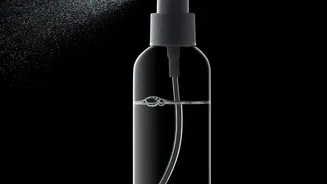
most consistently recommended and studied methods is nasal irrigation with a saline solution. This involves flushing the nasal passages with salt water using a neti pot, squeeze bottle, or bulb syringe. The evidence supporting this practice is strong. Saline helps by thinning thick mucus, making it easier to clear, and washing away allergens, bacteria, and other irritants from the nasal lining. Clinical studies have shown that saline irrigation can improve sinus drainage, reduce inflammation, and relieve symptoms of both acute and chronic sinusitis. A 2022 review of 69 studies concluded that nasal saline treatment is effective for most sinonasal diseases. For it to be safe, it's crucial to use distilled, sterile, or previously boiled water to avoid the risk of introducing dangerous organisms into the sinuses.
Using a Humidifier
Dry indoor air can irritate nasal passages and make congestion feel worse. A humidifier adds moisture back into the air, which can soothe dry sinuses, thin mucus, and make breathing more comfortable. The Mayo Clinic notes that a cool-mist humidifier may ease the stuffiness that comes with a common cold. The FDA specifically recommends cool-mist humidifiers over warm-mist versions, as warm mist can sometimes cause nasal passages to swell further. However, a humidifier is a comfort tool, not a cure. It’s also vital to keep the unit clean, as a dirty water tank can disperse mould and bacteria, potentially worsening respiratory issues. Maintaining a humidity level between 30% and 50% is considered ideal.
Staying Hydrated
The simple act of drinking enough fluids is a key supportive measure for managing congestion. Staying hydrated helps keep the mucus in your sinuses thin and watery, which promotes better drainage. When you're dehydrated, mucus can become thick and sticky, trapping irritants and making congestion worse. Warm liquids, such as tea, broth, or hot water with lemon, can be particularly soothing. The combination of the fluid and the steam from a hot beverage can help open up nasal passages, providing temporary relief. While it won't cure the underlying cause of your stuffy nose, proper hydration is a fundamental part of recovery.
Elevating Your Head
Gravity plays a significant role in nasal congestion, which is why a stuffy nose often feels much worse when you lie down. When you're horizontal, mucus can pool in your sinuses, increasing pressure and discomfort. Sleeping with your head and shoulders elevated can help promote natural drainage. Propping yourself up with an extra pillow or using a wedge pillow can keep your head above your heart, reducing blood flow to the head and helping to clear your nasal passages overnight. This simple positional change can make a noticeable difference in sleep quality when you're congested.
The Role of Steam Inhalation
Inhaling steam, either from a bowl of hot water or during a hot shower, is a popular home remedy. Many people find that it provides immediate, subjective relief by loosening mucus and soothing irritated nasal passages. However, the clinical evidence for its effectiveness is mixed, particularly for chronic conditions. One major study found that while saline irrigation helped relieve symptoms of chronic sinusitis, steam inhalation alone showed no significant improvement beyond reducing headaches. Other studies on its effect for the common cold have produced conflicting results, with some showing a benefit and others finding no effect compared to a placebo. While steam can offer temporary comfort, it is not considered a proven treatment for the underlying congestion.
What About Spicy Foods?
Many people reach for a spicy meal in the hopes of clearing their sinuses. It's true that capsaicin, the compound in chili peppers, can irritate mucous membranes and cause your nose to run. This can provide a feeling of temporary relief by breaking up congestion. However, this effect is short-lived and doesn't address the root cause of inflammation. For some individuals, especially those with certain types of irritation, spicy foods might even aggravate the issue. So, while it can offer a fleeting moment of clarity, it's best viewed as a temporary fix rather than a reliable remedy.