

A Five-Fold Leap in Ambition
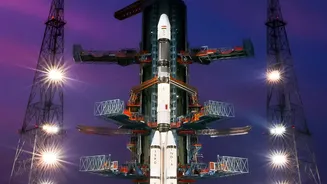
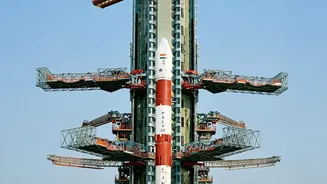
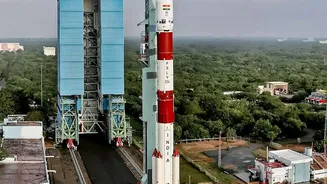
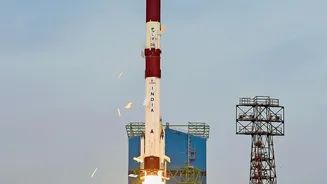
India's space sector is undergoing a monumental shift. For decades, a career in space meant one thing: a coveted position at the Indian Space Research Organisation (ISRO). Today, the landscape is unrecognisable. Driven by landmark policy reforms in 2020
that opened the doors to private enterprise, India's space economy is on a dramatic growth trajectory. Currently valued at around $8 billion, it is projected to surge to over $40 billion in the next decade. This growth is powered by a new ecosystem of over 400 private startups, a stark contrast to just a handful a few years ago. The government's establishment of IN-SPACe (Indian National Space Promotion and Authorisation Centre) as a single-window regulator has been pivotal, creating a clear framework for private companies to build, launch, and operate.
Meet the New Space Fleet
The new players are not just ancillary support; they are building core space infrastructure. Companies like Skyroot Aerospace, founded by former ISRO scientists, and Agnikul Cosmos are developing their own launch vehicles to carry small satellites into orbit. Agnikul, for instance, has developed the world's first single-piece 3D-printed rocket engine and established India's first private launchpad. Meanwhile, firms like Pixxel are deploying constellations of hyperspectral earth-observation satellites, providing data for agriculture, climate monitoring, and urban planning. Others like Dhruva Space offer full-stack solutions for building and launching satellites for clients. This diversification means the industry needs a wide array of talent to build everything from rockets and satellites to the ground systems that control them.
It's Not Just for Rocket Scientists
The most significant change for graduates is the sheer breadth of roles now available. While aerospace and mechanical engineers are still central, the new space economy is hungry for a diverse skillset. The vast amounts of data beamed down from satellites require data scientists and analysts to make sense of it all. Companies like SatSure use this data to provide analytics for sectors like agriculture and insurance. Software engineers are needed to write the code that operates spacecraft and processes information. The manufacturing of rockets and satellites calls for material scientists, electronics engineers, and robotics experts. As these startups grow into global businesses, they also need professionals in finance, marketing, legal, and human resources, creating opportunities for graduates from all academic backgrounds.
The Skills to Launch Your Career
For students aiming for a career in this sector, a strong foundation in engineering (aerospace, mechanical, electronics, computer science) is a traditional and powerful entry point. However, the real differentiator is specialised, practical knowledge. Experience with programming languages like Python and MATLAB, proficiency in data analytics and AI/ML, and an understanding of GIS and remote sensing are increasingly in demand. Industry experts note that while thousands of engineers graduate annually, there is a shortage of talent with niche skills in areas like propulsion and photonics. Beyond technical skills, startups value proactiveness, adaptability, and strong communication. Getting hands-on experience through university clubs, such as those for model rocketry or CubeSat projects, is highly valued by private firms.
How to Plot Your Trajectory
The path into India’s space sector is now multi-laned. The traditional route through the Indian Institute of Space Science and Technology (IIST) or ISRO's own recruitment exams remains a prestigious option. However, for those eyeing the private sector, the game has changed. Following companies like Skyroot, Agnikul, Pixxel, and Dhruva Space on professional networking platforms is crucial, as this is where much of the hiring happens. Internships are a key gateway to proving your skills and making connections. For graduates, entry-level engineering and data analysis roles in these startups offer competitive salaries and the excitement of working in a fast-paced, high-growth environment. This new ecosystem has created a dynamic talent market, with professionals moving between the private sector and ISRO, which helps accelerate innovation across the board.