




Why This Combination is Perfect
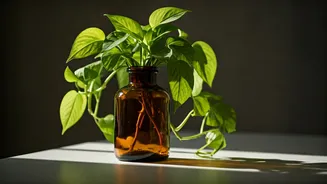
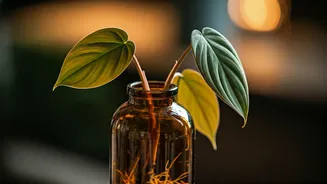
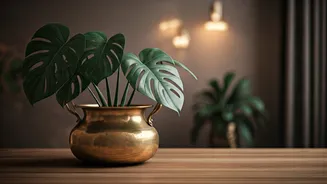
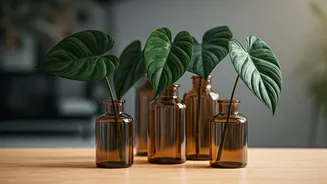
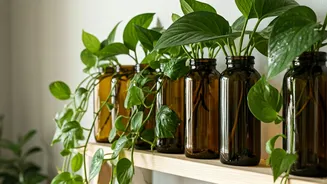
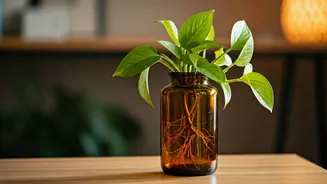
Before you even begin, it’s worth appreciating why this pairing is so brilliant. Aesthetically, the deep, warm tone of amber glass provides a stunning contrast to the bright, fresh green of Pothos leaves. It feels both vintage and modern, fitting seamlessly
into minimalist, bohemian, or rustic decor. Functionally, the match is even better. Pothos (Epipremnum aureum) is famously easygoing and one of the best plants for water propagation. It can happily live in water for months, even years, with minimal care. The amber glass isn't just for looks, either. Its dark tint helps to block some of the harsh light that can encourage algae growth in the water, keeping your setup cleaner for longer and protecting the plant’s developing roots from excessive sun exposure.
Gather Your Simple Supplies
The beauty of this project lies in its simplicity. You don’t need a long list of expensive materials. In fact, you probably have most of what you need already. Here’s a quick checklist: - **Amber Glass Bottles:** Look for old medicine bottles, beer or kombucha bottles, or syrup containers. Give them a thorough wash with soap and water to remove any residue and labels. Soaking them in warm, soapy water can help loosen stubborn labels and glue. - **A Healthy Pothos Plant:** You’ll be taking cuttings from a ‘mother’ plant. Choose one that is lush and has plenty of long vines. - **Clean Scissors or Pruning Shears:** You’ll need a sharp, clean tool to make a healthy cut. - **Water:** Room temperature tap water that has been left out for 24 hours (to allow chlorine to dissipate) is ideal, though most Pothos aren’t too fussy.
How to Take a Pothos Cutting
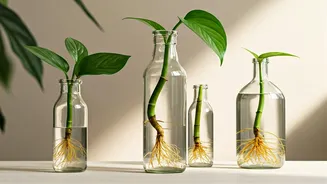
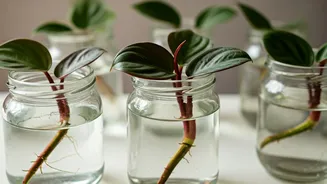
Creating new Pothos plants from cuttings is incredibly rewarding. To ensure your cutting will root successfully, follow these simple steps. Look for a healthy vine on your mother plant. Identify the nodes—these are the small brown bumps on the vine where leaves and aerial roots grow. A good cutting should have at least two to four leaves and several nodes. Using your clean scissors, make a cut about a quarter-inch below a node. The new roots will sprout from this point. You can take several cuttings to create a fuller-looking arrangement or to start multiple planters at once. Gently remove the lowest leaf on the cutting—the one closest to the cut end. This prevents the leaf from rotting in the water.
Setting Up Your Planter (The No-Cut Method)
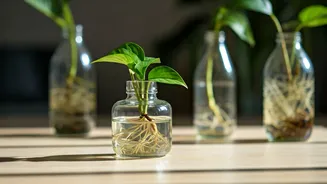
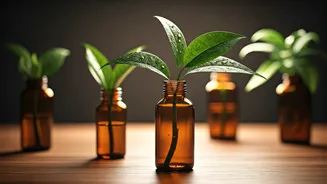
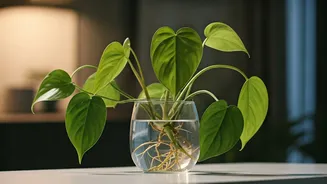
While some online tutorials show people cutting glass bottles, this can be a difficult and dangerous process without proper equipment and safety gear. The easiest and safest method is to simply use the bottles as they are, like a single-stem vase. This approach is chic, simple, and requires no special tools. Fill your clean amber bottle with room-temperature water until it’s about three-quarters full. Gently place your Pothos cutting into the bottle, ensuring that the cut end and at least one or two nodes are submerged in the water. The remaining leaves should be above the waterline. And that’s it! Place your new planter in a spot that receives bright, indirect light. A north or east-facing window is perfect. Avoid direct, intense sunlight, which can scorch the leaves.
Long-Term Care for Your Water-Grown Pothos
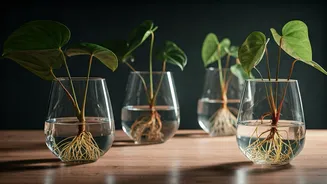
Your Pothos can thrive in its glassy home for a very long time with just a little attention. You should start to see new roots forming within a couple of weeks. To keep your plant healthy, change the water every one to two weeks. This replenishes oxygen and prevents the water from becoming stagnant. Simply pour out the old water and refill with fresh, room-temperature water. While tap water contains some micronutrients, it won’t sustain the plant forever. After about a month, or once you see a healthy root system established, you can start adding a very small amount of balanced liquid houseplant fertilizer to the water. Use it at a quarter of the recommended strength and only add it once a month to avoid overwhelming the plant.