

What Exactly Is Friselle?
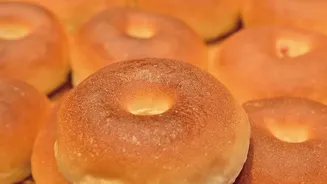
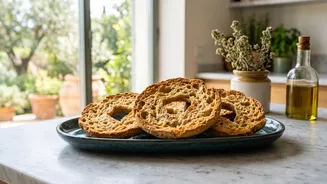
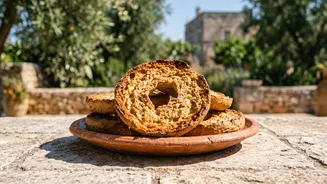
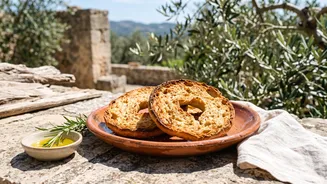
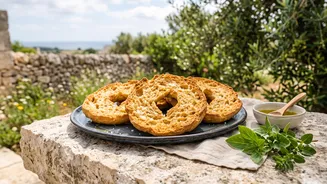
At first glance, a frisella might look like a rustic, hardened bagel. It’s a ring-shaped bread, typically made from durum wheat or barley flour, that is famously hard and dry to the touch. Hailing from the southern regions of Italy, particularly Puglia,
friselle (the plural form) are not meant to be eaten as is. Instead, they are a culinary canvas, designed to be rehydrated and topped with fresh ingredients. Their unique, porous texture comes from being sliced in half horizontally after the first bake, creating one side that's smooth and another that is rough and perfect for soaking up liquids and toppings. This ancient bread is a testament to the resourcefulness of Italian 'cucina povera' or peasant cooking.
The Art of the Double Bake
The secret to friselle's longevity lies in its name. The bread is 'biscottato', which translates to twice-cooked or twice-baked. The process begins like many other breads: a dough of flour, water, yeast, and salt is kneaded, shaped into rings, and baked. But here’s where it differs. After this first bake, which takes about 15 to 25 minutes, the still-warm rings are removed from the oven and carefully sliced in half horizontally. These halves are then returned to the oven for a second, longer bake at a lower temperature. This slow-and-low second round is crucial, as its purpose is to draw out nearly all of the remaining moisture, rendering the bread incredibly dry and hard.
The Simple Science of Preservation
The double-baking method is a brilliant, low-tech form of food preservation. Microorganisms like mold and bacteria, which cause food to spoil, need water to survive and multiply. By baking the bread twice, the moisture content is reduced so significantly that these microbes can't get a foothold. This makes the friselle shelf-stable for weeks, or even months, as long as they are kept in a dry place. It’s the same principle behind other durable foods like rusks or biscotti, which also translates to 'twice-cooked'. This process transformed a perishable staple into a reliable food source that could endure long periods without refrigeration.
A Bread Born of Necessity
Friselle's origins are deeply practical. It was the food of people on the move. For centuries, it was a staple for fishermen from Puglia heading out to sea for days at a time and for farmers working in remote fields. Sometimes called 'the bread of the Crusaders', its durability made it the perfect provision for long journeys. Sailors could easily pack the durable rings, and according to lore, would rehydrate them with a quick dip in seawater before topping them with a drizzle of olive oil. In farming communities, different flours signified social standing; friselle made from barley were for the poor, while those made with refined wheat were a luxury for wealthier families.
Bringing Friselle to Your Table
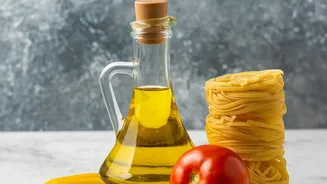
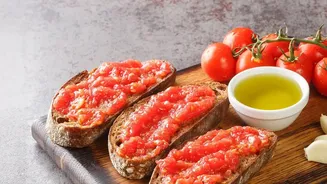
Enjoying friselle today is a ritual that connects you to its history. The process, known in Italy as 'sponzare', involves rehydrating the bread. You shouldn't soak it for long; a quick dip or pass under cold running water for just a few seconds is all that's needed. The goal is to soften the interior while leaving a slight crunch at the edges. Once moistened, the classic topping is a simple celebration of Mediterranean flavours: fresh, chopped cherry tomatoes, a generous pour of extra-virgin olive oil, a sprinkle of salt, and a pinch of oregano or fresh basil. From there, the possibilities are endless, with modern variations including tuna, anchovies, creamy burrata, or even sweet toppings.