





The Undeniable Pull of Bulk Buying
Walking past the towering stacks of economy-sized essentials, the logic feels simple: more for less. The per-unit price is lower, it means fewer trips to the grocery store, and there's a sense of security in having a well-stocked pantry. For large families
with ample storage, this model works beautifully. The appeal is rooted in efficiency and frugality, promising to stretch your budget further. Companies often package items this way to reduce their own costs, passing some savings to the consumer. This cycle has trained us to see bigger as better value, a belief that holds true only when every last grain or gram is consumed.
The Humidity Hazard: A Silent Spoilage Agent
In many parts of India, humidity is a year-round reality. This moisture in the air is a major enemy of dry goods. Large, opened bags of flour, dal, spices, and snacks are highly susceptible. Once exposed, they can absorb atmospheric moisture, leading to clumping, mould growth, and bacterial contamination. This drastically shortens their shelf life, long before the printed expiry date. Even if the food looks fine, it can develop a stale taste. Items like whole spices last longer than ground ones, but both suffer in humid conditions. The 10kg bag of atta you bought to save money becomes a 5kg waste when half of it spoils, negating any initial savings.
The Space Crunch in Modern Homes
Urban Indian homes, particularly apartments in metro cities, are often designed for efficiency, which can mean limited storage space. That giant bag of rice or bulk pack of biscuits needs a home, and finding a suitable one can be a challenge. Storing items improperly—on the floor, near a stove, or in direct sunlight—only accelerates spoilage. More often, these large packages create clutter in the kitchen, making it harder to see what you have. This leads to the 'out of sight, out of mind' phenomenon, where items get buried and forgotten until they expire. A cluttered pantry makes meal planning difficult and can even lead to repurchasing items you already own but couldn't find.
The Psychology of Abundance
Having a large quantity of a particular food can subconsciously alter your consumption habits. Studies and consumer experts suggest that when we have a surplus of something, especially snack foods, we tend to use it more liberally. That family-sized pack of chips might disappear faster than smaller, individual packs would have. This isn't about a lack of discipline; it's a well-documented psychological response to abundance. Instead of saving food, you end up consuming more of it, which can impact both your budget and your health. The perceived value of the bulk purchase is lost if it encourages overconsumption.
Smarter Strategies for Savvy Shoppers
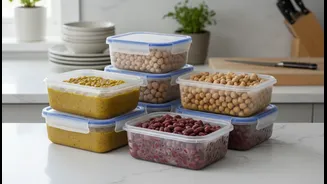
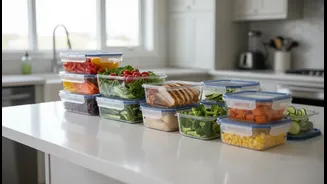
Rethinking your shopping habits doesn't mean abandoning savings. It means tailoring your strategy to your lifestyle. First, always transfer bulk goods from their original sacks into smaller, airtight containers immediately after purchase. This protects them from humidity and pests. For those in small homes, consider 'community bulk buying'—splitting a large bag with a friend or family member. Prioritise non-perishable items for bulk purchases, while buying perishables in smaller quantities more frequently. Always take inventory of your pantry before shopping to avoid buying duplicates. Ultimately, the smartest purchase is one that you can store properly and consume completely.