




An Old Fight with a New Weapon
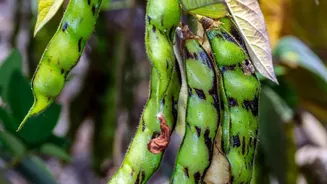
Plant pests and diseases are a massive global problem, destroying up to 40% of food crops annually and costing the global economy billions. In Punjab, the heartland of India's agriculture, farmers know this struggle intimately. Pests like bollworms in cotton
or fungal diseases like yellow rust in wheat can devastate yields, threatening livelihoods. Traditionally, identifying these threats required either years of experience or waiting for an agricultural expert to visit the farm, by which time significant damage could already be done. This delay between detection and action is where fortunes are often lost. But a quiet digital revolution is changing this dynamic, putting expert-level diagnostics directly into the hands of those who need it most.
An Expert in Your Pocket
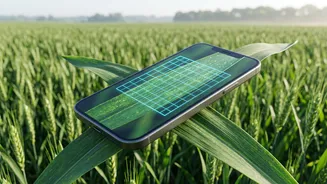
The solution is elegant in its simplicity. Using specialized mobile apps, a farmer can simply take a photo of a suspect plant leaf or stem. The application, powered by artificial intelligence, analyzes the image in seconds. It uses computer vision to compare the visual data—such as discoloration, spots, or unusual textures—against a massive database of thousands of images of healthy and diseased plants. The AI model identifies the likely disease or pest with a high degree of accuracy and provides an instant diagnosis. What once took days of uncertainty now happens in the time it takes to snap a picture.
Smarter Advice, Not Just More Chemicals
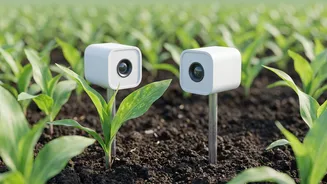
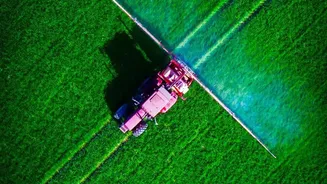
These AI tools do more than just name the problem; they offer a solution. After identifying a disease, leading apps provide actionable advice and recommend specific treatments. This guidance is often tailored to the crop type and local conditions. This represents a major shift away from broad, preventative spraying of expensive pesticides. By enabling a targeted response, farmers use fewer chemicals, which lowers their costs and reduces the environmental impact of farming. Some applications, like the CottonAce app developed by the Wadhwani Institute for Artificial Intelligence, even use photos from pest traps to determine the severity of an infestation and give precise advice on when and what to spray.
Built for the Realities of Rural India
For this technology to be truly transformative, it must be accessible. Developers have focused on creating what is known as “small AI”—affordable tools designed to solve specific, local problems. A key innovation has been making these apps functional even in areas with poor or no internet connectivity. Apps like 'Fasal Doctor' are built to perform all their analysis directly on the smartphone, eliminating the need to send data to the cloud. This offline capability is crucial for farmers in remote areas. Furthermore, local institutions like the Punjab Agricultural University (PAU) have developed their own platforms, such as the PAU Kisan App, which provides advisories, weather updates, and information in local languages like Punjabi, ensuring the technology is user-friendly and relevant.
The Road Ahead
The adoption of AI in Indian agriculture is not without challenges. Digital literacy, consistent access to smartphones, and ensuring the AI models are continuously trained on local crop varieties and new emerging diseases are all hurdles to overcome. However, the movement is gaining momentum. Collaborations between research institutes, non-profits like Wadhwani AI, and agritech startups are expanding these tools across the country. Initiatives from major tech players are also helping to map farmland and provide hyperlocal advisories at a massive scale. The success of these low-cost smartphone sensors proves that innovation doesn't have to be complex or expensive to be revolutionary. For Punjab's farmers, it's already making a world of difference.