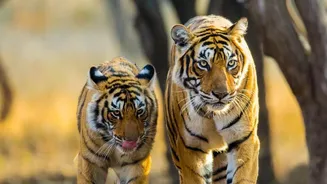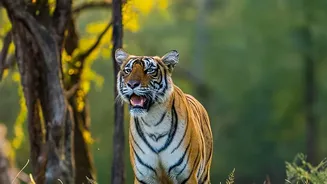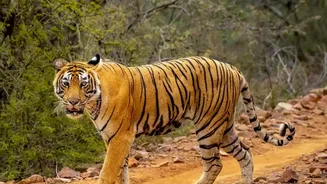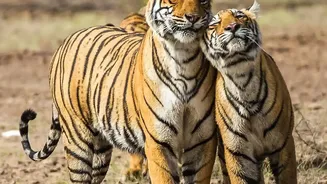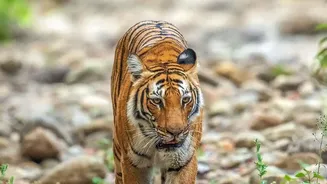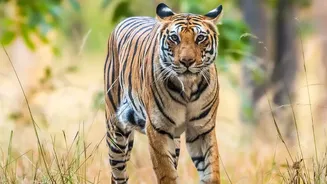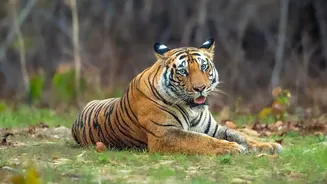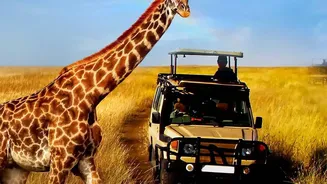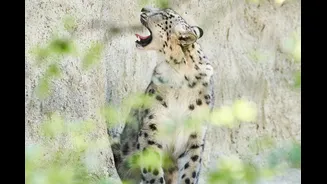

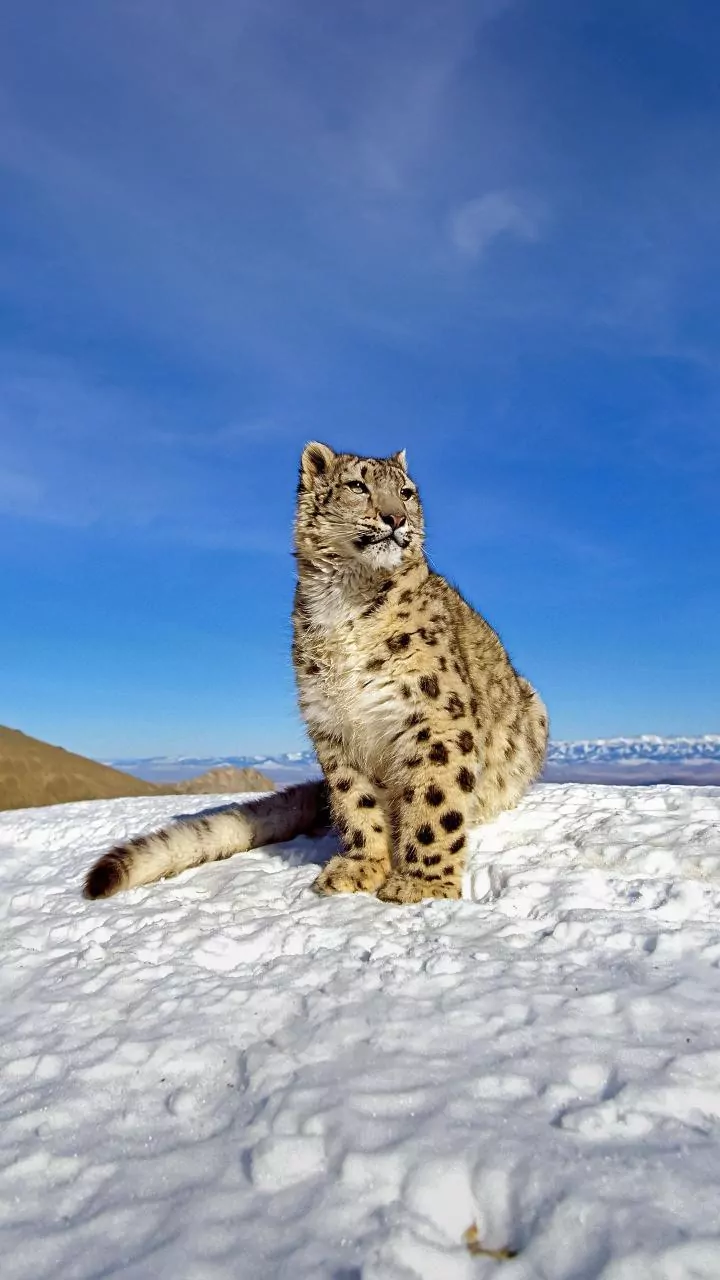

The crisp winter air, the golden morning light, and the thrill of the chase. An Indian winter safari is a magical experience, offering some of the best opportunities to witness the country’s majestic big cats in their natural habitats.
Why Winter is Prime Time for Big Cats
The cooler months,
roughly from October to March, are widely considered the best time for a comfortable safari experience in India. The pleasant weather makes for enjoyable early morning and afternoon drives in an open-air vehicle. Furthermore, the vegetation thins out after the monsoon, and as water sources begin to dry up, animals are more frequently seen in the open, often basking in the sun on cold mornings or congregating near remaining lakes and rivers, which can significantly improve sighting opportunities.
Ranthambore National Park, Rajasthan: Tigers Among Ruins
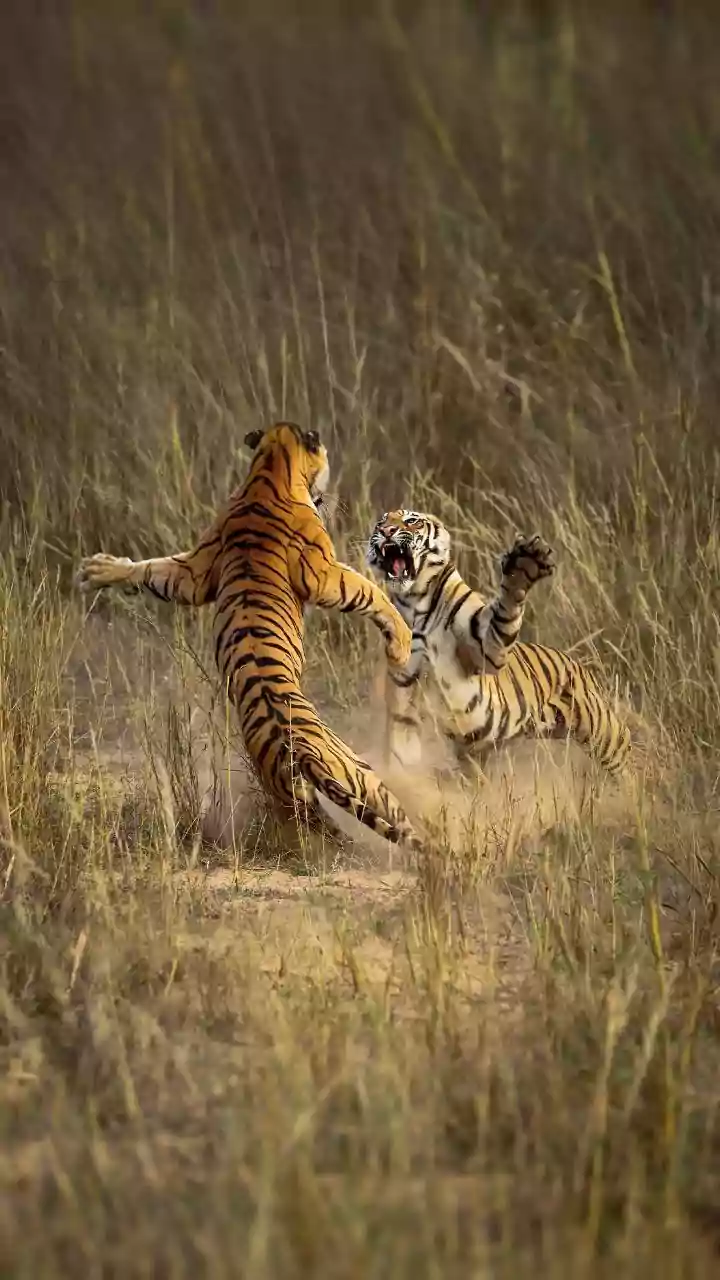
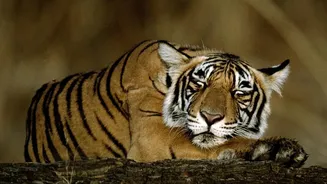
Ranthambore is one of India's most famous and busiest tiger reserves, known for a dramatic landscape where wild tigers roam among the ruins of a 10th-century fort. Located conveniently near Jaipur, it's an accessible park for those exploring the Golden Triangle. Winter offers cool weather and beautiful light for photography, with tigers often spotted near the park’s many lakes. Safaris are conducted in zones, and while sightings are never guaranteed, zones 1 to 5 are considered the core area with historically frequent activity. Due to its popularity, it's crucial to book safari permits well in advance, especially for winter weekends and holidays.
Bandhavgarh National Park, Madhya Pradesh: A Tiger Hotspot
For those whose primary goal is to see a tiger, Bandhavgarh is often the top recommendation. It boasts one of the highest densities of Bengal tigers in India, which translates into excellent sighting probability. The park’s terrain of sal forests, grasslands, and rocky hills, centred around an ancient fort, provides a rich habitat for tigers and a variety of other wildlife. The winter months of November to February are ideal for comfortable safari conditions, though the hotter months of March to May often yield the most consistent sightings as animals gather at waterholes. Along with tigers, the park has a healthy breeding population of leopards, though they are more elusive here.
Jawai Leopard Hills, Rajasthan: The Land of Open Leopards
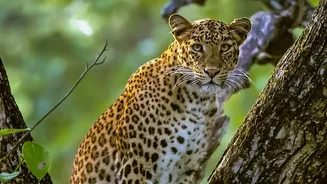
Jawai offers a truly unique safari experience, distinct from India's national parks. It is not a fenced reserve but a landscape of granite hills and community land where leopards and humans coexist. The leopards here live in caves among the rocks and are known to be less shy than in other areas, resulting in a very high probability of sightings, often during dawn and dusk. This conservation reserve in Rajasthan is a fantastic destination for those specifically hoping to see the elusive leopard in a dramatic, open setting. The winter season, from October to March, provides cool, comfortable weather and is also an excellent time for birdwatching around the Jawai Dam.
Nagarhole National Park (Kabini), Karnataka: Leopards and More
Part of the Nilgiri Biosphere Reserve, Nagarhole, particularly the area around the Kabini River, is one of South India’s premier wildlife destinations. It is renowned as a hotspot for both leopards and tigers. In fact, it's often cited as one of the best places in the country to see a leopard, and is even home to a famous melanistic leopard, or black panther. The habitat of lush forests and backwaters supports a huge diversity of wildlife, including large herds of Asiatic elephants. The park offers both traditional jeep safaris and boat safaris on the Kabini River, which provides a different perspective for wildlife viewing. Winter is a prime season, with the dry period from November to May offering great sighting opportunities.
Tips for Your Winter Safari
When planning your trip, remember to book your safaris and accommodation well in advance, as winter is a popular season. For early morning drives, especially in Northern and Central India, dressing in warm layers is essential, as it can be surprisingly cold in an open vehicle before the sun comes up. Opt for muted colours like beige, olive, and brown. Patience is key; while these locations offer great chances, wildlife sightings are a matter of luck. Respect the forest, listen to your guide, and enjoy the entire experience, not just the pursuit of a single animal.