


From Niche Sport to Mainstream Habit
Originally developed in the 1930s as a summer training method for Finnish cross-country skiers, Nordic walking was for decades the domain of serious athletes. It uses specially designed poles to engage the upper body, turning a simple walk into a comprehensive
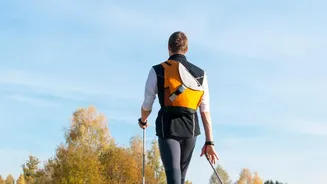
workout. But in recent years, this activity has broken free from its high-performance origins. Today, you are just as likely to see people of all ages using poles in local parks as you are to see athletes training with them. This is the “everyday fitness shift”: the recognition that Nordic walking is a highly effective, low-impact exercise accessible to almost everyone, from young professionals to active seniors. This shift has been so profound that the technique and equipment have evolved to become more user-friendly than ever before.
The 'Everyday Fitness' Advantage
Why has it become so popular? The benefits speak for themselves. Unlike regular walking, which primarily works the lower body, Nordic walking engages up to 90% of your body's muscles, including your arms, shoulders, chest, and core. This increased muscle engagement means you burn significantly more calories—studies suggest anywhere from 20% to over 60% more than walking without poles at the same pace. Furthermore, the poles provide support and stability, reducing the load on your knees and hips, making it an ideal activity for those with joint concerns or anyone looking for a low-impact cardio option. It also naturally encourages better posture, helping to counteract the slump from long hours spent at a desk.
Your First Pair of Poles: What Really Matters
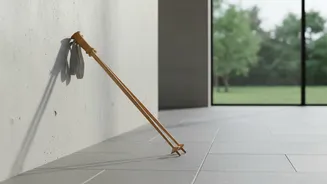
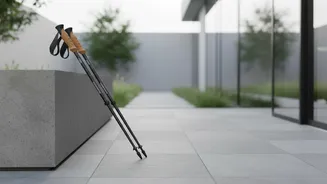
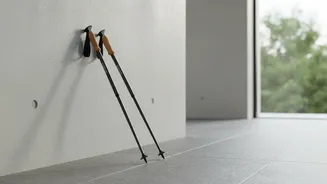
The good news about this mainstream shift is that you don’t need to invest in professional-grade equipment to get started. The most crucial decision is choosing the right poles, but simple and effective options abound. First, ensure you're buying Nordic walking poles, not trekking poles. Trekking poles are designed for stability on hikes, while Nordic poles are engineered for forward propulsion. For beginners, adjustable-length poles made from durable aluminum are an excellent and affordable choice. They allow you to find the perfect height (your elbow should be at a 90-degree angle when holding the grip with the pole tip on the ground) and can be shared with family members. Pay attention to the grip and strap system; a comfortable grip and a glove-like strap that supports your hand will make the technique feel much more natural.
Beyond the Poles: Keeping It Simple
One of the most appealing aspects of Nordic walking as an everyday fitness tool is the minimal need for other specialized gear. If you have a comfortable pair of walking or running shoes and breathable activewear, you're already set. There's no need for expensive, technical clothing. Most Nordic poles come with removable rubber 'paws' or 'boot tips' that fit over the metal spikes at the end. These are essential for walking on hard surfaces like pavement or sidewalks, providing grip and absorbing shock, while the spikes are better suited for trails, grass, or sand. The focus is on getting out and moving, not on acquiring a whole new wardrobe of gear.
When to Upgrade (and Why You Might Not Need To)
As you become more comfortable with the technique, you might wonder if it’s time to upgrade your equipment. More advanced poles are typically made of carbon fibre, which makes them lighter and better at dampening vibrations. This can reduce arm fatigue on very long walks and is a worthy investment for dedicated enthusiasts. Some experienced walkers also prefer fixed-length poles for their lighter weight and rigidity. However, for the vast majority of people enjoying Nordic walking for its daily health benefits, a good-quality pair of aluminum poles is more than sufficient. The biggest gains come from consistent practice and proper technique, not from owning the most expensive equipment. The evolution of Nordic walking proves that getting a great workout doesn't have to be complicated or costly.