




Jonty Rhodes: The Man Who Taught Cricket to Fly
No conversation about great fielders can begin without Jonty Rhodes. The South African didn't just play at backward point; he owned it, transforming the position into a danger zone for batsmen. Before Rhodes, fielding was often seen as a secondary discipline.
He made it an attacking weapon. His most iconic moment remains the flying run-out of Inzamam-ul-Haq during the 1992 World Cup—a horizontal, full-stretch dive that saw him crash into the stumps. This single act of athleticism redefined what was possible on a cricket field. Rhodes made diving saves and improbable catches his trademark, forcing a generation of cricketers and coaches to rethink the importance of agility and commitment. He was known to get man-of-the-match awards for his fielding alone, a testament to his game-changing impact. Even at 55, he has been seen making stunning stops in veterans' leagues, proving that class is permanent.
Ricky Ponting: The Aggressive Mastermind
Ricky Ponting was a force of nature. As a batsman, he was phenomenal, but as a fielder, he was terrifying. Patrolling the infield, typically at cover or point, Ponting combined blistering speed with a famously accurate and powerful throwing arm. He is credited with some of the highest numbers of run-outs in ODI cricket, often with breathtaking direct hits that left batsmen stranded. His anticipation was second to none, allowing him to turn half-chances into wickets and certain boundaries into singles. While leading one of Australia’s most dominant eras, Ponting’s intensity in the field set the standard for his team. He wasn't just a fielder; he was a captain who led by example, demanding excellence and often providing it himself with a spectacular catch or a lightning-fast run-out that could swing the momentum of a match.
Ravindra Jadeja: The Modern-Day 'Rockstar'
Arguably the best all-round fielder in the modern game, Ravindra Jadeja is a complete package. Whether he is prowling the infield or guarding the boundary, 'Sir Jadeja' possesses a unique combination of speed, anticipation, and a throwing arm that is both flat and deadly accurate. His ability to hit the stumps directly, often while off-balance, has made him one of the most feared fielders for any batsman attempting a quick single. Jadeja has exceptionally safe hands, rarely dropping a catch, and has a knack for pulling off spectacular diving efforts that seem to come from nowhere. In an interview, Jonty Rhodes himself named Jadeja as the best fielder in modern cricket, highlighting his ability to field anywhere and influence the game with his speed across the turf. He makes difficult plays look routine, a hallmark of a true master.
Mohammad Kaif: The Pioneer of a New Indian Era
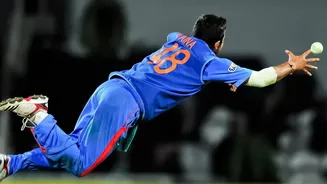
Alongside Yuvraj Singh, Mohammad Kaif revolutionised Indian fielding in the early 2000s. At a time when Indian fielding standards were not always the highest, Kaif was a revelation in the cover and point regions. He was electric, known for his acrobatic dives and unwavering commitment. Kaif explained that many Indian players of his era were hesitant to dive on the rough, uneven grounds they grew up on, fearing injury. He and Yuvraj were exceptions who brought a new, fearless energy to the field. His most famous contribution with the bat came in the 2002 NatWest Series final, but it was his consistent, high-energy fielding that often saved dozens of runs and put immense pressure on the opposition. He demonstrated that fielding could be a specialist skill and inspired a cultural shift in Indian cricket.
The Specialists: Masters of Their Craft
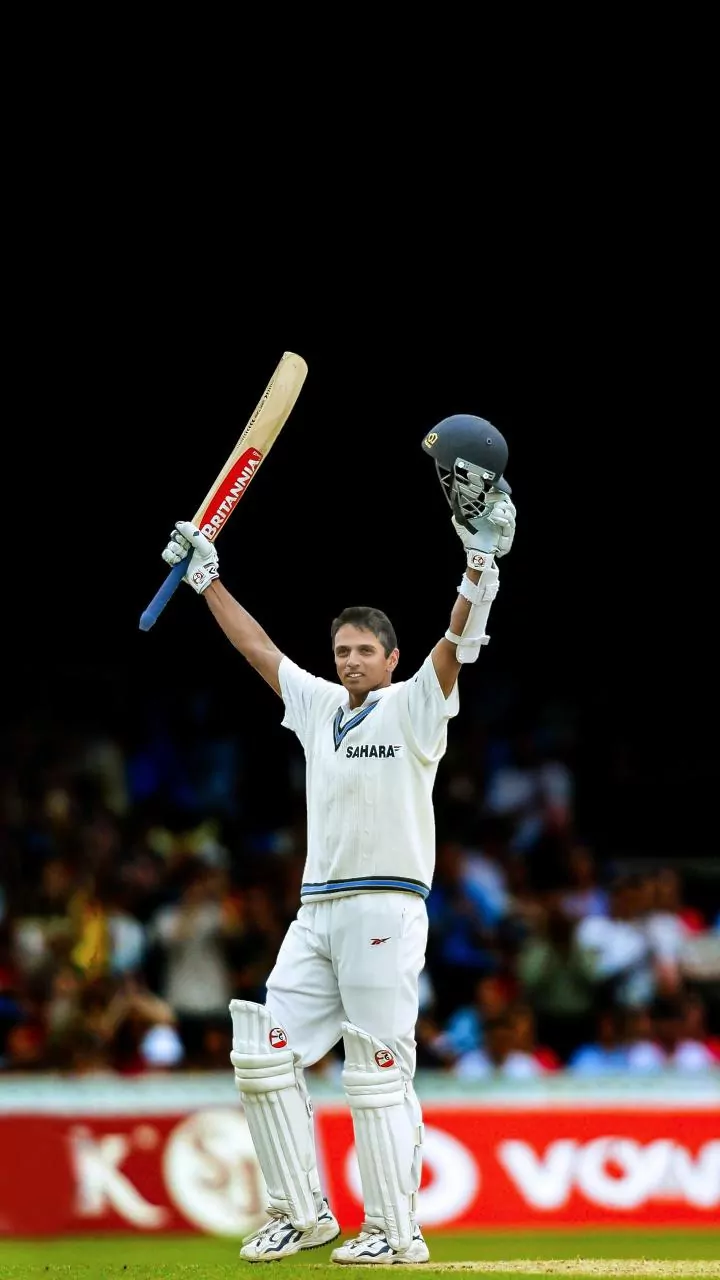
Beyond the all-round dynamos, cricket has seen phenomenal specialists. Paul Collingwood of England was considered a master at backward point, with fielding often cited as his strongest attribute. In the slip cordon, players like Australia's Mark Waugh and India's Rahul Dravid were legendary for their incredibly safe hands and intense concentration. Dravid holds the record for the most catches by a non-wicketkeeper in Test history. In the modern era, players like AB de Villiers showcased incredible versatility, capable of breathtaking saves anywhere on the field. South Africa's Herschelle Gibbs continued the legacy started by Rhodes, with his lightning speed and athleticism making him a constant threat in the outfield. These players prove that whether in the air, on the ground, close to the bat or on the rope, fielding brilliance comes in many forms.