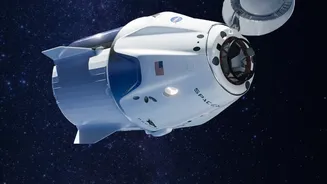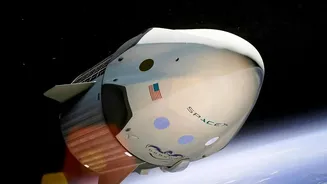






After 37 days at the International Space Station, SpaceX's Dragon capsule has returned, splashing down safely and bringing with it a precious cargo of scientific research that could unlock new discoveries here on Earth.
A Perfect Pacific Splashdown
The SpaceX CRS-35 mission officially
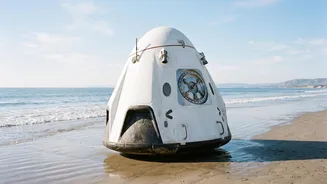
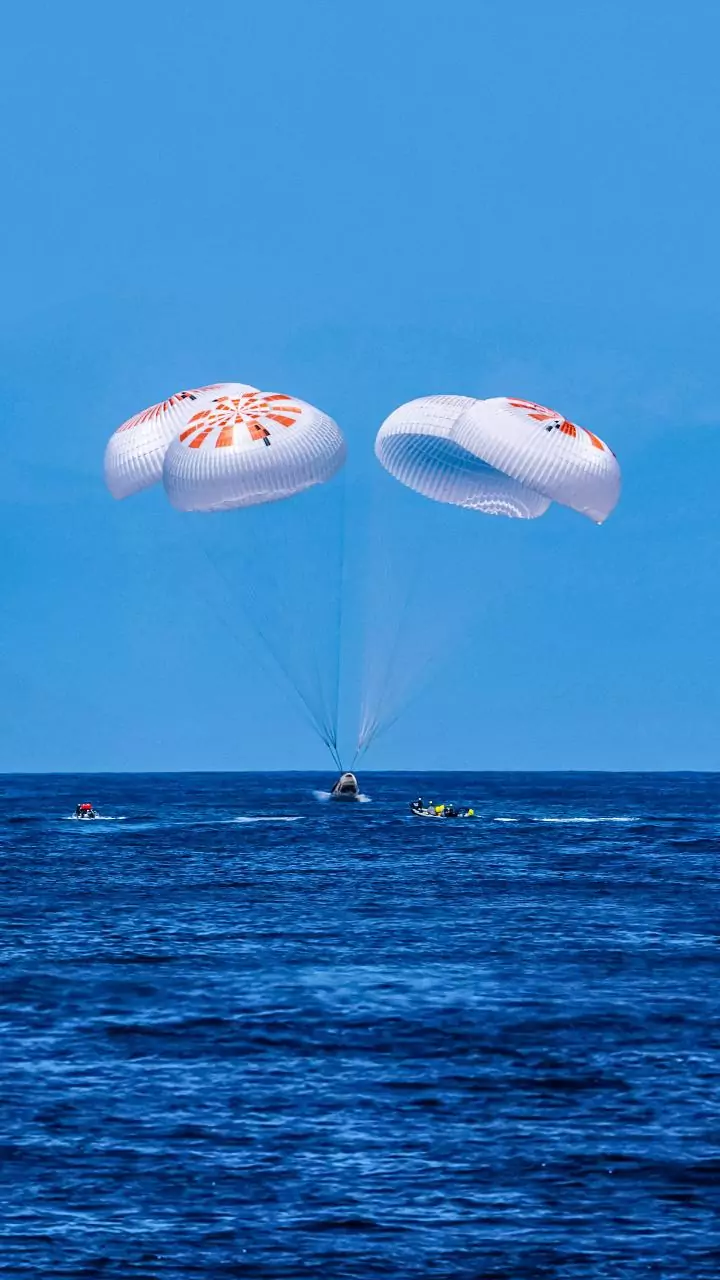
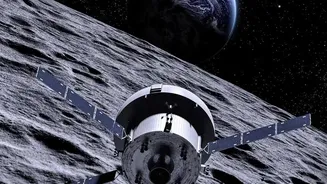
concluded on November 21 with the successful splashdown of its Dragon cargo spacecraft in the Pacific Ocean, off the coast of California. The uncrewed capsule de-orbited and streaked through Earth's atmosphere before deploying its parachutes for a gentle landing on the water's surface at approximately 5:03 p.m. EST. The capsule had undocked from the International Space Station (ISS) about 29 hours earlier, on November 20, beginning its solo journey home. A recovery ship, MV Shannon, was stationed nearby to hoist the capsule from the ocean, a critical first step in a race against time to preserve the valuable science experiments onboard.
The Precious Cargo: Science in a Box
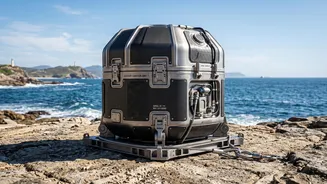
While the Dragon spacecraft delivered over 2,800 kilograms of supplies and hardware to the ISS when it launched in October, its return journey is arguably even more critical. Dragon is currently the only cargo vehicle capable of bringing a significant mass of research and hardware back to Earth intact. This mission returned thousands of pounds of scientific samples, many of which are time-sensitive and require cold storage. The cargo included a wide range of experiments aimed at improving life on Earth and protecting astronaut health on future long-duration missions. Key investigations returning from orbit include studies on how microgravity affects human health, materials science, and plant biology.
From Microgravity to the Microscope
Among the key experiments now back in scientists' hands are 3D-bioprinted blood vessel constructs used to study cardiovascular disease and the aging process. Another study, called Tumor AVatars in Space (TAVIS), used organoids grown from cancer patient cells to see how they respond to chemotherapy in a weightless environment, which could lead to more personalized cancer treatments. Researchers will also analyze samples from an experiment that grew human heart-tissue models to see if space helps vascular networks form, improving how we test new drugs for heart conditions. Upon recovery, these temperature-sensitive experiments are rushed to NASA's facilities for distribution to research teams around the world, ensuring the data gathered in space is not compromised.
The Power of Commercial Partnership
The CRS-35 mission is the 35th such flight contracted by NASA to SpaceX as part of the Commercial Resupply Services program. This partnership has become the backbone of ISS logistics, providing a reliable and cost-effective way to keep the orbiting laboratory stocked and to bring the fruits of its research home. While other cargo vehicles like Northrop Grumman's Cygnus deliver supplies, they are designed to burn up on reentry, making SpaceX's reusable Dragon a unique and indispensable tool for the scientific community. This particular Dragon capsule was a veteran of spaceflight, having previously completed three other resupply missions (CRS-26, CRS-29, and CRS-33), demonstrating the efficiency of reusable spacecraft.