


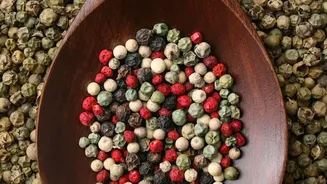
Black pepper, or Kali Mirch, is the undisputed king of spices in Indian kitchens. But its high value makes it a prime target for adulteration. A few simple checks can ensure the peppercorns in your masala dabba are pure, potent, and safe to consume.
The Visual Inspection: What to Look For
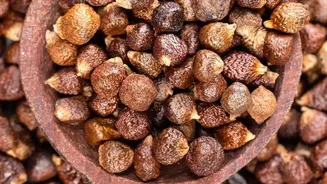
The
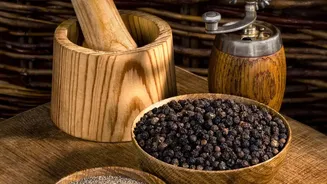
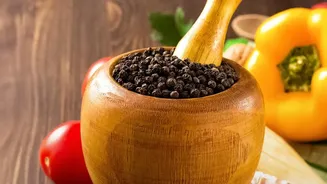
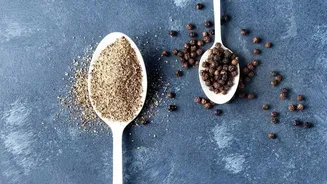
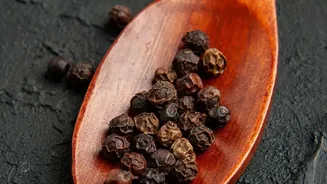
first and simplest test begins with your eyes. Spread a spoonful of peppercorns on a white plate and observe them closely. Pure, high-quality black pepper should have a relatively uniform appearance. The berries will be dark brown to black, with a distinctly wrinkled surface. The most common adulterant is dried papaya seeds, which are added to increase bulk. At a glance, they look similar, but a closer look reveals key differences. Papaya seeds are often slightly oval or elongated, whereas peppercorns are round. Their surface is smoother with finer ridges, and they may have a greenish-brown or dull brown hue instead of the deep black of a true peppercorn. Any peppercorns that look unnaturally shiny might be coated with mineral oil.
The Simple Water Test
One of the most effective methods, recommended by the Food Safety and Standards Authority of India (FSSAI), is the water test. Fill a clear glass with plain water and add a spoonful of your peppercorns. Stir gently and let them settle for a minute. Good, dense peppercorns will sink to the bottom. Adulterants like dried papaya seeds are less dense and will typically float to the surface. This test will also expose light or hollow peppercorns—immature berries that lack flavour—which may also float. While a few floating berries aren't necessarily a cause for alarm, a significant number of floaters is a clear warning sign that your pepper has either been adulterated or is of poor quality.
The Crush, Smell, and Taste Test
Your other senses are powerful tools for detecting fraud. Take a single peppercorn and press it firmly. A mature peppercorn is hard and will crack under firm pressure, while papaya seeds are softer and crush more easily. Once crushed, smell the result. Pure black pepper releases a sharp, pungent, and aromatic fragrance. Papaya seeds, on the other hand, have a much milder, sometimes bitter or mustard-like scent that is distinctly different from pepper. If you rub a few peppercorns in your palm and detect a faint kerosene-like smell, they may have been coated with mineral oil to give them an artificial shine. Finally, a taste test confirms it all: pure pepper has a characteristic sharp heat that lingers, while adulterants will taste bland or repulsive.
Detecting Other Unwanted Additives
While papaya seeds are the most common imposter, other substances can find their way into your pepper supply. Unscrupulous sellers sometimes coat peppercorns in mineral oil to make them appear glossier and heavier. To check for this, rub a few peppercorns vigorously on a white piece of paper. If an oily or greasy stain appears, your pepper has likely been coated. For pre-ground pepper, the risk of adulteration is even higher, with fillers like sawdust or bran being common. A quick test for ground pepper is to sprinkle a small amount on the surface of a glass of water. Pure spice will generally settle, while lightweight fillers like sawdust will float.
Why Purity Matters More Than Flavour
Getting cheated on flavour and aroma is frustrating, but the health implications of consuming adulterated spices are a far greater concern. While eating a few papaya seeds is unlikely to cause harm, you are being cheated on value. The larger issue is the unknown. The use of mineral oil, for example, is problematic as non-food-grade versions can contain harmful impurities. In some cases, adulterants can include synthetic dyes or other toxic substances that pose long-term health risks, including stomach irritation and digestive toxicity. Ensuring your spices are pure is a critical step in ensuring the food you cook is not only delicious but also safe for your family.