



The Perfect Khichdi Foundation
Before diving into variations, it's essential to understand the basics. A great khichdi starts with a balanced ratio of rice and lentils, typically moong dal for its easy digestibility. The standard combination is often equal parts rice and dal, or a little
more dal for a protein boost. This mixture, when cooked down, creates a creamy, porridge-like consistency that is both soothing and satisfying. The magic of khichdi lies in its simplicity, but also in its ability to absorb flavours. A basic tempering (tadka) of cumin seeds, turmeric, and a pinch of asafoetida (hing) in ghee provides the foundational aromatic profile upon which you can build.
Winter's Hearty Harvest
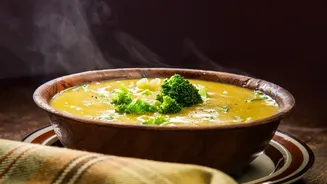
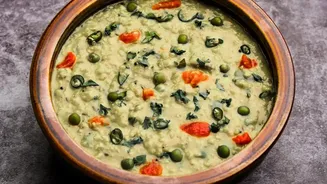
Winter brings a bounty of robust vegetables that are perfect for a hearty khichdi. Think bright orange carrots, sweet green peas, earthy potatoes, and florets of cauliflower. These vegetables not only add colour and texture but also a wealth of nutrients to keep you warm and nourished during the colder months. For the best results, sauté the chopped winter vegetables in ghee with spices like ginger, garlic, and green chillies before adding the rice and dal mixture. This helps them release their flavours. Vegetables like carrots and potatoes should be added early in the cooking process, while delicate peas can be stirred in towards the end to retain their bite and vibrant colour. Fresh spinach, added in the last few minutes, will wilt perfectly into the hot khichdi, adding iron and a beautiful green hue.
Light and Cooling Summer Additions
As the weather warms up, your khichdi should become lighter and more cooling. Summer vegetables with high water content are ideal choices. Bottle gourd (lauki), pumpkin (kaddu), and French beans are excellent options. These vegetables cook down beautifully, blending seamlessly into the texture of the khichdi and making it even easier to digest on a hot day. To prepare a summer vegetable khichdi, keep the spices minimal. A simple tempering of cumin seeds and a touch of turmeric is often enough. The goal is to let the subtle sweetness of the summer vegetables shine. You can add finely chopped bottle gourd or pumpkin along with the rice and lentils, as they will cook to a soft, melt-in-your-mouth consistency.
Monsoon Comfort in a Bowl
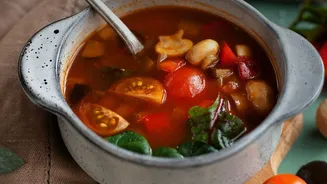
There is nothing quite like a warm bowl of khichdi on a rainy day. The monsoon season offers its own unique array of vegetables that can elevate this comfort classic. Corn, tomatoes, and a variety of gourds are excellent choices. Adding juicy tomatoes can provide a slight tang to balance the earthiness of the lentils. A vegetable khichdi for the monsoon can be made more flavourful with a robust masala base. Sautéing onions, ginger, garlic, and tomatoes before adding spices like coriander and chilli powder creates a rich and aromatic foundation. This version is not just comforting but also helps in keeping seasonal ailments at bay with its warm, digestive spices.
Tips for the Perfect Vegetable Khichdi
Regardless of the season, a few key tips can elevate any vegetable khichdi. Always try to use fresh, seasonal vegetables for maximum flavour and nutrition. Don't be afraid to experiment with different lentils; while moong dal is traditional, a mix of toor dal or masoor dal can add a different texture and taste. Adjust the water consistency to your preference—more water will result in a soupier, porridge-like khichdi, while less will make it closer to a pulao. Finally, never underestimate the power of a final tadka. A spoonful of ghee heated with mustard seeds, dried red chillies, and curry leaves poured over the khichdi just before serving adds an irresistible aroma and a final layer of flavour.