


The Climate-Smart Advantage
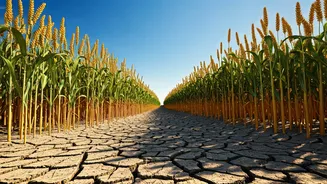
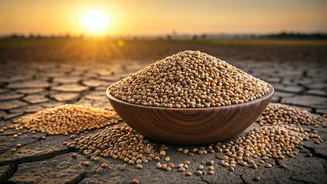
As rising temperatures, erratic monsoons, and water scarcity challenge conventional agriculture, millets are emerging as a beacon of hope. Unlike water-intensive crops like rice and wheat, millets are exceptionally hardy. Varieties such as bajra (pearl
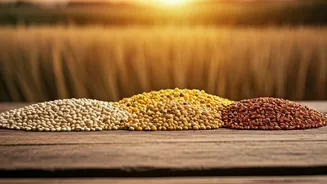
millet), jowar (sorghum), and ragi (finger millet) are naturally drought-resistant and can thrive in arid conditions and on marginal lands with minimal inputs. Some varieties require 70% less water than rice and can tolerate high temperatures, making them what experts call “climate-smart” crops. Their deep root systems allow them to access water from lower soil layers, and their efficient C4 photosynthesis process helps them conserve water, making them ideal for India's rainfed agricultural zones. In an era of increasing climate uncertainty, the resilience of millets offers farmers a crucial safety net, reducing financial risk and ensuring a more stable harvest even when other crops fail.
A Nutritional Powerhouse for India
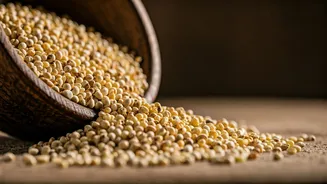
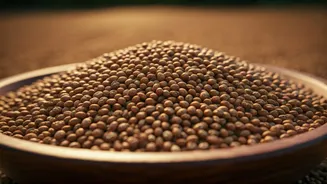
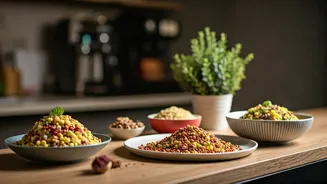
The revival of millets is not just good for the planet; it's a significant win for public health. Often called “Nutri-Cereals,” millets are packed with protein, high dietary fibre, vitamins, and essential minerals like iron, calcium, and magnesium. Finger millet (ragi), for example, is one of the richest plant-based sources of calcium. Being gluten-free and having a low glycemic index, they are an excellent food for managing blood sugar levels, making them highly beneficial for India's growing diabetic population. Their high fibre content aids digestion and promotes gut health. In a country grappling with a double burden of malnutrition and lifestyle diseases, integrating millets back into the daily diet offers a powerful tool to enhance nutritional security.
From Forgotten Grains to Future Food
If millets are so beneficial, why did they fall out of favour? The Green Revolution in the 1960s, while successful in averting famine, heavily promoted high-yield varieties of wheat and rice. This policy focus, coupled with government subsidies and public distribution systems favouring these staples, led to a sharp decline in both the cultivation and consumption of millets. Before the Green Revolution, millets constituted around 40% of all cultivated grains in India; this figure has dropped to about 20% in recent years. However, the tide is now turning. Recognizing their immense potential, the Indian government and international bodies are leading a major revival effort. India's proposal led the United Nations to declare 2023 as the International Year of Millets, a move that has created significant global awareness.
The Road to Revival: Policy and Progress
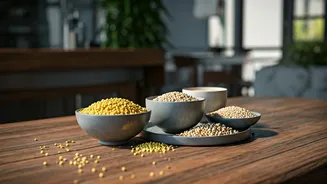
The government has launched a multi-pronged strategy to bring millets back to the mainstream, referring to them as 'Shree Anna' or the 'best of grains'. Initiatives like the National Food Security Mission (NFSNM) are promoting millet cultivation through subsidies for seeds and farmer training. Schemes like the Production Linked Incentive (PLI) are encouraging the food processing industry to create value-added millet products, with nearly ₹800 crore earmarked to support this sector. This has spurred innovation, bringing a new generation of millet-based snacks, breakfast cereals, and ready-to-cook meals to the market. These efforts are showing results, with sales of millet-based products seeing a significant jump in recent years.
Challenges on the Path Forward
Despite the momentum, the journey to fully reintegrate millets is not without its hurdles. Farmers still face challenges such as relatively low yields compared to subsidised crops, inadequate processing infrastructure in rural areas, and weak market linkages. For consumers, a shift in dietary habits, long dominated by rice and wheat, requires sustained awareness campaigns. Overcoming these obstacles will require continued policy support, investment in research to develop higher-yielding, climate-resilient varieties, and the active participation of Farmer Producer Organisations (FPOs) to streamline supply chains. Success will depend on making millets not only environmentally and nutritionally appealing but also economically viable for farmers and convenient for consumers.