






The Problem with Sunny Windows
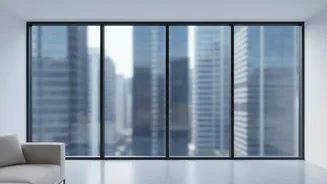
Large windows are great for natural light, but they are also gateways for solar heat. Sunlight is composed of visible light, ultraviolet (UV) rays, and infrared (IR) rays. It's the infrared radiation that is primarily responsible for the heat you feel.
When this radiation passes through your apartment windows, it heats up the air, floors, and furniture inside. This process, known as solar heat gain, forces your air conditioner to work much harder to maintain a cool temperature. The result is a constant cycle of heat entering and your AC running, leading to significant energy consumption and higher electricity bills.
What Are Smart Window Films?
Think of smart window film as high-tech sunglasses for your apartment. It is a thin, multi-layered polyester material that is applied directly to the surface of your existing glass. It's not a replacement for the window itself, but rather an upgrade that enhances its performance. These films are engineered with specific properties to control the amount of solar energy that passes through, without necessarily blocking out all the natural light. This makes them a cost-effective alternative to replacing entire window units with specialised glass.
The Science of Staying Cool
The magic of smart window films lies in their ability to be selective. They are designed to target and reject specific parts of the solar spectrum, primarily infrared heat and harmful UV rays. High-performance films can block up to 99% of UV radiation and a significant portion of heat-producing infrared light. Some films use micro-thin layers of metal particles that reflect the sun's heat away from the building. Others use advanced ceramic nano-particles that absorb and disperse heat without a metallic or mirrored appearance. By tackling the heat at the source, these films can reduce the heat load on your air conditioning system, potentially cutting cooling costs by up to 30%.
Types of Films for Every Need
Not all window films are created equal. Reflective or 'mirrored' films offer maximum heat rejection and excellent daytime privacy, making them a popular choice for commercial buildings and apartments that aren't concerned with an altered exterior look. Spectrally selective films are more advanced; they are virtually clear to the naked eye but are engineered to block a high percentage of infrared heat. These are ideal for homeowners who want to maintain the original appearance of their windows. Ceramic films are another premium, non-metallic option that offers great heat rejection without interfering with mobile phone or Wi-Fi signals. There are also dyed films, which are more affordable but less effective at blocking heat.
More Than Just Energy Savings
While lower electricity bills are a major draw, the benefits don't stop there. By blocking nearly all UV rays, these films act as a powerful sunscreen for your interiors, significantly slowing down the fading of furniture, curtains, and wooden flooring. They also reduce glare on television and computer screens, making your living space more comfortable throughout the day. Certain films can increase privacy during the daytime, and some even add a layer of shatter resistance to the glass, improving safety.
Is It Right for Your Apartment?
For apartment dwellers in India, window films are a highly practical solution. Professional installation is recommended for a flawless finish, and costs can vary based on the type of film and the size of your windows. In cities like Chennai, basic sun control film installation can start from around ₹90-₹120 per square foot, with premium brands and ceramic options costing more. Many companies across major cities like Bengaluru, Mumbai, and Delhi offer professional installation services. If you are a renter, it's a good idea to check with your landlord or building management, but because the films can often be removed without damaging the glass, they are generally considered a non-permanent alteration.