





Understanding the Humidity Effect
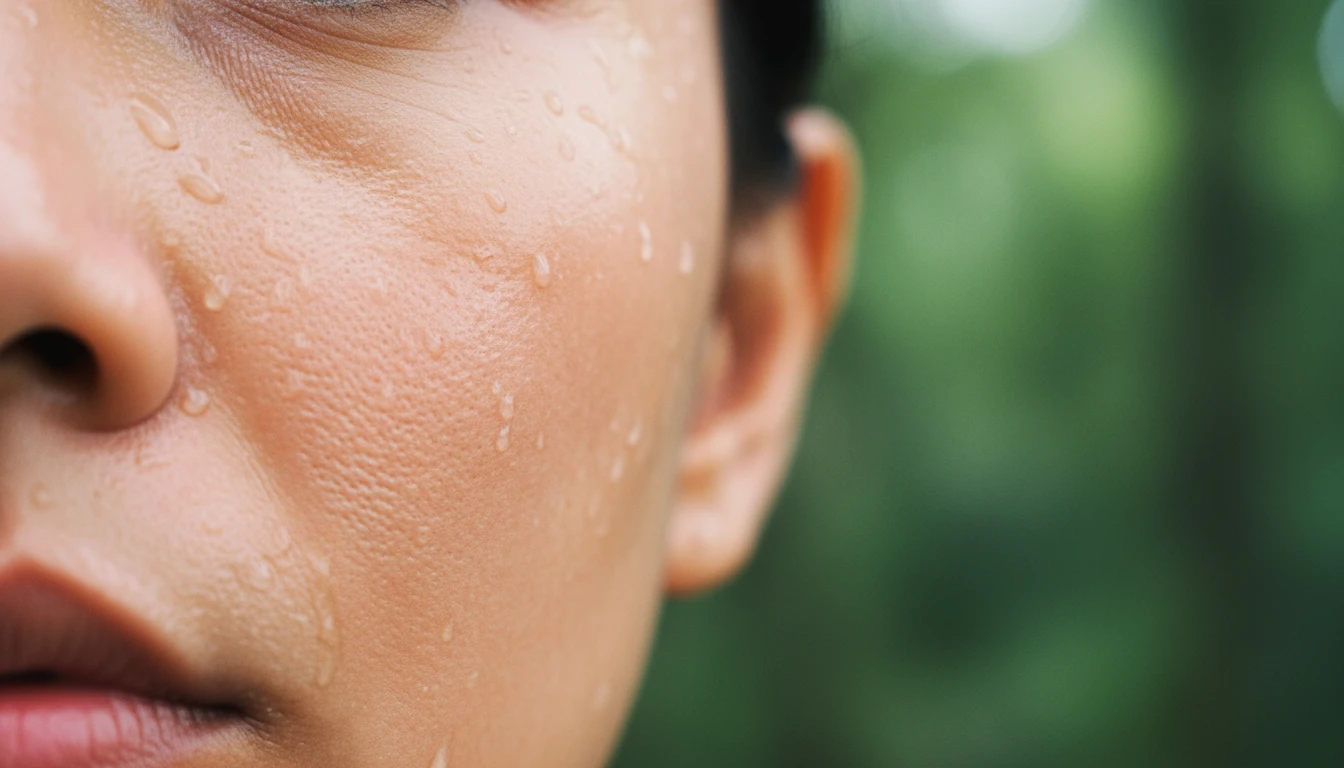
The defining characteristic of the monsoon is high humidity. This constant moisture in the air prevents sweat from evaporating efficiently, trapping oil, dirt, and bacteria on your skin's surface. This environment is a perfect breeding ground for acne-causing
bacteria and various fungi. As a result, many people experience a sudden increase in pimples, blackheads, and painful boils. The skin's oil glands also tend to go into overdrive to compensate for the atmospheric changes, leading to a perpetually greasy feeling and clogged, enlarged pores.
Rethink Your Cleansing Routine
While it’s tempting to wash your face repeatedly to combat stickiness, over-cleansing can strip the skin of its natural oils, ironically triggering even more oil production. Instead, dermatologists recommend washing your face twice daily with a gentle, pH-balanced cleanser. For those with oily or acne-prone skin, a cleanser containing salicylic acid can be particularly effective. This beta-hydroxy acid (BHA) is oil-soluble, meaning it can penetrate deep into pores to dissolve excess sebum and dead skin cells, helping to prevent breakouts before they start.
Lighten Up Your Moisturiser
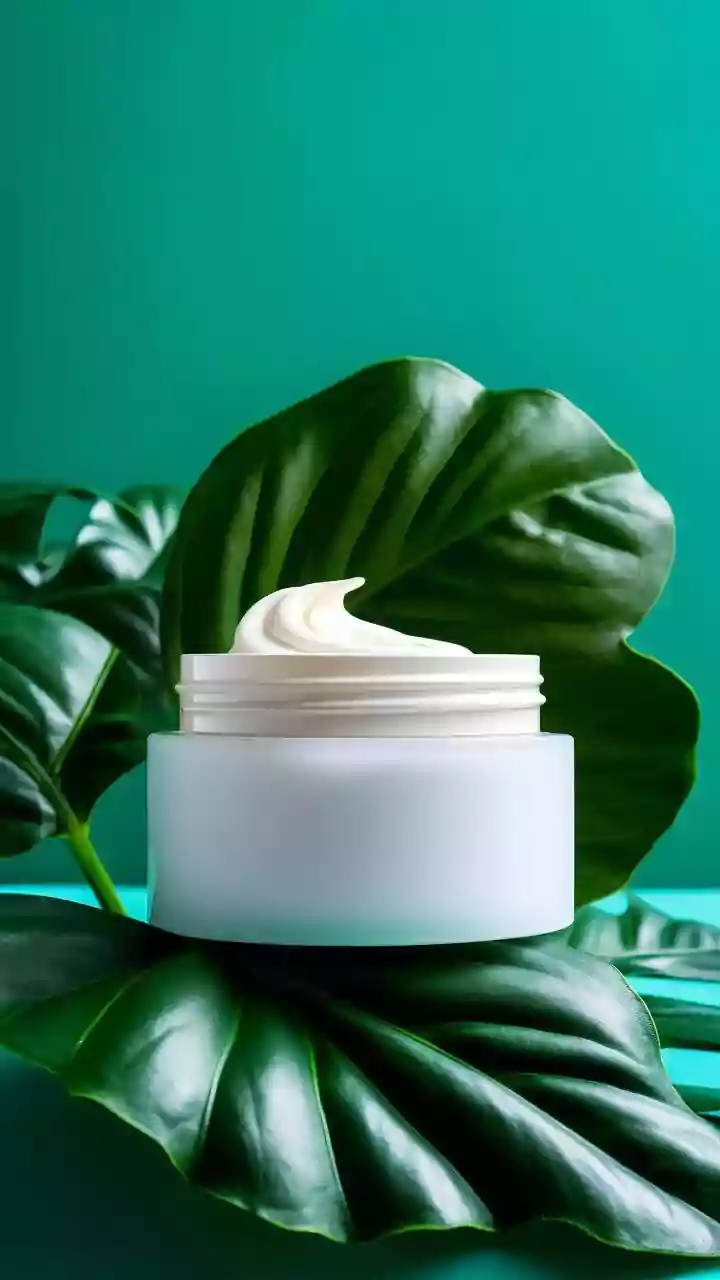
A common mistake during the monsoon is skipping moisturiser altogether, fearing it will make greasy skin worse. However, hydrated skin is healthy skin. The key is to switch from heavy, oil-based creams to lightweight, non-comedogenic formulas. Look for gel-based or water-based moisturisers that hydrate without clogging pores. Ingredients like hyaluronic acid are excellent for this season; it's a humectant that draws moisture into the skin without adding weight or oiliness. Niacinamide is another star ingredient that helps regulate oil production and strengthen the skin's barrier.
Exfoliation Is Non-Negotiable
With the increased buildup of dead skin cells and sebum, regular exfoliation becomes crucial. It helps keep pores clear, brightens a dull complexion, and allows your other skincare products to absorb more effectively. You can choose between physical scrubs or, for a more targeted approach, chemical exfoliants like Alpha Hydroxy Acids (AHAs) and Beta Hydroxy Acids (BHAs). Glycolic acid (an AHA) works on the skin’s surface, while salicylic acid (a BHA) cleanses inside the pores. Aim to exfoliate once or twice a week to maintain smooth, clear skin without causing irritation.
Never Skip Sunscreen, Even When It's Cloudy
Don’t let the cloud cover fool you; up to 80% of the sun's harmful UV rays can penetrate clouds and cause significant skin damage. Skipping sunscreen during the monsoon is one of the biggest skincare mistakes, as UV exposure can lead to tanning, hyperpigmentation, and premature ageing. In fact, post-acne marks can darken and become more stubborn without daily sun protection. For the humid Indian monsoon, choose a lightweight, water-resistant, broad-spectrum sunscreen with an SPF of 30 or higher. Gel-based or fluid formulas are ideal as they feel comfortable and are less likely to clog pores.
Preventing Fungal and Bacterial Infections
The damp, humid conditions are ideal for fungal growth, leading to common infections like ringworm and athlete's foot. These often appear as red, intensely itchy patches in skin folds, between the toes, and in the underarm area. Prevention is key: always dry yourself thoroughly after bathing, especially in skin folds. Wear loose-fitting, breathable cotton clothing to allow air circulation. Avoid staying in wet clothes or damp socks for extended periods, and consider using an antifungal powder in areas prone to sweat.