


Welcome to Shoja: An Offbeat Paradise
Forget the tourist throngs of Shimla and Manali. Shoja is a small, serene village that serves as a gateway to the Tirthan Valley and the Great Himalayan National Park's ecozone. Located at an altitude of over 8,000 feet, its main currency is tranquillity.
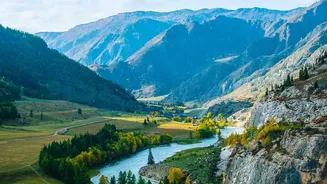
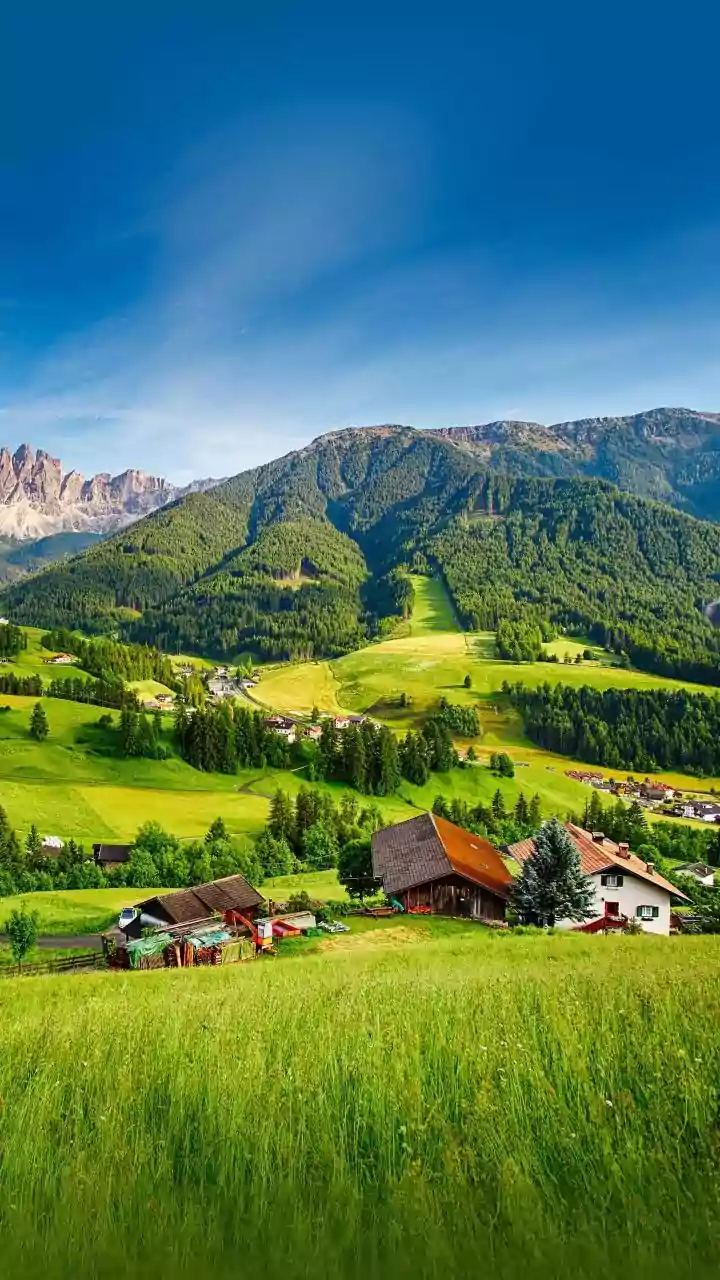
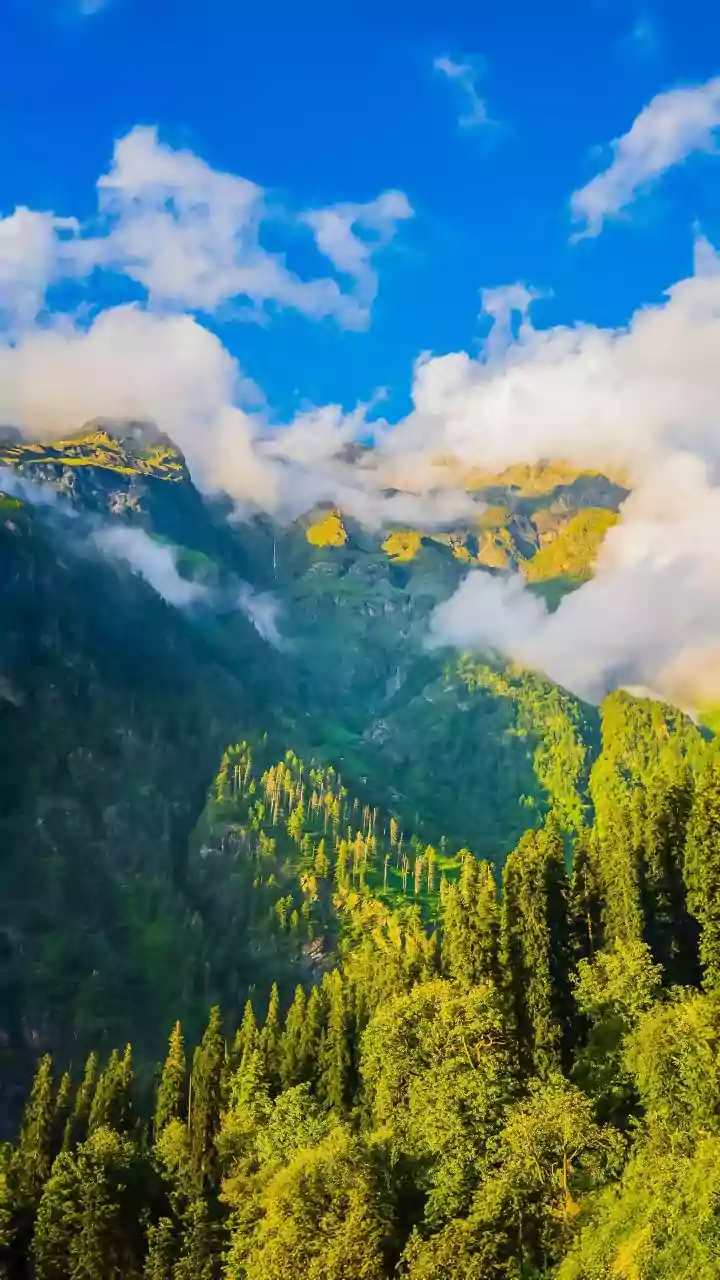
The air here is crisp, scented with deodar and pine, and the landscape is a soothing canvas of dense forests and panoramic Himalayan views. It’s the kind of place where the journey itself—navigating the winding road from Jalori Pass—feels like part of the adventure, preparing you for the quiet that awaits. For those seeking solitude and a connection with nature, Shoja is the perfect starting point.
The Forest Trail to Serolsar Lake
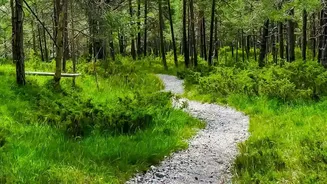
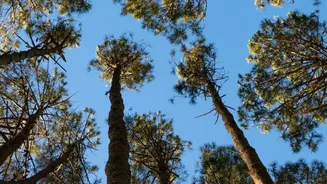
One of the most rewarding treks from Shoja is the gentle walk to Serolsar Lake, which begins from the nearby Jalori Pass, just a 5 km drive away. The trek itself is a 5 to 6 km walk each way through a magnificent forest of oak, rhododendron, and pine. Graded as easy to moderate, the trail is well-marked and mostly flat, making it accessible even for beginners and families. It typically takes about two hours to reach the lake. The destination is a crystal-clear, high-altitude lake considered sacred by locals. A small temple dedicated to Budhi Nagin (the serpent goddess) sits peacefully on its banks. The real magic, however, lies in the journey: the quiet rustle of leaves, the filtered sunlight through the canopy, and the feeling of being completely immersed in a timeless forest.
The Ridgeline Climb to Raghupur Fort
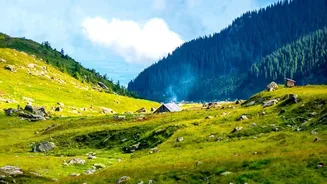
For those seeking more dramatic views, the trek to Raghupur Fort is a must-do. Also starting from Jalori Pass, this trail heads in the opposite direction of Serolsar Lake. The trek is shorter, around 3 km one way, but involves a steeper climb through oak and rhododendron forests that eventually open up into vast, rolling meadows. Reaching the top in about 1.5 to 2 hours, you won't find an intact structure but the evocative ruins of a fort believed to have been built by Mandi rulers for protection. The real prize is the stunning 360-degree panoramic view of the surrounding Himalayan ranges. It’s a place where history and nature converge, offering a profound sense of scale and solitude.
Exploring the Villages and Beyond
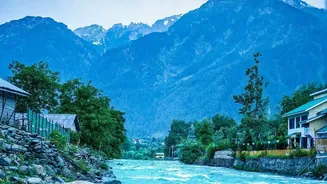
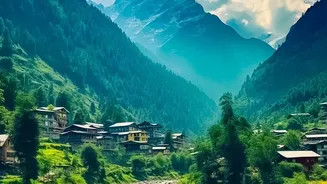
The trekking in Shoja isn't limited to defined destinations. The true spirit of this offbeat region can be found by simply walking through its network of small villages. Places like Jibhi, with its charming wooden houses and riverside cafes, are a short distance away and offer their own gentle trails. You can also explore hidden spots like the Waterfall Point in Shoja for a short, refreshing walk. These village-to-village walks allow you to experience the slow pace of local life, admire the traditional architecture like Chehni Kothi, and enjoy the pristine environment of the Tirthan Valley, which is part of the Great Himalayan National Park's conservation area.
Planning Your Trip to Shoja
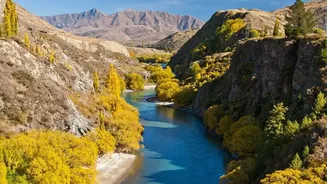
The best time to visit Shoja for trekking and pleasant weather is from April to June and again from September to November. During summer, the meadows are in full bloom, while autumn offers crisp air and golden foliage. To reach Shoja, the most common route is by road. The nearest major airport is Bhuntar Airport in Kullu, about 65-70 km away. From there, or from major cities like Delhi and Chandigarh, you can hire a taxi or take a bus to Aut, and then another vehicle up into the Banjar Valley towards Shoja. Accommodation options range from cozy homestays to small hotels that offer an authentic Himachali experience. Remember to pack layers, as temperatures can change quickly in the mountains.