





A Monsoon of Two Extremes
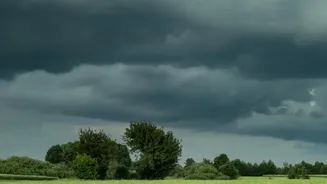
The story of this year's monsoon is not about the total volume of rain but its skewed distribution. While the national cumulative rainfall deficit hovered around 12-13% below the long-period average as of mid-August, this single number masks a more complex
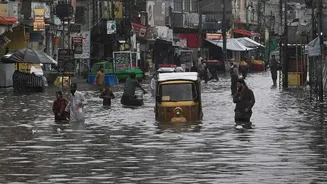
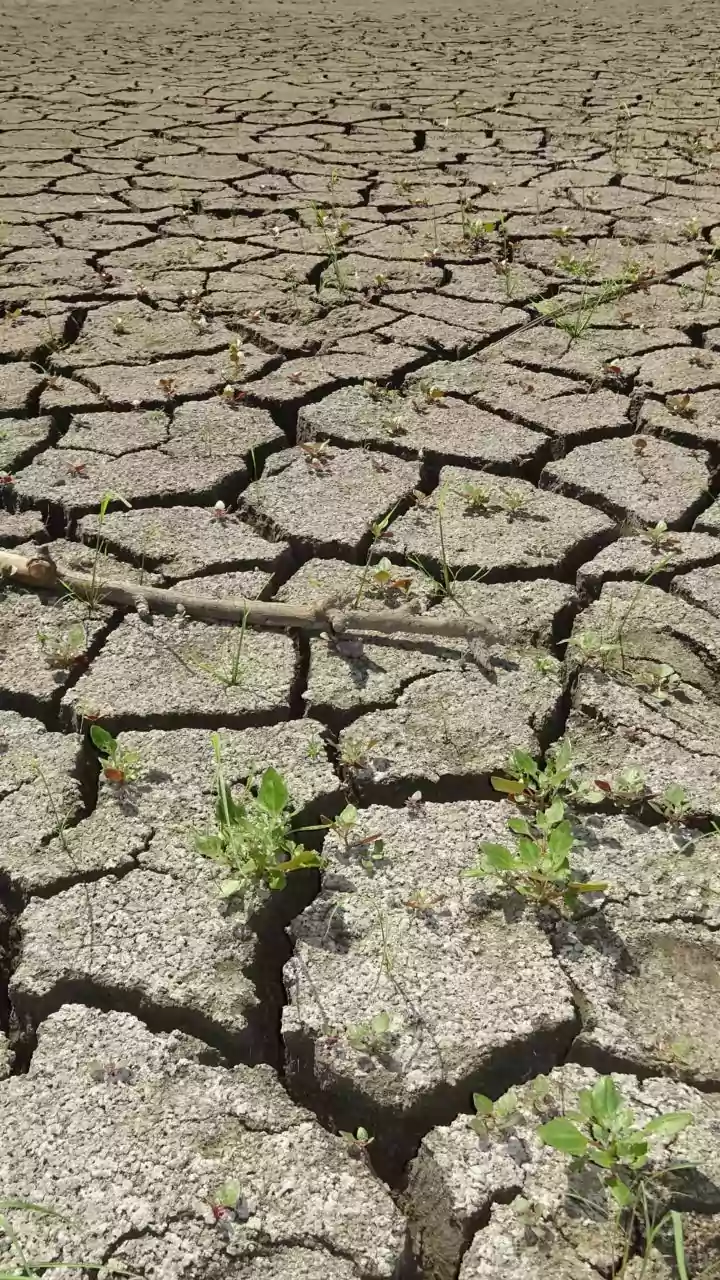
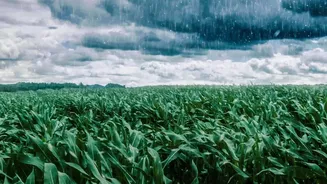
reality. Some regions are grappling with intense downpours and floods, while others are parched and facing drought-like conditions. For example, parts of Northeast India have faced significant flooding, with states like Assam seeing hundreds of thousands of people affected and vast areas of cropland submerged. At the same time, key agricultural belts in southern and eastern India are staring at significant rainfall deficits. This pattern of long dry spells punctuated by short, intense bursts of rain fails to replenish soil moisture adequately, creating a paradox of floods in one area and drought in another.
The Critical Sowing Window
This unevenness has a direct impact on Kharif sowing. As of mid-August, the total area sown with Kharif crops was about 2% lower than the previous year. While this gap has narrowed from earlier in the season, the delay is a major concern. Key crops like rice, pulses, and oilseeds have a critical window for planting to ensure optimal growth and yield. The initial lack of rain delayed sowing in many regions, and now the continued deficit is stressing the standing crops. Experts note that the sowing season has practically ended, meaning the final harvest size will now depend almost entirely on the yields from the already-planted areas. This makes the rainfall patterns in the coming weeks absolutely critical for crop development.
Paddy, Pulses, and Oilseeds at Risk
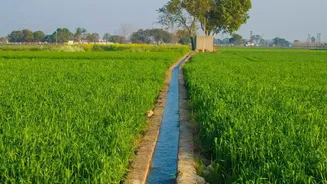
Specific crops are facing unique challenges. Rice (paddy), a staple for a majority of Indians, has seen its acreage decline by about 3.7%. Many rice-producing districts, particularly in the Gangetic plains, are rainfall deficient. While irrigation can provide a cushion in some areas, rainfed paddy remains highly vulnerable. Pulses like tur (arhar) and moong have also seen a decline in sowing area. Though tur is relatively drought-tolerant, prolonged moisture stress during its reproductive stage can cause it to lose flowers and pods, severely cutting yields. Oilseeds like soybean have also registered a small decline in acreage. These crops are now entering critical growth stages like flowering and pod formation, where adequate soil moisture is non-negotiable for a good harvest.
A Deeply Divided Regional Picture
The problem is starkly visible at the state level. Over a third of India's land area is reportedly under drought conditions. Major food-producing states including Andhra Pradesh, Karnataka, Madhya Pradesh, and Punjab are among those facing extreme drought conditions in parts. In Jharkhand, the rainfall deficit was so severe in some districts that farmers couldn't even prepare their fields, with many opting to sow less water-intensive crops like maize instead of paddy. Conversely, states like Assam and West Bengal have been battling floods. These simultaneous but opposite crises create an immense challenge for policymakers and farmers alike. One region's desperate need for rain is another's disaster, complicating national-level relief and response efforts.