


The Science of Slow
First, let's get the basics down. The advice to eat slowly is grounded in solid science. It takes about 20 minutes for your stomach to send signals to your brain that it's full. Eating too quickly can lead you to consume more calories than you need before
your brain gets the message. Numerous studies have linked a faster eating pace to a higher risk of obesity, increased body fat, and metabolic syndrome—a cluster of conditions including high blood pressure and abnormal cholesterol levels. In one study of over 1,000 adults tracked for five years, fast eaters had an 11.6% incidence of metabolic syndrome, compared to just 2.3% for slow eaters. Slower eating, on the other hand, is associated with lower body weight and smaller waist circumference, largely because it gives your body time to register satiety.
Meal Type Over Sheer Speed
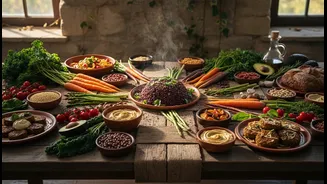
Interestingly, recent research suggests that what you eat might naturally dictate how fast you eat it. A study from Fujita Health University in Japan found that the type of meal had a significant impact on eating duration. Participants ate a slice of pizza far more quickly than they ate a bento box meal, which required using chopsticks and pausing between different food items. This suggests that some foods are designed for speed. Think of grabbing a quick roll or a slice of pizza versus sitting down to a traditional thali. The latter, with its multiple components, naturally encourages a more measured pace. Foods that require more chewing or have a thicker texture can also slow down consumption, leading to eating fewer kilojoules overall. So, instead of just forcing yourself to chew more, choosing meals with varied textures and components could be a more effective way to slow down naturally.
A Tale of Two Cultures
The pace of eating is also deeply embedded in culture. In many Western societies, particularly the United States, fast-paced lifestyles have given rise to habits like the 'desk lunch', where meals are rushed to maximize productivity. This stands in stark contrast to cultures that place a high value on leisurely, communal meals. The Mediterranean diet, for example, is as much about the social practice of eating together as it is about the food itself. Similarly, Japanese culture often promotes a more mindful approach to meals. One study even found that Japanese diners were more likely to stay at fast-food restaurants for a longer duration and share food compared to their American counterparts, turning a 'fast' meal into a more social, slower experience. These cultural norms shape our subconscious habits around food, influencing not just what we eat, but the entire ritual of the meal itself.
The Indian Context: Tradition vs. Modernity
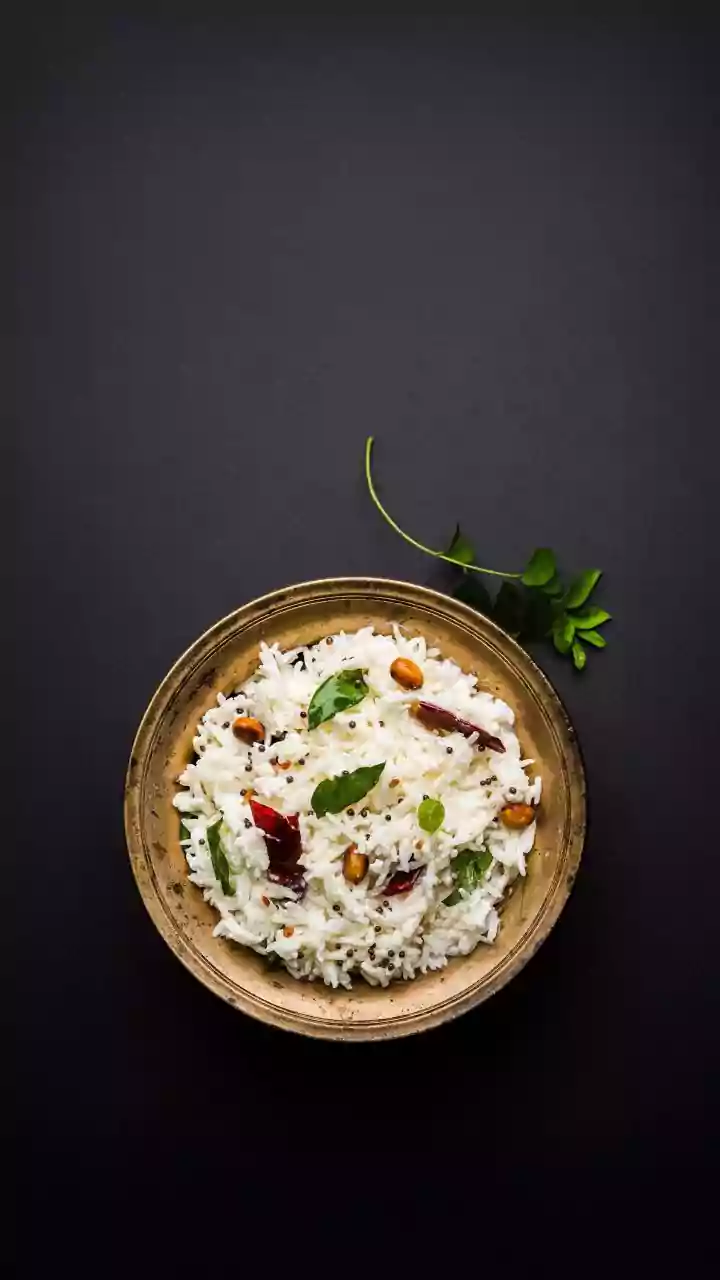
In India, the concept of mindful, slow eating is deeply rooted in ancient traditions like Ayurveda. Ayurvedic principles teach that being present and focused during meals is essential for good digestion and to receive the food's full nutritional benefit. Traditionally, Indian meals are a sacred time for family bonding, a pause from the day's chaos where food is savored. However, modern urban life in India presents a conflict. The pressures of a fast-paced world often lead to rushed, distracted meals, a departure from the unhurried eating customs that have long been part of the culture. While the tradition of the family meal persists, the quick, on-the-go snack or the rushed lunch is becoming more common, challenging the age-old wisdom of taking one's time to truly nourish the body and soul.
Finding Your Own Right Pace
So, what's the verdict? Rather than adhering to a strict 30-minute meal rule, the key seems to be mindfulness. It's about aligning your eating pace with the context. A quick, functional breakfast on a busy morning is different from a relaxed weekend dinner with family. The goal is not to eliminate fast eating entirely but to be aware of it and its effects. You can cultivate a slower pace by choosing meals with more complex textures, putting down your utensils between bites, and minimizing distractions like screens. The true art lies in listening to your body's signals of hunger and fullness, regardless of what the clock says. This approach helps prevent overeating and increases satisfaction, allowing you to enjoy your food more deeply.