






The Policy Battle Over AI Chips
The Trump administration's technology policy is heavily focused on maintaining America's lead in artificial intelligence while curbing China's access to critical technology. This has primarily translated into export controls, which are rules that restrict
the sale of high-end semiconductor chips to China. These chips, particularly those designed by Nvidia, are the foundational hardware for developing advanced AI models. The core policy tension is a push for economic decoupling from China to protect national security, clashing with the reality that many US tech giants derive significant revenue from the Chinese market. The administration's approach has included allowing sales of some less advanced chips in exchange for revenue-sharing agreements, while banning the most powerful ones.
Nvidia's National Security Crisis
Nvidia, the world's dominant AI chipmaker, is facing intense scrutiny following the resignation of its long-time CEO, Jensen Huang. The departure came after revelations of extramarital affairs, including one with an executive at a Singapore-based company called Megaspeed, who is suspected by U.S. intelligence of being a Chinese spy. This has raised serious national security concerns, triggering congressional investigations into whether Nvidia's technology was compromised or illicitly funnelled to China. The company’s stock value has fallen significantly amid the fallout, and its board has formed a new committee to oversee national security and export control compliance. The scandal has put a spotlight on the company's central role in the US-China tech race and the potential vulnerabilities associated with its leadership.
Introducing Howard Lutnick
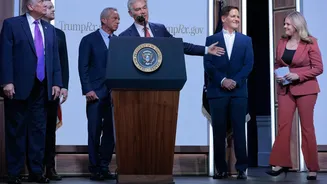
Howard Lutnick is the current U.S. Secretary of Commerce, a powerful role that oversees trade policy and export controls. Before joining the Trump administration, he was the chairman and CEO of the Wall Street firm Cantor Fitzgerald. Lutnick is a long-time friend of Donald Trump and was a co-chair of his presidential transition team. Initially considered a contender for Treasury Secretary, his appointment to the Commerce Department places him at the forefront of implementing the administration's aggressive trade agenda, including the enforcement of tariffs and restrictions on technology sales.
Scrutiny of the Commerce Secretary
Secretary Lutnick is under fire for allegedly resisting or delaying crackdowns on Nvidia and other companies suspected of allowing advanced chips to reach China, despite President Trump's reported directives to tighten controls. Reports indicate that on multiple occasions, Lutnick hesitated to place companies like Megaspeed on a trade blacklist, sparking clashes with other cabinet members, including Treasury Secretary Scott Bessent. This has led to bipartisan concern in Congress, with lawmakers demanding to know why the Commerce Department did not act faster to address national security risks. Lutnick has since agreed to testify before a Senate committee to address his agency's role in the matter.
A Complicated Web of Interests
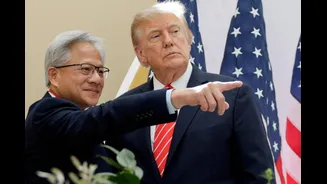
The situation is further complicated by President Trump's own financial ties and public statements. Reports have revealed that the president's investment portfolio includes a significant and growing stake in Nvidia, raising questions about potential conflicts of interest as his administration makes policy decisions directly affecting the company. Despite the intelligence community's concerns and the resignation of Jensen Huang, Trump has publicly stated he 'wouldn't mind' if Huang were reinstated, suggesting the former CEO had 'learned a big lesson'. This has created a split within his own administration, with some officials calling for a major shakeup at the chipmaker while the president appears more forgiving. This complex web of policy, personal relationships, and financial interests leaves the future of U.S. tech regulation in a state of uncertainty.