







The New Contenders on the Block
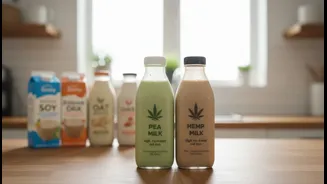
Walking down the dairy-alternative aisle can feel overwhelming. The shelves are packed with options from soy, almond, and oat to rice and coconut. Yet, two relatively newer players, pea and hemp milk, are increasingly capturing the attention of health-conscious
consumers and environmental advocates alike. While soy and almond milk still dominate the market, pea and hemp are carving out a significant niche, not just as alternatives, but as preferred options for those seeking a powerful combination of nutrition and sustainability. Their rise reflects a larger trend in India, where the plant-based milk market is growing rapidly, driven by factors like lactose intolerance, an increase in veganism, and a general move towards healthier lifestyles.
Pea Milk: The Protein Powerhouse
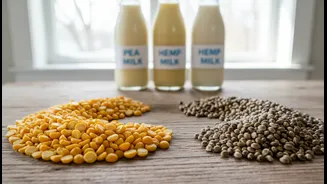
When you think of peas, milk is probably not the first thing that comes to mind. However, pea milk, made from yellow split peas, is a nutritional heavyweight. Its biggest selling point is its protein content. A single serving can contain around 8 grams of protein, comparable to a glass of cow's milk and significantly more than most almond, rice, or coconut milks. This makes it an excellent choice for those looking to maintain muscle mass or simply stay full longer. Unlike many plant proteins, the protein from peas is often considered complete, containing all nine essential amino acids. Furthermore, pea milk is typically free from common allergens like nuts and soy, making it a safe option for many. It also boasts a creamy texture that many find closer to dairy milk than other watery alternatives.
Hemp Milk: The Nutritional All-Rounder
Hemp milk is made by blending water with seeds from the hemp plant. It stands out for its unique fatty acid profile. It is a fantastic source of omega-3 and omega-6 fatty acids, which are crucial for heart and brain health. A single cup can provide nearly the entire day's recommended intake of omega-3s. While it generally has less protein than pea or soy milk, it is still considered a complete protein source. Many commercial varieties are fortified with calcium, vitamin D, and vitamin B12. For those concerned about allergies, hemp is not one of the major food allergens, giving it an advantage over soy and almond milk. The taste is often described as nutty and slightly earthy, which some people enjoy in smoothies and coffee.
A Greener Choice for the Planet
A major driver behind the shift to pea and hemp milk is their environmental credentials. The production of dairy milk is known to be resource-intensive. While all plant milks have a smaller environmental footprint than dairy, not all are created equal. Almond milk, for instance, is notoriously thirsty, requiring significant amounts of water to grow. In contrast, peas are a highly sustainable crop. They are legumes that naturally fix nitrogen in the soil, reducing the need for fertilizers, and they require less water than many other crops. Hemp is also an eco-friendly champion. It's a hardy plant that grows quickly, requires few pesticides, and helps improve soil health. While hemp uses more water than peas, it still requires significantly less than almonds or dairy.
Taste, Texture, and Cost
Ultimately, the best milk alternative comes down to personal preference. Pea milk is often praised for its neutral flavour and creamy consistency, making it a versatile substitute in cereals, coffee, and cooking. Hemp milk has a more distinct, earthy flavour that can be an acquired taste but works well in certain recipes. Both are available in sweetened, unsweetened, and flavoured varieties like vanilla and chocolate. However, availability and cost can be a barrier. In India, these newer milks can be more expensive and harder to find than established players like soy and almond milk. As the market grows and more local brands emerge, this is likely to change. The increasing demand in urban centres and via online channels is already making them more accessible.