



An Eye in the Sky: The NISAR Mission
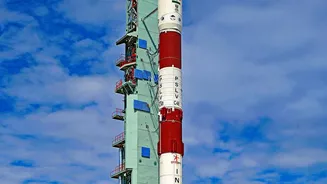
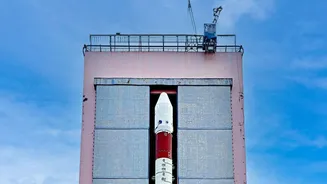
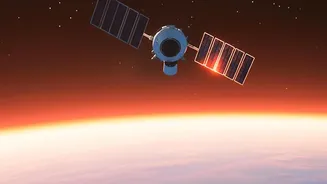
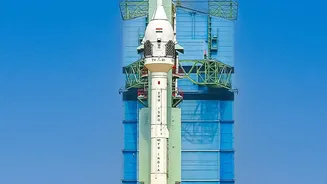
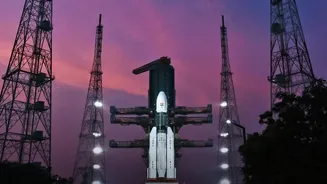
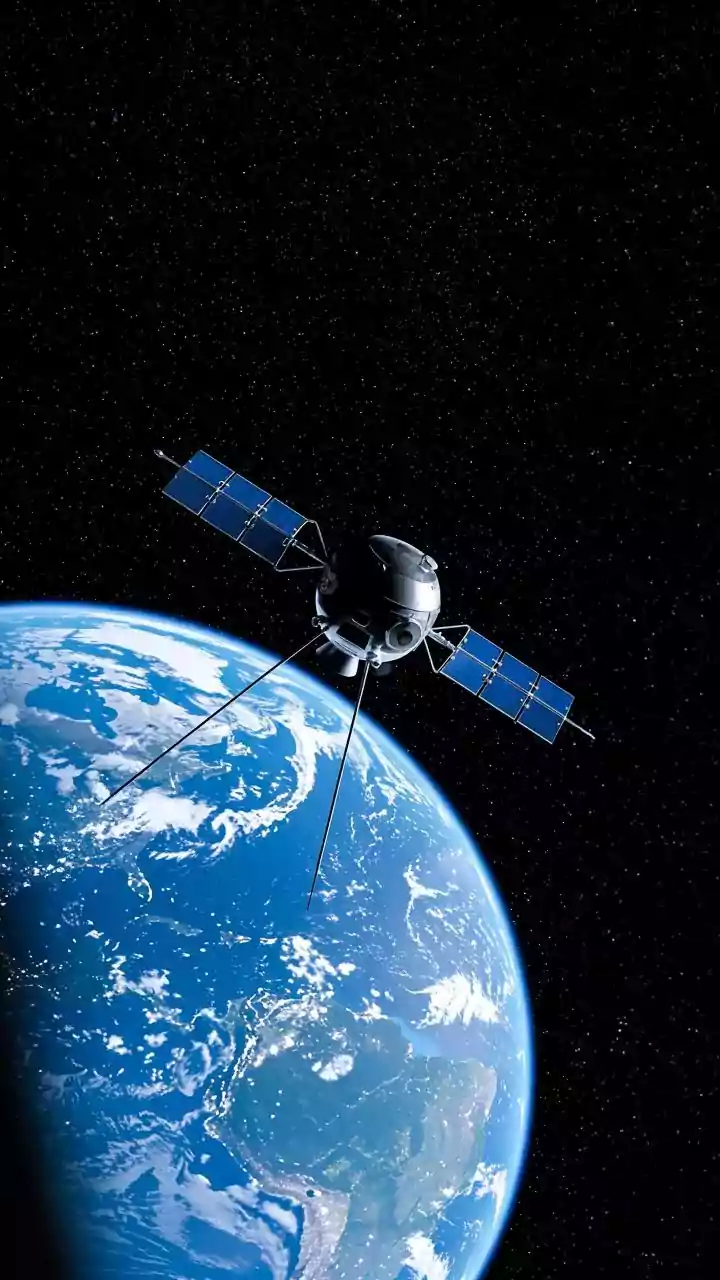
At the heart of this deepening collaboration is the NASA-ISRO Synthetic Aperture Radar (NISAR) mission, one of the most significant joint science projects ever undertaken by the two nations. Launched successfully, this sophisticated Earth-observing satellite
is equipped with two different radar systems, one built by NASA and the other by ISRO. Its primary goal is to systematically map our planet in unprecedented detail, scanning the entire globe every 12 days. This allows scientists to monitor subtle changes in Earth's surface, from the melting of ice sheets and the shifting of land during earthquakes to the health of forests and agricultural lands. The data, which has been made publicly available, is a game-changer for climate change research, disaster management, and agriculture, providing crucial information for both countries and the global scientific community. The success of NISAR serves as a powerful symbol of what the two space agencies can achieve when they combine their technological prowess.
To the Moon and the Space Station
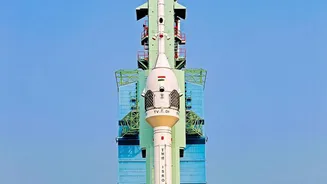
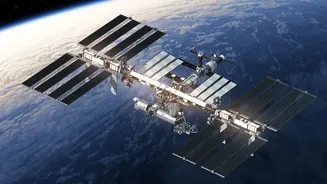
The partnership is not limited to robotic missions. India's decision to sign the Artemis Accords, a US-led framework for peaceful and transparent lunar exploration, marked a major strategic step. By joining the coalition, India aligned itself with a global standard for exploring the Moon and beyond, moving from a traditionally independent approach to a more collaborative one. This has paved the way for more ambitious joint ventures. A key outcome is a planned joint mission to the International Space Station (ISS), which will see Indian astronauts receive advanced training at NASA's Johnson Space Center. Furthermore, in a significant development in August 2026, NASA formally invited ISRO to participate in its program to establish a permanent base on the Moon. These human spaceflight collaborations provide invaluable experience and knowledge transfer that directly benefit India's own ambitious Gaganyaan program and long-term plans for a lunar presence.
A Strategic Alliance in the Cosmos
This space cooperation is a core pillar of a much broader strategic framework known as the U.S.-India initiative on Critical and Emerging Technology (iCET), now evolved into the TRUST initiative. Launched in 2023, this framework is designed to deepen partnerships in high-tech areas like artificial intelligence, defence, and space. In this geopolitical context, space collaboration is more than just science; it's a strategic tool. By working together, the world's two largest democracies are creating a counterbalance to other major spacefaring nations and promoting a rules-based order in outer space, as outlined in the Artemis Accords. This partnership helps ensure that the development and use of critical space technologies are guided by shared democratic values.
Fuelling a New Space Economy
The strengthening of government-to-government ties is also having a significant ripple effect on the private sector. The collaboration fosters an environment ripe for commercial partnerships between American and Indian space companies. The iCET and TRUST frameworks explicitly aim to address regulatory barriers and enhance business-to-business links across the entire space economy value chain, from manufacturing to satellite services. Initiatives like the 'Space Innovation Bridge' are designed to connect startup ecosystems in both countries, fostering joint ventures in areas like satellite technology and space situational awareness. For India's burgeoning private space sector, this offers immense opportunities for investment, technology transfer, and access to the global market, potentially helping India grow its share of the global space economy from its current 2% to a projected 7-8% by 2033.