


A Success Story with a Risk
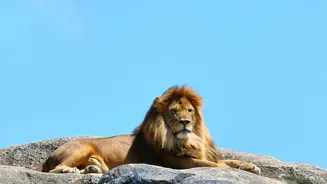
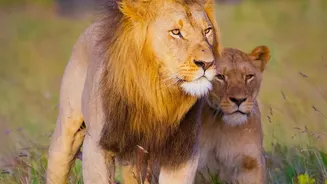
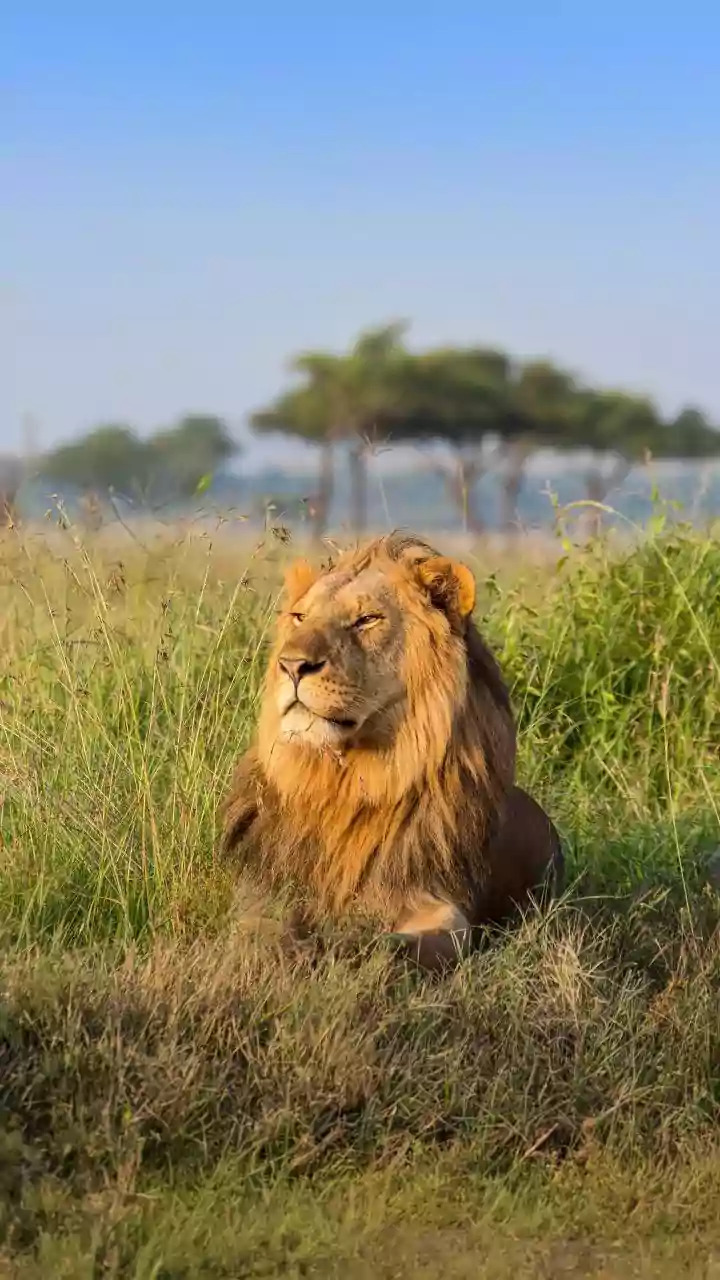
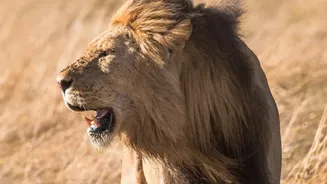
The conservation of the Asiatic lion is one of India's greatest wildlife successes. From a population that dwindled to a mere handful, numbers have grown significantly, with recent estimates suggesting around 900 lions in and around the Gir landscape.
However, this success created a new vulnerability: with the entire wild population concentrated in a single area, the species was at high risk from potential catastrophes like disease outbreaks or natural disasters. The 2018 Canine Distemper Virus outbreak, which led to the deaths of several lions, served as a stark reminder of this danger, accelerating the need for a second, geographically separate population.
Why Barda Was Chosen
The Barda Wildlife Sanctuary, located about 100 kilometres from Gir in Gujarat's Porbandar and Devbhumi Dwarka districts, was identified as a promising second home. Scientific studies have confirmed that Barda's 192-square-kilometre expanse of rugged hills, forests, and grasslands offers a suitable habitat and environment for lions. Its terrain and vegetation bear a resemblance to Gir, making it a fitting alternative. This initiative is part of the central government's 'Project Lion', which aims to secure the lion's long-term survival through habitat management and scientific monitoring. Under this project, Barda is designated as a key satellite population site.
The Return After 144 Years
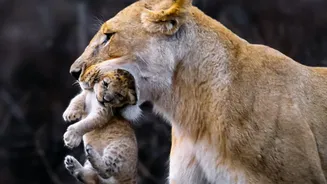
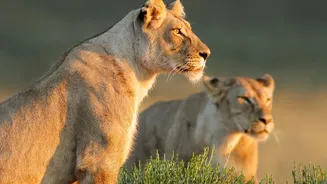
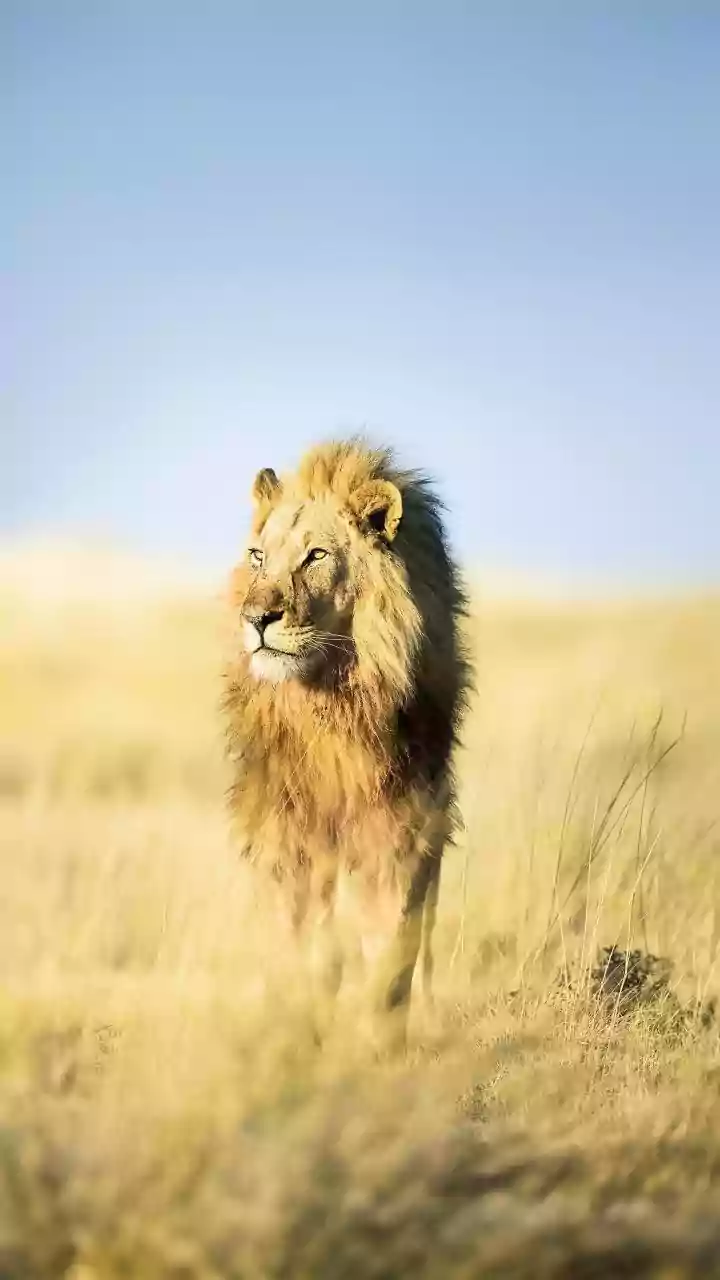
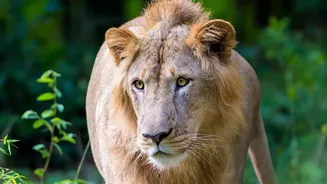
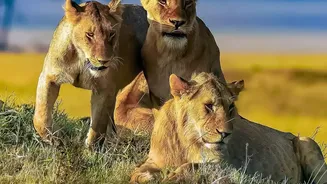
The process of establishing lions in Barda began with a natural migration. In January 2023, a lone male lion dispersed from the Gir landscape and made its way into the sanctuary, marking the first time a lion was recorded in Barda in approximately 144 years. This natural recolonisation was a pivotal moment, demonstrating the lions' ability to move between habitats. Following this, the Gujarat Forest Department strategically introduced five female lions to help establish a stable and genetically diverse population. As of October 2026, the sanctuary is now home to a growing population of 17 lions, including adults and cubs.
Preparing the New Home
Making Barda a secure and sustainable habitat required significant preparation. A key component has been ensuring a sufficient prey base for the big cats. The Forest Department has been actively translocating animals like chital (spotted deer) and sambar from Gir to Barda to support the growing carnivore population. In 2025-26 alone, 441 chitals were moved to the sanctuary. Furthermore, a dedicated team of trackers monitors the radio-collared lions, gathering crucial data on their movements, social behaviour, and health to ensure they are adapting well to their new environment.
A Long and Winding Road
The idea of finding a second home for Asiatic lions is not new; discussions have been ongoing for decades. The Supreme Court of India even ruled in 2013 in favour of translocating some lions to Kuno National Park in Madhya Pradesh to mitigate extinction risks. However, that plan faced significant resistance and delays. The current focus on developing Barda within Gujarat represents a state-led effort to create habitat redundancy, ensuring that the lions have more than one sanctuary to call home, thereby reducing their vulnerability.