
A Museum Without Walls
Forget sterile white galleries and hushed halls. The latest, and perhaps most ambitious, addition to Ladakh's tourism landscape is the sā Ladakh Biennale, a creative route that embeds contemporary art directly into the environment. The event, billed as
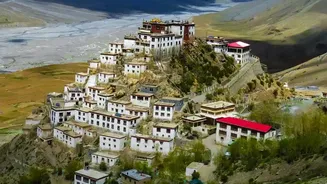
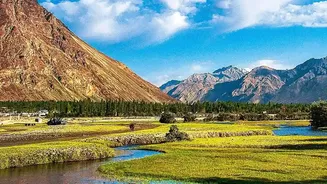
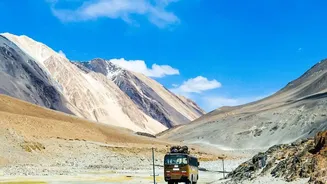
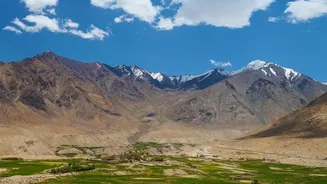
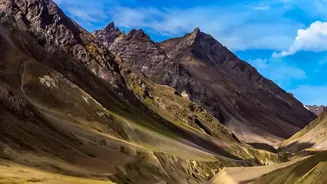
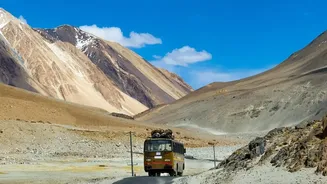
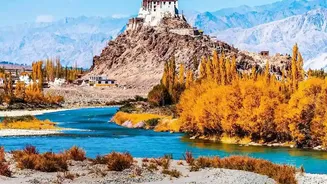
the world's highest regenerative art biennale, unfolds at altitudes over 3,000 metres. Instead of a single venue, the exhibition is dispersed across eight distinct locations along the historic Leh-Kargil corridor, including Old Leh Town, Basgo, Likir, and Lamayuru. This unique format encourages visitors to journey through the region, making the travel between artworks as much a part of the experience as the installations themselves. Running from August 1 to 10, 2026, it transforms villages, monasteries, and heritage sites into living exhibition spaces.
Art That Breathes With the Land
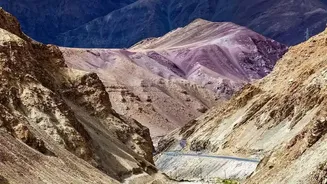
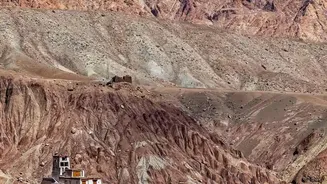
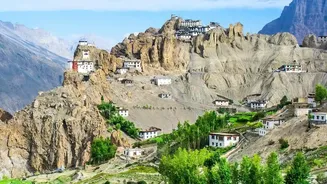
The theme for the 2026 edition, “Signals from Another Star,” brings together local and international artists to explore themes of ecology, memory, and community. The artworks are not just placed in the landscape; they are born from it. The biennale champions a “regenerative” approach, using locally sourced, biodegradable, and recycled materials. In Lamayuru’s iconic ‘Moonland’ terrain, Skarma Sonam Tashi’s flag installation reflects on disappearing snow. In Hunderman, Zahara Batool collaborates with local women artisans, using embroidery and textile traditions to create an installation that speaks of community memory and repair across the village's fragile architecture. These site-specific works are designed to interact with their surroundings, sparking a dialogue between art, nature, and culture rather than simply dominating the view.
More Than Just a Tourist Trail
At its heart, the sā Ladakh Biennale is a movement towards a more mindful and sustainable form of tourism. The name 'sā' itself is the Ladakhi word for ‘soil,’ grounding the initiative in ecological consciousness. Founded in 2023, the project has evolved from a single exhibition into a biennale focused on long-term engagement. By dispersing art across lesser-known villages and cultural sites, it encourages visitors to travel more slowly and engage more deeply with the region’s heritage and environmental challenges. There are no formal opening ceremonies or tickets; access is free, inviting people to wander and discover the art at their own pace. The initiative also supports local communities, collaborating with organisations like the Ladakh Arts and Media Organisation (LAMO) to create participatory cultural spaces.
Planning Your Artistic Pilgrimage
Experiencing this high-altitude art trail requires some planning. The eight sites—Old Leh Town, Basgo, Likir, Nurla, Lamayuru, Henasku, Mulbekh, and Hunderman—are spread along the 230-kilometre Leh-Kargil highway. While some locations are near Leh, others require dedicated travel. Visitors should acclimatise to the high altitude for a couple of days in Leh before venturing further. The journey itself is a core part of the biennale's philosophy, offering a chance to see parts of Ladakh that many tourists miss. Each of the eight sites hosts up to three distinct artworks, alongside film screenings and public programmes. This approach invites a slower, more immersive form of travel, where the destination is not a single point but the entire cultural and natural landscape of Ladakh itself.