



The Art of the Patient Pause
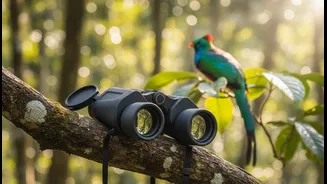
A typical holiday might be a whirlwind of sights and activities, a checklist of experiences to be ticked off. A birding holiday, however, operates on a different frequency. Here, success is not measured in speed but in stillness. The core activity is observation,
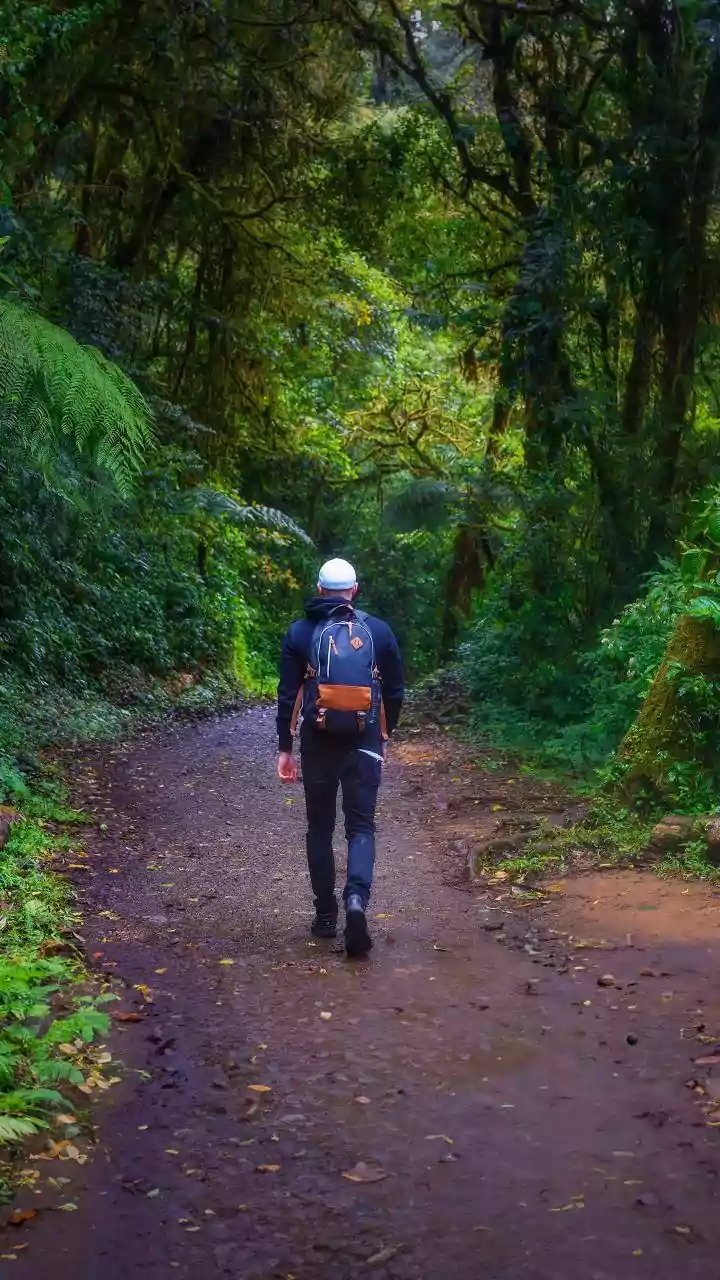
which requires long bouts of quiet waiting. This philosophy, often called 'slow birding', reframes patience from a chore into a skill. It’s about more than just hoping a rare bird will appear; it's an active engagement with the present moment. Instead of trying to empty your mind, you fill it with the subtle details of the environment: the shifting light, the rustle of leaves, the distant calls. This meditative practice can reduce stress and enhance self-awareness, turning the wait into a form of mindfulness.
More Than Just a Sighting
During these quiet periods, something remarkable happens. Your senses, no longer rushing to the next stimulus, begin to sharpen. You start to notice the intricate patterns on a butterfly’s wing, the way the wind moves through a specific type of grass, and the complex orchestra of insect sounds. A guided tour enhances this, as experts can point out not just the birds, but the interconnectedness of their habitat. They can identify species by faint calls, anticipate movement patterns, and share details about behaviour that bring the entire ecosystem to life. The wait becomes a lesson in ecology. You're not just waiting for one performer to arrive on stage; you're appreciating the entire production of the forest, wetland, or grassland.
India’s Havens for Patient Birders
India, with its astonishing biodiversity of over 1,300 bird species, is a paradise for this kind of immersive travel. In the Himalayan foothills of Uttarakhand, destinations like Sattal and Pangot offer dense forests of oak and rhododendron where you can wait for spectacular species like the Himalayan Griffon or a Mrs. Gould's Sunbird. Down in the wetlands of Rajasthan’s Keoladeo National Park, a UNESCO World Heritage Site, you can travel by cycle-rickshaw and spend hours observing painted storks and migratory geese. In Kerala, a houseboat on Vembanad Lake in Kumarakom Bird Sanctuary provides a floating platform for spotting kingfishers and egrets, while the forests of Thattekad are home to endemic treasures like the Malabar grey hornbill. Each location offers a unique soundscape and rhythm, rewarding those willing to sit, listen, and simply be present.
The Joy of Earned Anticipation
This practice of waiting cultivates a deep sense of anticipation. When the bird you’ve been waiting for—perhaps an Oriental Dwarf Kingfisher in Karnala or a Great Indian Bustard in Desert National Park—finally makes its appearance, the moment is electric. The thrill is amplified by the patience invested. It is a stark contrast to the instant gratification that defines so much of modern life. This ‘earned’ sighting becomes more than a fleeting glimpse; it becomes a memory etched with the sounds, smells, and feeling of the place. It’s a powerful reminder that some of life's most rewarding moments can't be rushed. The quiet dedication makes the eventual flutter of wings or flash of colour profoundly more meaningful.
A Skill for Modern Life
Ultimately, the patience learned on a birding holiday is a portable skill. It’s an antidote to the constant churn of digital alerts and deadlines. Engaging in a hobby that requires focus, sensory engagement, and relaxation can help support cognitive function and reduce stress. By learning to be still and observant in nature, you cultivate a capacity for focus and calm that can be carried back into daily life. It teaches you to find joy in the small details, to be comfortable with quiet, and to appreciate the value of a slow, deliberate approach. Birdwatching is more than a hobby; it’s a way of seeing the world, one patient observation at a time.