




The Golden Rule: Prioritise Drainage
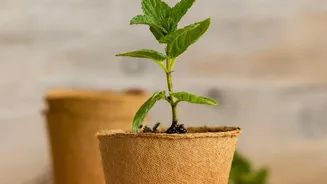
The single biggest threat to your balcony herbs during the monsoon is waterlogged soil. When roots sit in soggy soil, they can't access oxygen, leading to root rot. Your first line of defence is ensuring excellent drainage. Use pots with multiple drainage holes.
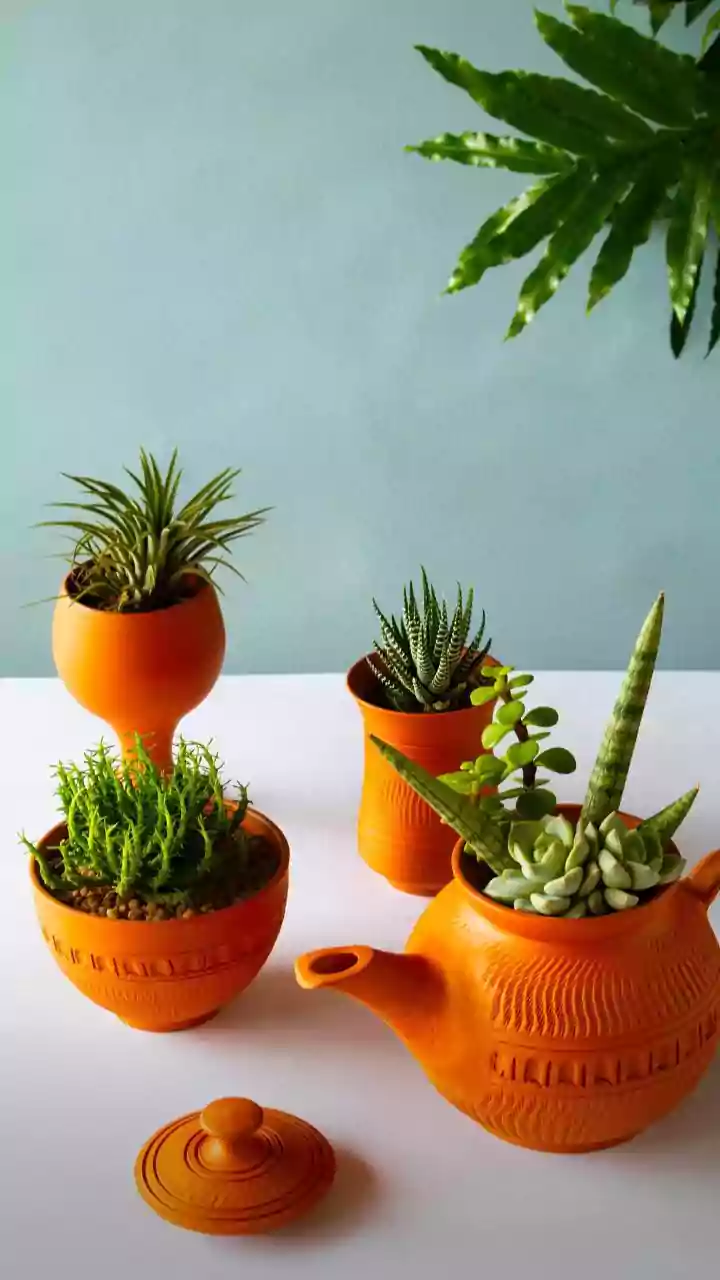
Terracotta pots are a good choice as their porous nature helps absorb excess moisture. A light, well-draining soil mix is non-negotiable. Avoid heavy garden soil that compacts and holds water. Instead, use a mix of potting soil, compost, and coco peat, with perlite or coarse sand added to improve aeration. It's also wise to elevate your pots on stands or bricks to ensure water can escape freely and doesn't pool at the bottom.
Special Care for Basil (Tulsi)
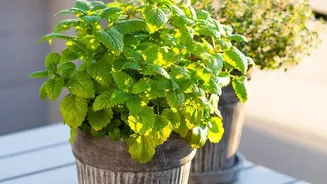
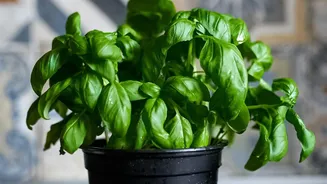
Basil is particularly sensitive to overwatering and fungal diseases, which are common in high humidity. The key is to water it only when the top inch of soil feels dry to the touch. During periods of continuous rain, you may not need to water it at all. Position your basil pot where it gets the maximum possible sunlight, but is sheltered from direct, heavy downpours which can damage its delicate leaves. If you see any black spots on the leaves, a sign of a fungal or bacterial issue, pinch them off immediately to prevent it from spreading. Regular harvesting also encourages the plant to become bushier and healthier.
Mastering Monsoon Mint (Pudina)
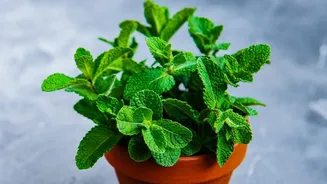
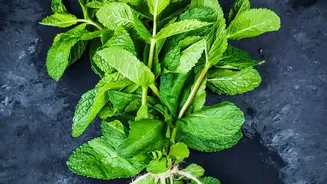
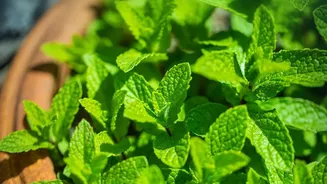
Mint is famously robust and loves moisture, but even this hardy herb has its limits in the monsoon. Like basil, it suffers in waterlogged soil, which can cause its roots to rot even while the top looks healthy. Because it grows so aggressively, mint is always best kept in its own pot to prevent it from taking over and to manage moisture levels effectively. Good airflow is crucial to prevent fungal issues like powdery mildew. Prune your mint regularly, not just for your kitchen but to improve circulation around the stems. This also prevents the plant from becoming leggy and weak. If it starts to look pale or the growth slows, it might be time to divide the root ball and repot with fresh soil.
Lemongrass Love in the Rains
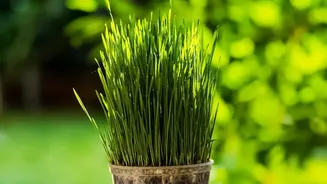
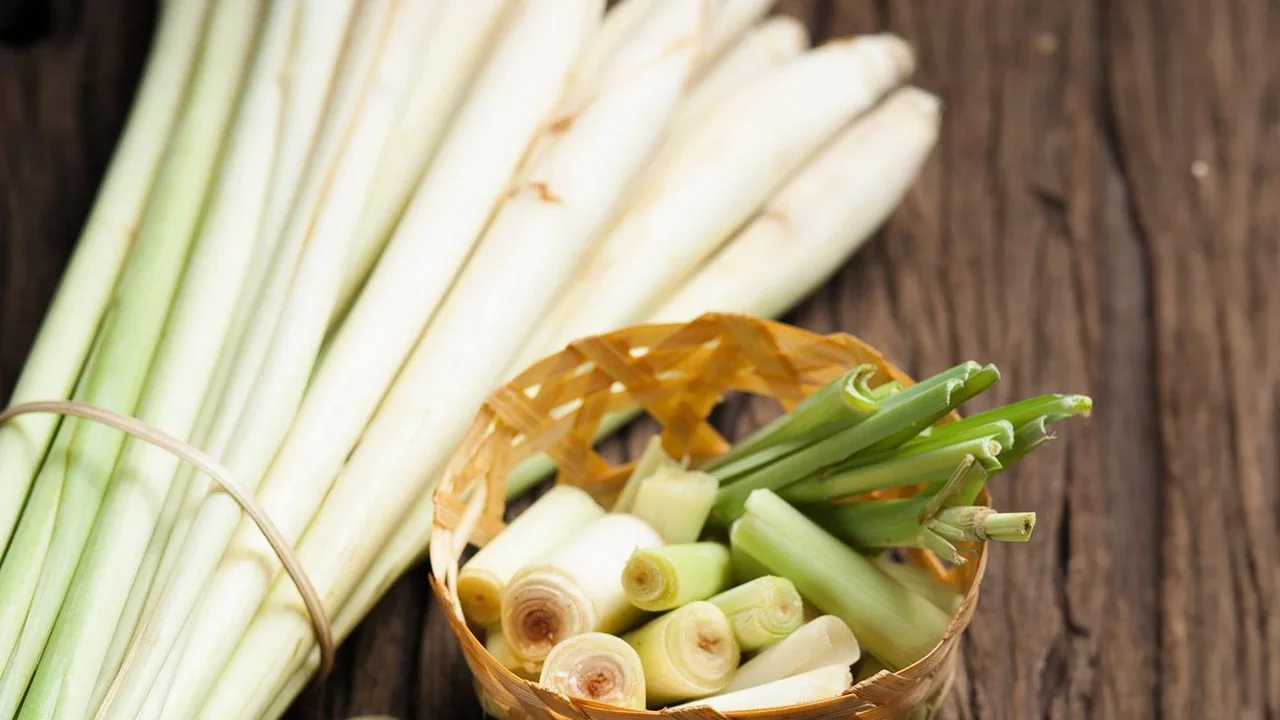
Lemongrass is a tropical grass that generally enjoys the rainy season. It appreciates consistent moisture but, like the others, despises sitting in stagnant water. For balcony gardeners, this means using a large, deep pot (at least 12 inches) to accommodate its root system and ensure stability. The pot must have excellent drainage. While it can tolerate heavy rain, ensure the soil is a well-draining mix. You won't need to water it much manually during the monsoon unless it's in a covered spot. Lemongrass is also a heavy feeder, so using a soil mix rich in compost will keep it happy. Its sharp leaves can also act as a natural mosquito repellent, a welcome bonus during the wet season.
Monsoon Watering and Pest Patrol
The number one mistake gardeners make during the rains is watering on a summer schedule. Always check the soil before watering; if it’s damp two inches down, don’t add more water. The increased humidity also invites pests like snails, slugs, and mealybugs. Regularly inspect your plants, especially the undersides of leaves. A simple spray of neem oil solution can work as an effective organic repellent. Also, be sure to remove any fallen leaves or debris from the pots, as this can harbour fungi and pests. Avoid fertilising during this time, as waterlogged roots can't absorb nutrients effectively and the fertiliser can cause more harm than good.