


The quest for perfect rice—fluffy, fragrant, with every grain distinct—can feel elusive. Too often, the result is a sticky, gummy clump. But achieving that ideal restaurant-quality texture at home isn't about luck; it's about technique.
Start With the Right Grain
The first step
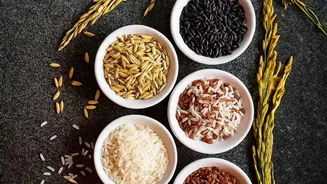
to fluffy rice is choosing the right variety. Different types of rice have different starch contents, which determines their final texture. For grains that cook up separate and light, long-grain varieties are your best bet. Basmati and jasmine rice are excellent choices, known for their aromatic qualities and their ability to remain distinct after cooking. Short-grain rice, like Arborio or sushi rice, has a higher starch content, making it naturally sticky and better suited for dishes like risotto or sushi where clumping is desired.
The Non-Negotiable Rinse
One of the most common mistakes in cooking rice is skipping the rinse. During milling and transportation, rice grains rub together, creating a fine powder of excess starch on their surface. If not washed away, this starch turns into a gluey paste during cooking, causing the grains to clump together. To prevent this, place your rice in a fine-mesh sieve and rinse it under cold water. Swirl the grains with your fingers and continue until the water, which will be cloudy at first, runs mostly clear. This simple step is crucial for achieving a clean texture.
Master the Water-to-Rice Ratio
Getting the water-to-rice ratio right is critical. Too much water leads to mushy rice, while too little results in undercooked, hard grains. A widely successful ratio for cooking long-grain white rice like basmati or jasmine on the stovetop is 1.5 cups of water for every 1 cup of rice. Some guides suggest a 1:2 ratio, but this can sometimes produce a softer, gummier result. If you rinse your rice, you may even want to reduce the water slightly to account for the moisture clinging to the grains. A heavy-bottomed pot with a tight-fitting lid will ensure even cooking and prevent steam from escaping.
The Cooking Process: Low and Slow
Once your rinsed rice and water are in the pot, you can add a pinch of salt and a small amount of butter or oil, which helps add flavor and further prevent sticking. Bring the water to a rolling boil, then immediately reduce the heat to its lowest setting. Cover the pot with a tight-fitting lid and let it simmer gently. The most important rule from this point on is to not lift the lid. Peeking releases steam, which is essential for the cooking process, and can lead to unevenly cooked rice. Let it simmer for about 15-18 minutes, or until all the water has been absorbed.
The Secret Step: Let It Rest
Perhaps the most overlooked yet vital step is resting the rice after it's cooked. Once the cooking time is up, turn off the heat but leave the pot covered on the stove for another 10 to 15 minutes. This allows the trapped steam to redistribute throughout the pot, ensuring every grain is perfectly and evenly cooked. This process lets the starches set and the grains to firm up, resulting in a fluffier texture and preventing the rice from being wet or clumpy. Some cooks even place a clean dish towel between the pot and the lid during this phase to absorb any excess moisture.
Fluff, Don't Stir
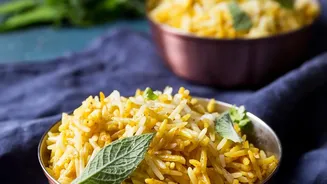
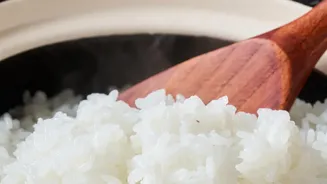
After the rice has rested, it's time for the final touch. Remove the lid and use a fork or a rice paddle to gently fluff the grains. The goal is to separate the grains without mashing or breaking them. Start from the edges of the pot and gently lift and toss the rice toward the center. Avoid stirring, which can release more starch and create a mushy texture. Proper fluffing will give your rice that light, airy quality that signals a perfectly cooked batch, ready to serve as the ideal foundation for countless meals.