
The Zero-Waste Flavour Boost
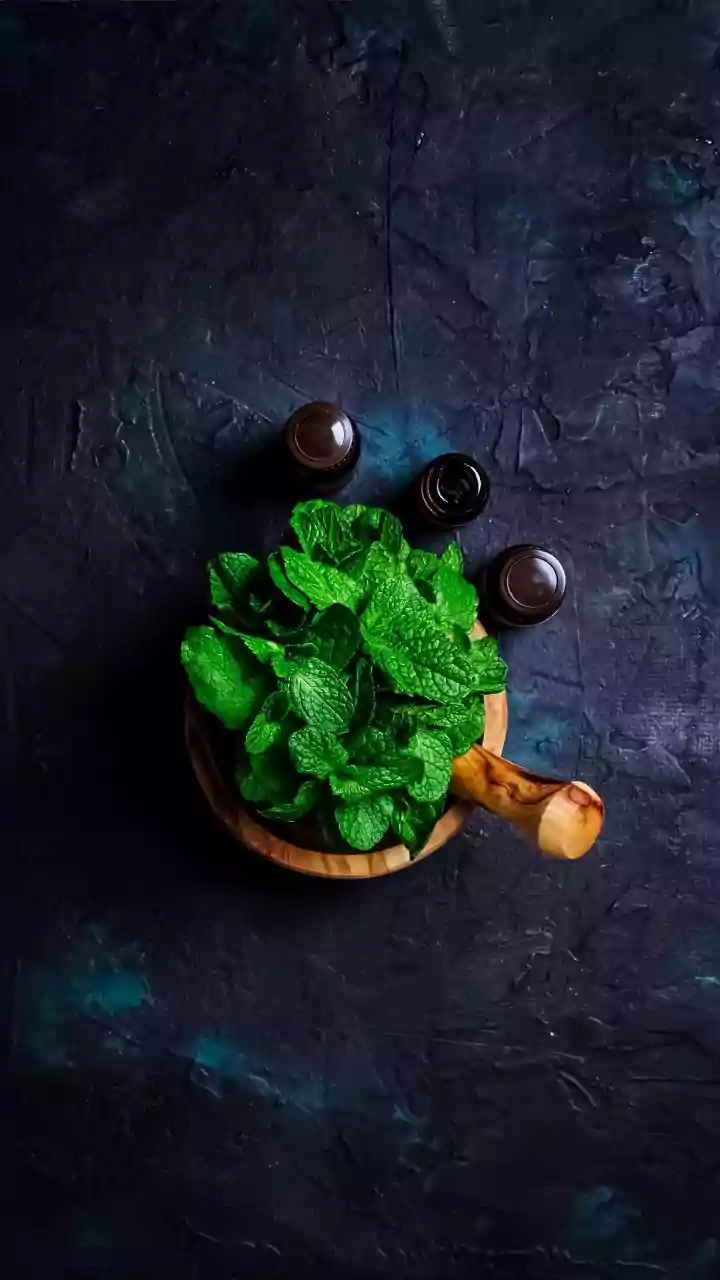
Every time you pluck the leaves from a bunch of fresh coriander or mint, you're left with a pile of stems. While many recipes call only for the delicate leaves, the stems are packed with the same aromatic compounds and essential oils. Throwing them away
is like tossing out flavour. This simple guide helps you capture that essence, reducing your kitchen waste and saving you money. Root-to-stem cooking is a sustainable practice that makes the most of every part of the plant, ensuring you get maximum value and taste from the produce you buy. By turning these stems into an infused oil, you create a versatile pantry staple that’s ready to add a burst of freshness to countless dishes.
Choosing Your Ingredients
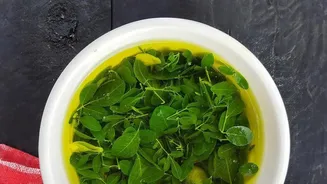
The beauty of this process lies in its simplicity. You only need two main ingredients: the leftover herb stems and a carrier oil. For coriander and mint, which have bright, fresh flavours, a neutral-flavoured oil like grapeseed, sunflower, or a light olive oil is an excellent choice. This allows the herb's character to shine through without being overpowered. Extra virgin olive oil can also be used, especially if you enjoy its peppery notes. Before you begin, wash the stems thoroughly and, most importantly, dry them completely. Water is the enemy of infused oils, as any moisture can encourage spoilage. A salad spinner or patting them dry with a clean kitchen towel works well.
A Step-by-Step Guide to Infusion
There are a few ways to infuse oil, but a gentle heating method is quick and effective for extracting flavour from stems. First, roughly chop the clean, dry mint and coriander stems. Place them in a small saucepan and pour in enough of your chosen oil to cover them completely. Heat the mixture over a very low flame. You want the oil to become warm and fragrant, but not hot enough to fry the stems—aim for a temperature around 65°C if you have a thermometer. Let the stems gently steep in the warm oil for about 15-20 minutes. You should see tiny bubbles as the last bits of moisture cook away. Once the oil is aromatic, turn off the heat and allow it to cool to room temperature with the stems still inside. Finally, strain the cooled oil through a fine-mesh sieve or cheesecloth into a clean, sterilised glass bottle. Do not press on the solids, as this can make the oil cloudy.
How to Use Your Homemade Oils
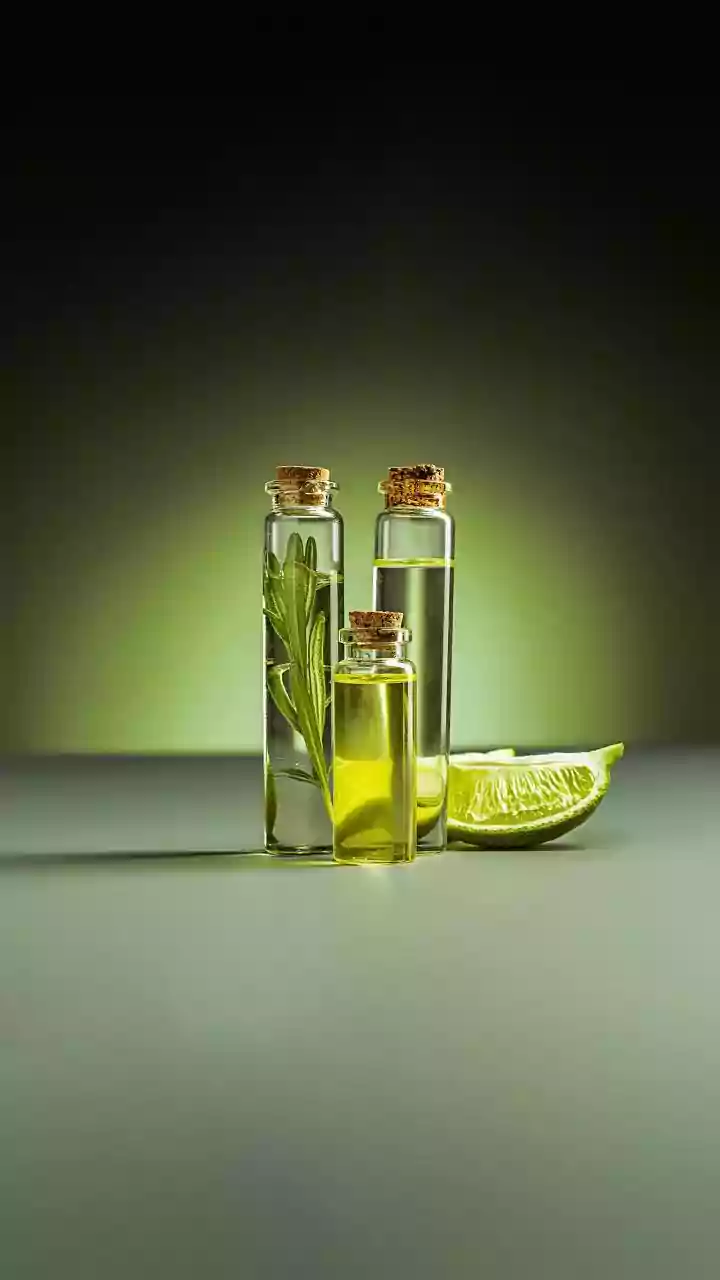
Your new coriander and mint oils are incredibly versatile finishing oils. The coriander oil, with its bright, citrusy notes, is perfect for drizzling over grilled fish, chicken, or roasted vegetables. Use it as a base for salad dressings or to add a final flourish to a bowl of dal or soup. The mint oil is wonderfully refreshing. Drizzle it over lamb chops, toss it with steamed peas and new potatoes, or use it to dress a simple cucumber and tomato salad. You can even use a few drops to brighten up a fruit salad or a yogurt dip. These oils are best used for flavouring at the end of cooking rather than for high-heat frying, which can diminish their delicate aromas.
Important: Storage and Safety
Because you are using fresh herbs, proper storage is critical to prevent the growth of harmful bacteria, including Clostridium botulinum, which can cause botulism. This bacterium thrives in the oxygen-free environment of oil, especially when moisture from fresh ingredients is present. For this reason, your homemade fresh herb-infused oil must be stored in the refrigerator in a sealed container and used within one to two weeks. Some sources even recommend using it within two to four days for maximum safety. Never store it at room temperature. To ensure safety, always start with sterilised bottles and utensils. If the oil appears cloudy, bubbly, or smells off, discard it immediately.